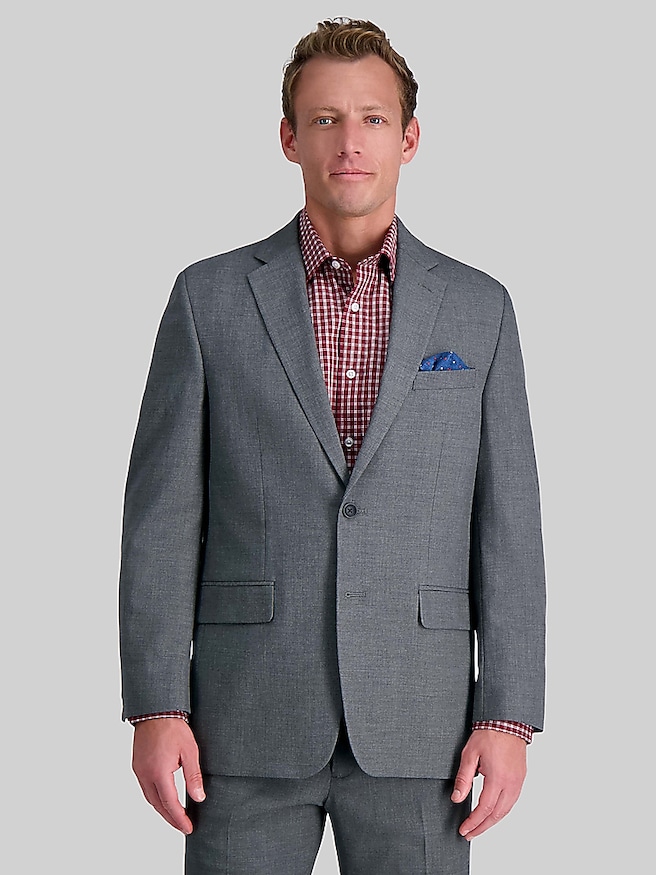
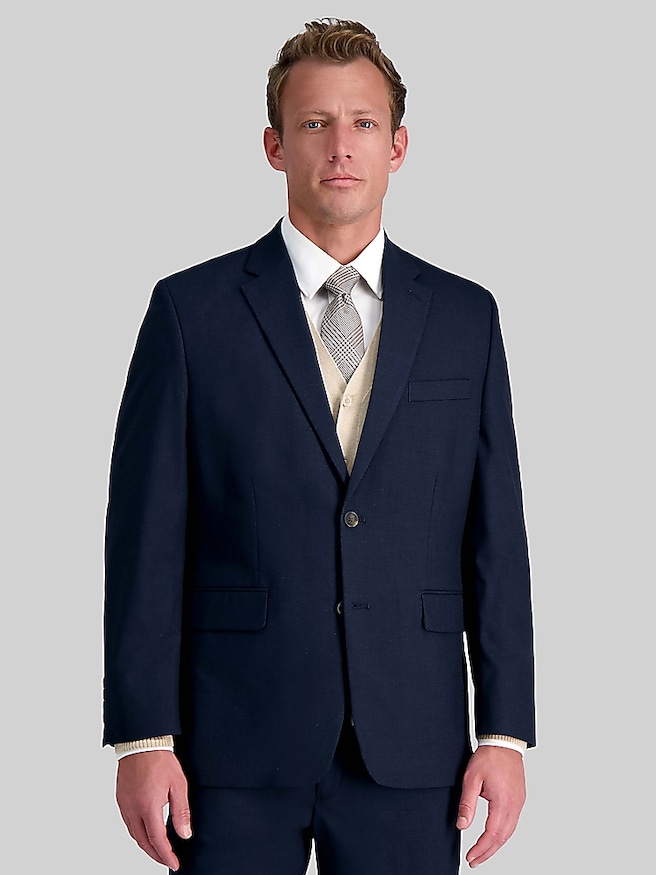
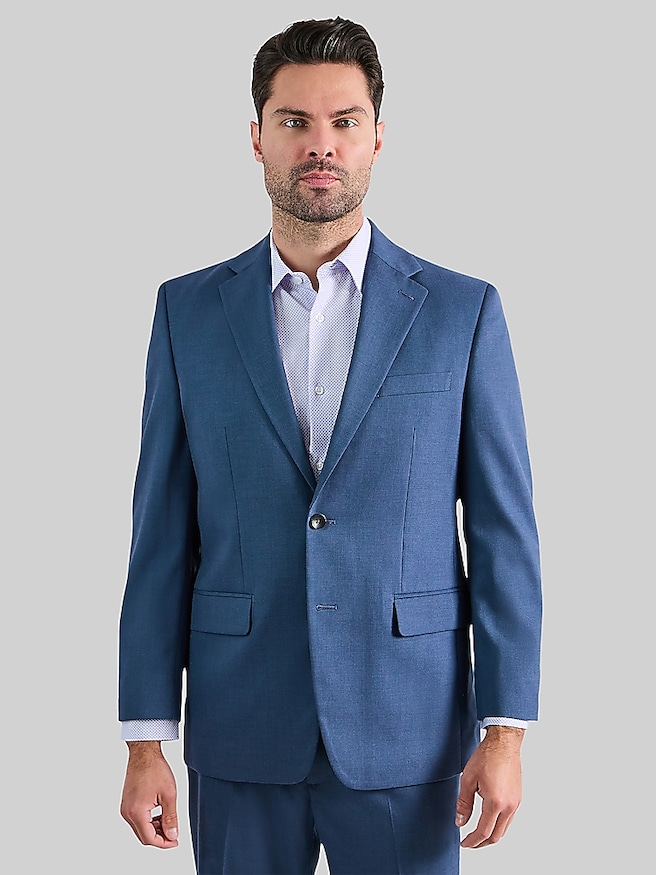
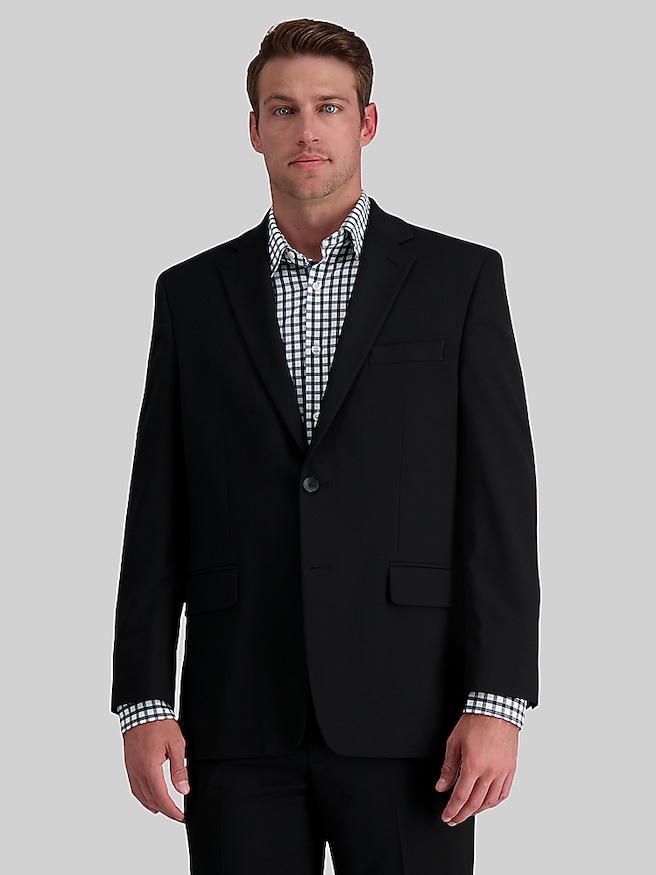
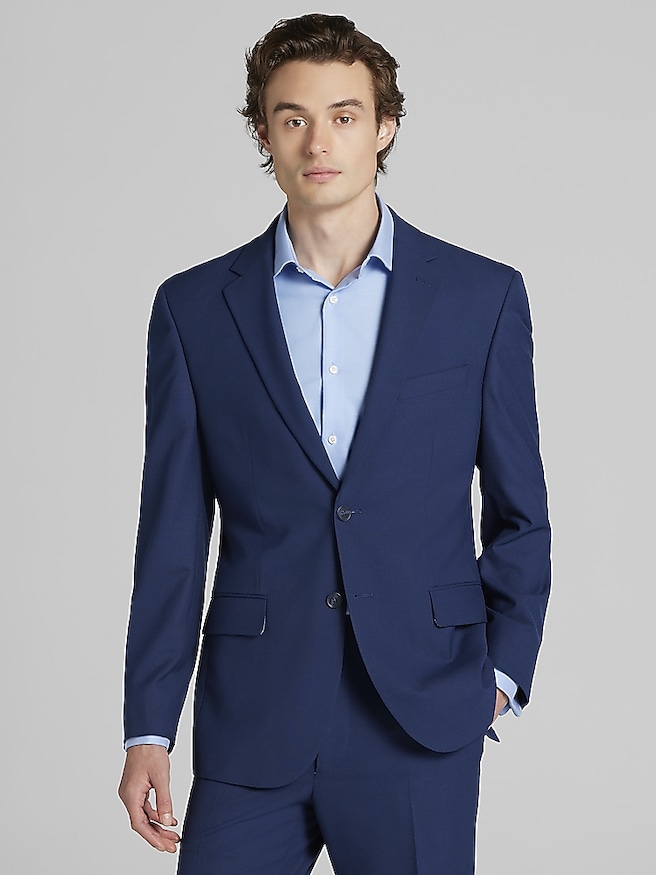
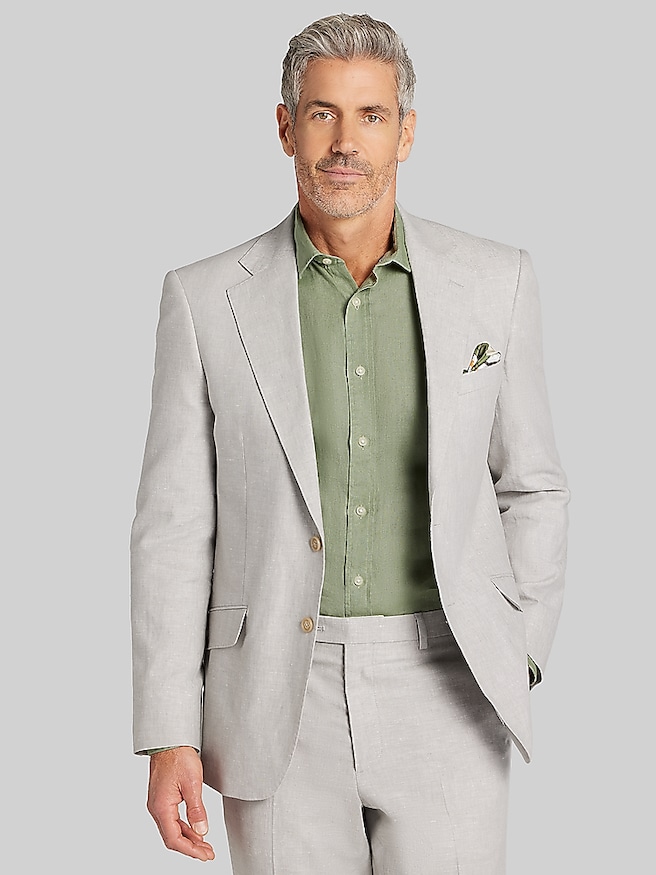
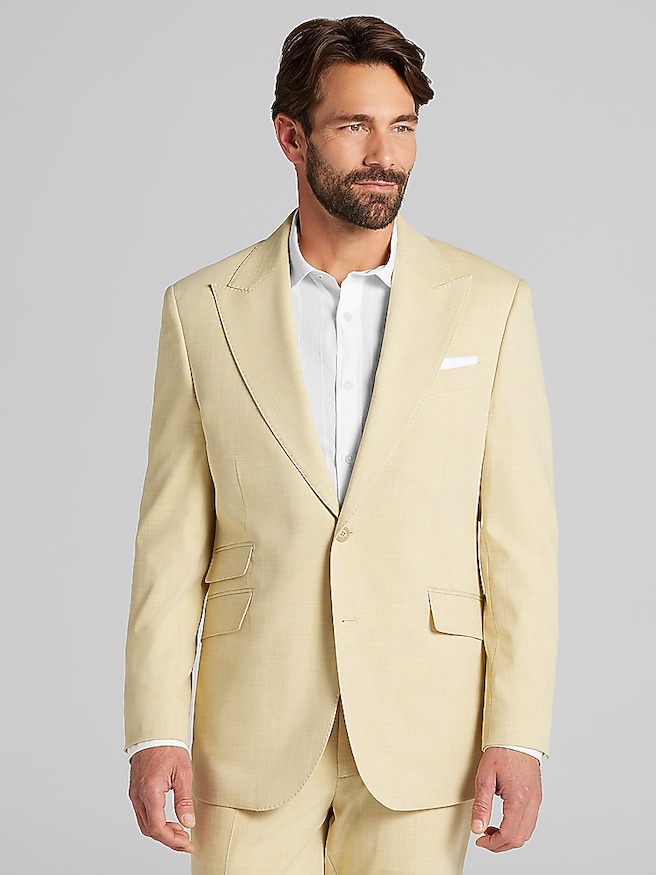
A well-chosen suit brings a sense of purpose to the way a man dresses, whether the occasion is a job interview, a wedding, a graduation, or an important presentation. The appeal lies in the complete silhouette: a jacket and matching trousers create a continuous line, while the shirt, shoes, and accessories establish the mood. Men's suits can look understated and businesslike, expressive and celebratory, or relaxed without losing their polish. Navy and charcoal are versatile foundations because they work with a broad range of shirt colors and leather accessories. Black has a sharper, more formal presence, while lighter neutrals and rich blue tones offer a distinct alternative for social occasions. Patterns add another layer of character. A subtle pinstripe emphasizes vertical lines, a small check brings texture from a distance, and a more visible plaid gives the fabric a stronger presence. Exploring Exclusive Suits offers another avenue for considering the relationship between fabric, silhouette, and finishing details. Material plays a substantial role in how a suit feels and performs over repeated wear. Wool is valued for its drape, resilience, and ability to recover from light creasing, though the weight and weave influence the finished garment. Worsted wool generally has a smooth surface that complements business dressing, while more textured weaves create depth without relying on a bold pattern. Wool blends can combine that familiar appearance with other performance characteristics, depending on their composition. Fabrics containing stretch fibers may provide additional give through everyday movements, such as reaching for a briefcase or sitting through a lengthy ceremony. Linen and cotton bring their own texture and structure, often with a less formal character; visible creasing is especially characteristic of linen. The lining, internal construction, and fabric all contribute to the finished feel, so fiber content alone does not tell the whole story. For someone wearing a suit several times a week, dependable shape and comfortable movement matter as much as the first impression in a mirror.
Fit determines whether those materials look composed on the body. A jacket should sit neatly across the shoulders, with the collar resting close to the shirt collar rather than pulling away or bunching beneath it. The front should close without pronounced strain, and the lapels should lie smoothly against the chest. Slim, tailored, and classic fit descriptions suggest different silhouettes, but their proportions vary, making the actual shape more important than the label. A trim cut can create a clean profile without clinging, while a fuller cut provides more room through the chest, seat, and thighs. Neither needs to look oversized or restrictive. Jacket length helps balance the upper and lower body, and sleeve length affects how neatly the jacket meets the shirt cuff. Trousers deserve equal attention: a waistband that stays comfortably in place, a smooth seat, and sufficient room through the thigh make a noticeable difference during a long day. The hem can finish with little or no break for a crisp line, or with a modest break for a more traditional appearance. A seated conversation, a walk across a lobby, and a few steps up a staircase reveal more about comfort than standing still. Alterations can refine sleeve length, trouser hems, and some areas of shaping, while major changes to the shoulders or overall jacket proportions are more involved. Beyond fit, design details establish the suit's personality. Notch lapels and a single-breasted front are familiar choices for business and many social occasions. Peak lapels create a more pronounced outline, and a double-breasted jacket brings a distinctive overlap and sense of structure. A matching vest adds another coordinated element and maintains a dressed appearance when the jacket comes off. A white shirt and restrained tie emphasize the suit's lines; a textured tie or softly patterned shirt introduces depth. For wedding guests, the invitation's dress code remains important, since a suit does not automatically fulfill a black-tie requirement. The strongest combinations allow the suit and its accompanying pieces to complement rather than compete with one another.
Long-term satisfaction comes from how a suit holds its shape, fits into daily routines, and responds to care. Durability depends on more than fabric thickness: weave, construction, fit, and frequency of wear all affect how the garment ages. Excessive tension at the seat, elbows, or button closure can place unnecessary stress on cloth and seams. Very fine fabrics may have an exceptionally soft hand, but softness alone is not a measure of resistance to abrasion. For frequent use, a balanced fabric with some resilience can be a practical choice, particularly for days that include commuting, desk work, and repeated sitting and standing. Rest between wears gives the garment time to air out and recover its shape. A broad, supportive hanger helps preserve the jacket's shoulders, while trousers benefit from careful hanging that avoids unnecessary folds. Emptying pockets before storage prevents keys, wallets, and other everyday objects from distorting the silhouette. A clothing brush appropriate for the fabric can remove surface dust, and small spills deserve prompt attention according to the care label rather than vigorous rubbing. Professional cleaning should follow the garment's care instructions and actual needs; unnecessary cleaning can subject the fabric and finishing to additional wear. When cleaning is required, treating matching pieces together can help maintain a consistent appearance over time. Pressing and steaming also require care, since excessive heat or pressure can leave shine or affect construction. A breathable garment bag helps protect a suit during storage without tightly compressing it. These habits are especially worthwhile for clothing associated with meaningful milestones. A suit may accompany a graduate into a first professional role, help someone feel composed at a formal celebration, or become a dependable part of an established work wardrobe. As a gift, it is most successful when the recipient's measurements, preferred fit, and usual occasions are understood, with room for personal input and finishing alterations. Whether worn often or reserved for significant events, a thoughtfully selected suit earns its place through proportion, comfort, and the quiet confidence of clothing that feels appropriate to the moment.