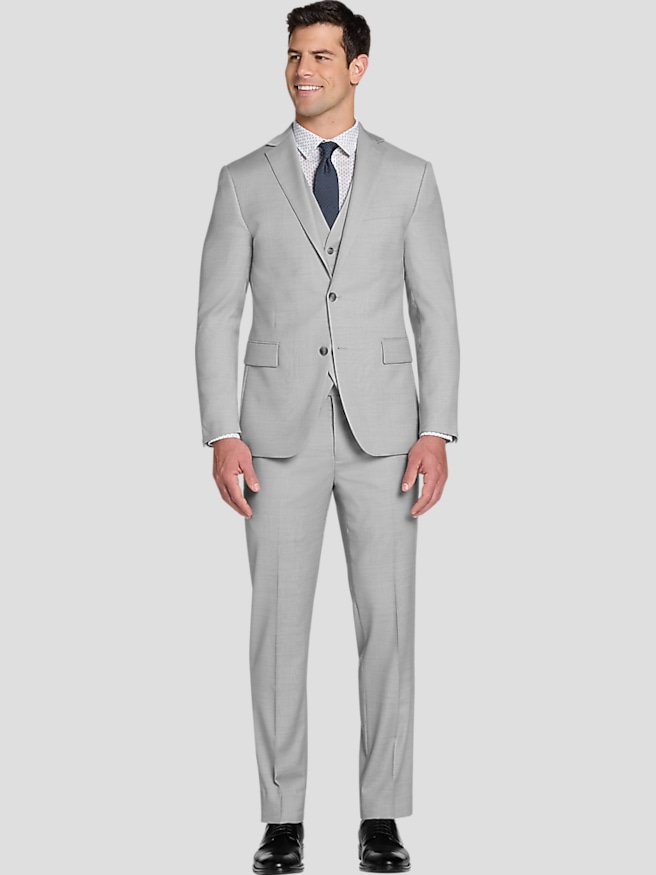
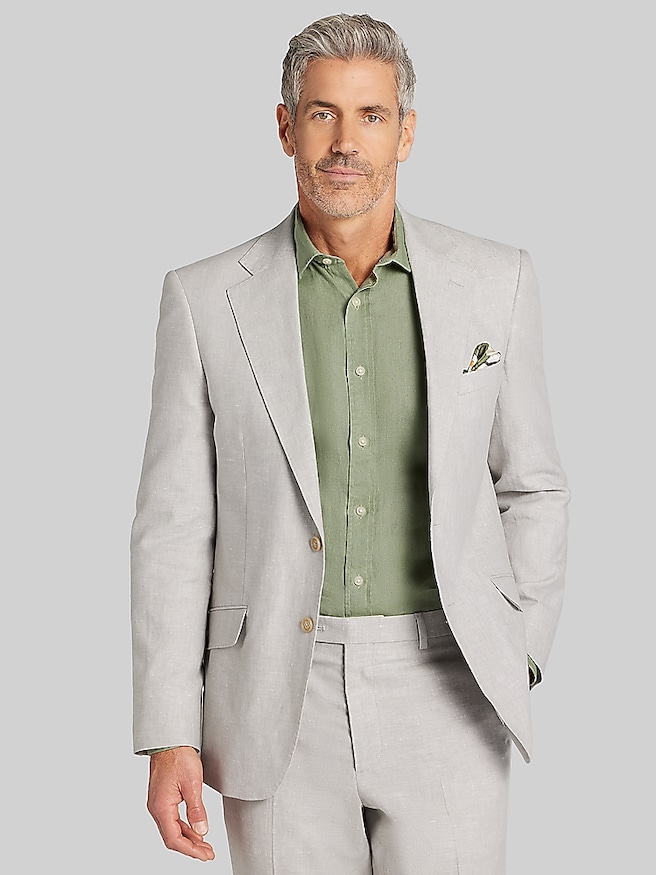
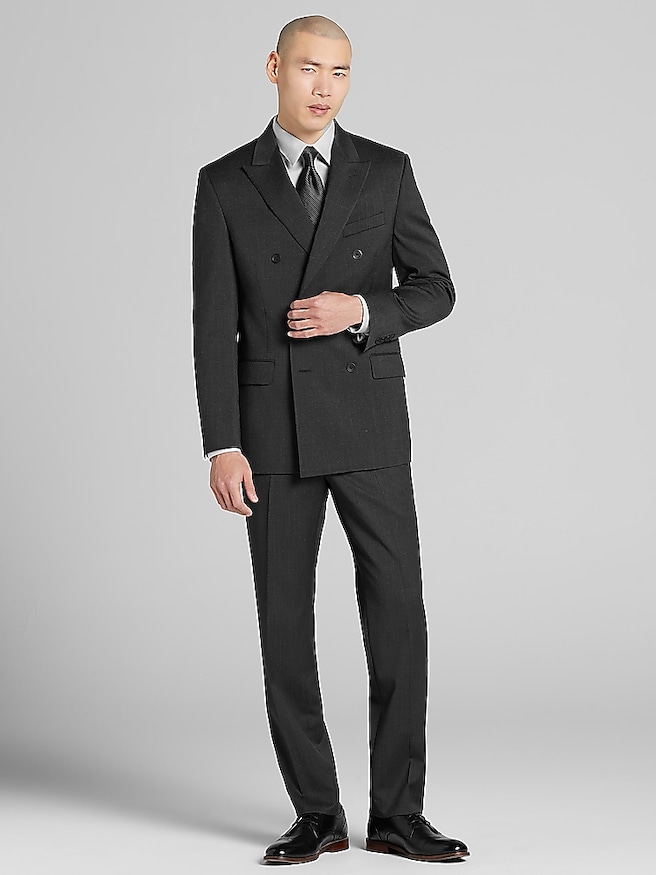
Men’s suits online cover a wide range of dress needs, from a first job interview to a wedding ceremony, an important presentation, or a formal dinner. A suit generally pairs a jacket with matching trousers, while a three-piece version adds a vest for another layer of polish. The most useful choice depends on the occasion, the preferred silhouette, and how often the suit will be worn. Navy and charcoal offer a versatile foundation for professional settings and celebrations alike, pairing naturally with white or light blue shirts and a broad range of ties. Medium gray brings a slightly lighter visual effect, while black has a sharper, more ceremonial character. Subtle pinstripes, checks, and woven textures introduce personality without necessarily changing the overall level of formality. Fabric also shapes how a suit looks and feels throughout the day. Wool is valued for its breathability, natural resilience, and ability to drape smoothly, making it a practical consideration for repeated wear. Wool blends can combine those qualities with added stretch or other performance characteristics, though the actual feel depends on the fiber mix and weave. Cotton has a more relaxed appearance, and linen has a distinctive texture with creasing that is part of its character. A smooth worsted fabric typically creates a cleaner, more traditional business look than a visibly textured weave. Inside the jacket, lining and construction influence movement and structure: a more structured shoulder creates a defined outline, while softer construction follows the body with less emphasis. The Suits Merchandise collection provides another way to explore this category, where fabric, silhouette, and finishing details work together. For someone who wears a suit several days a week, versatility and comfort carry particular weight. For someone dressing for a milestone celebration, the suit’s relationship to the dress code, photographs, and planned accessories may matter more. In either case, a balanced appearance starts with fabric and construction suited to the way the outfit will be used.
Fit gives those fabric and construction choices their final shape. A slim silhouette generally sits closer through the chest, waist, and legs; a classic silhouette usually allows more room; and a modern silhouette often falls between the two. These terms are not standardized, so measurements and fit descriptions are more informative than the label alone when comparing suits online. Jacket size is commonly connected to chest measurement, with short, regular, and long lengths addressing proportions rather than simply changing overall width. Shoulder alignment is especially important: the jacket should follow the natural shoulder without hanging noticeably beyond it or pulling tightly across the upper back. The collar should rest near the shirt collar, and the lapels should lie smoothly against the chest rather than bowing outward. With the jacket buttoned, the front should look composed, without pronounced pulling around the closure. A small amount of shirt cuff showing beneath the sleeve can give the outfit a deliberate finish, but balance matters more than an exact fraction of an inch. Trousers need their own attention, including waist, seat, thigh, rise, and inseam. A comfortable waistband stays in place without relying on an overtightened belt, while sufficient room through the seat and thighs makes sitting, walking, and climbing stairs easier. Trouser length changes the outline of the whole suit: little or no break creates a cleaner ankle line, while a slight break produces a more traditional finish over the shoe. Someone who spends a workday seated may appreciate more ease through the hips than someone choosing primarily for standing portraits. Stretch can help with movement, but it does not replace adequate room. Tailoring can refine sleeve length, trouser hems, and some areas of fullness, although changes depend on construction and available seam allowance. Substantial shoulder adjustments are more involved, which makes the jacket’s basic proportions worth considering before smaller finishing details. A well-fitting suit should remain comfortable through an introduction, a seated meal, and the walk between them.
The details around a suit determine how readily it moves between occasions. A solid shirt and restrained tie keep attention on the wearer in an interview or presentation, while a textured tie or carefully chosen pocket square adds distinction for a celebration. Accessories do not need to match exactly; a shared color or complementary tone usually creates a more natural result. Leather footwear should reflect the formality of the setting, with clean lines and a maintained finish supporting the suit rather than competing with it. For travel or a long event, fabric recovery, comfortable trouser proportions, and a jacket that allows easy movement can be more useful than an especially close fit. Durability also depends on what happens between wears. Consistently wearing the same trousers without allowing them to rest can produce concentrated wear at the seat, knees, and pockets, even when the jacket still looks fresh. Rotating suits when possible, emptying pockets, and hanging garments promptly help preserve their shape. A broad, shaped jacket hanger supports the shoulders, while trousers benefit from being hung neatly along their crease or from a suitable trouser hanger. Light surface dust can often be removed with a garment brush appropriate for the fabric. Stains need attention according to the care label, and rubbing aggressively can damage fibers or leave a visible mark. Dry cleaning should follow the garment’s instructions and actual cleaning needs rather than becoming an automatic step after every outing. Pressing and steaming also require care: excessive heat or direct pressure can leave shine, flatten texture, or affect internal construction. Breathable storage and enough closet space to prevent crushing help maintain the drape that gives a suit its character. For graduates, professionals, wedding guests, and anyone building a dependable dress wardrobe, a suit earns its place through repeated, comfortable use. Thoughtful fabric choices, sound proportions, and consistent care make that polished appearance easier to maintain whenever the next occasion calls for it.