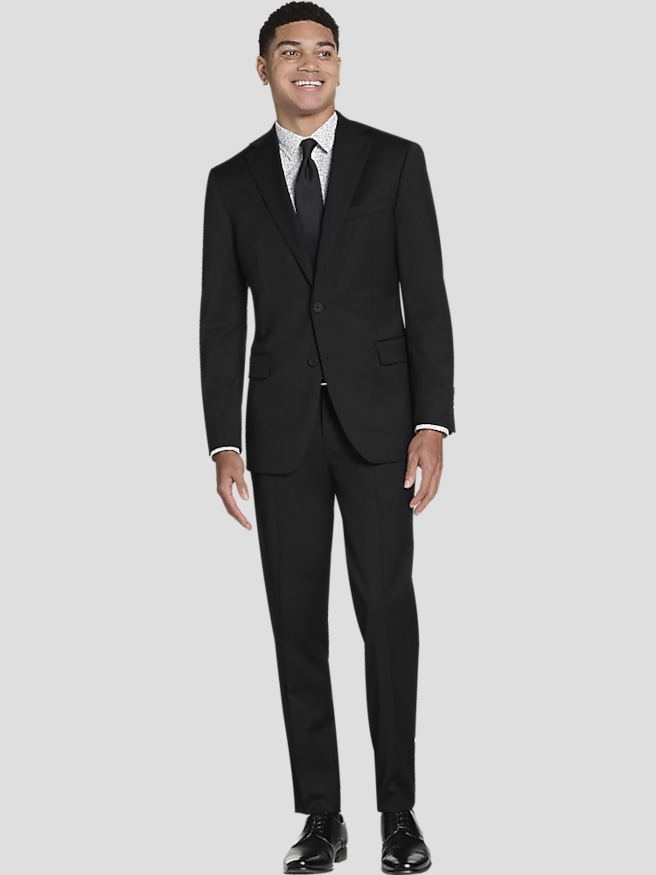
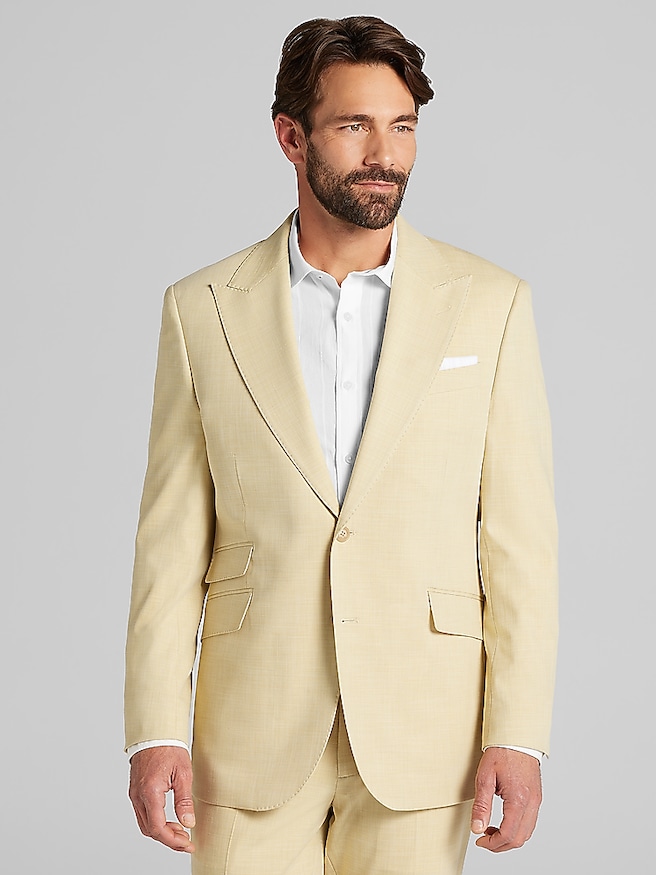
Exclusive suits bring a distinctive point of view to tailored dressing through fabric, proportion, texture, and finishing details. The term describes an emphasis on individuality and refinement rather than a single construction method or fabric standard; it does not, by itself, mean a suit is bespoke or made to personal measurements. What gives a suit its character is often more subtle than an unexpected color: a softly textured weave, a lapel that frames the chest cleanly, or a jacket that moves comfortably without losing its shape. For business presentations, wedding celebrations, milestone dinners, and evenings that call for polished attire, those details help a suit feel considered rather than simply formal. Navy and charcoal provide a versatile foundation, with enough depth to complement a crisp white shirt, a pale blue shirt, or a restrained patterned tie. Deep brown, muted green, and rich blue can introduce personality while remaining easy to style for many occasions. Fine stripes, windowpane checks, and tonal patterns add another layer of distinction, especially when the shirt and accessories allow the fabric to remain the focus. A single-breasted jacket offers a familiar, adaptable silhouette, while a double-breasted design creates a more structured impression through its overlapping front and broader visual line. Notch lapels tend to feel understated; peak lapels give the upper body a sharper frame. Shoppers exploring a defined designer aesthetic can also consider Boss Suits as part of a broader search for tailored clothing that reflects personal taste. The most useful definition of an exclusive suit remains grounded in the wearer: distinctive enough to feel intentional, comfortable enough to wear throughout an event, and appropriate for the setting. A suit for a client meeting may call for quiet texture and conservative proportions, while one chosen for a wedding reception can support a stronger pattern or a more expressive combination of shirt, tie, and pocket square.
Fabric has a direct effect on how a suit looks under indoor lighting, how it drapes across the body, and how comfortable it feels after several hours of wear. Wool is a traditional suiting fiber because it combines breathability, resilience, and the ability to hold a tailored shape. Smooth worsted wool creates a clean surface suited to business settings and dressier occasions, while wool flannel has a softer, brushed appearance that feels especially natural during the cooler months. Fabric weight matters as much as fiber content: a lighter cloth may feel comfortable in a crowded reception room, while a more substantial weave can provide reassuring structure on a cool walk between venues. Linen brings visible texture and an easy drape, though its tendency to crease makes it better suited to occasions that welcome a relaxed finish. Cotton often looks more matte and casual, and blends can balance qualities such as softness, shape retention, and ease of movement. A touch of stretch may help with sitting, reaching, or dancing, but it should complement a sound fit rather than compensate for clothing that is too tight. Silk or cashmere in a blend can change the feel and surface of a fabric, although fiber names alone do not establish overall quality or durability. Finer cloth may feel exceptionally soft while requiring more thoughtful handling. Construction also shapes the experience of wearing a suit. Internal canvas, where used, supports the jacket front and helps establish its contour; lining can make the jacket easier to slip over a shirt and influence how it feels against the body. Clean seams, securely attached buttons, and pockets that lie flat contribute to a finished appearance. For frequent use, a resilient fabric and balanced construction often matter more than exceptional delicacy. For occasional celebrations, a distinctive texture may be the detail that makes the entire outfit memorable, particularly when it catches the light without appearing overly glossy.
Fit is where these material and design choices become personal. A well-proportioned suit jacket should rest neatly across the shoulders, with its collar close to the shirt collar and its lapels lying smoothly against the chest. When buttoned in a normal standing posture, the front should not pull into pronounced creases or feel restrictive through the torso. Slim silhouettes create a closer line, while more relaxed cuts provide additional room through the chest, seat, and thighs; neither approach is inherently more refined. The right choice allows the wearer to sit through a ceremony, reach across a conference table, or climb stairs without constantly adjusting the jacket or waistband. Jacket length, sleeve length, and trouser shape should work together, with a little shirt cuff visible and a trouser hem that falls cleanly over the intended shoes. A slight break offers a traditional finish, while little or no break gives a sharper view of the footwear. Alterations can refine many of these details, but the shoulders and overall jacket proportions deserve particular attention from the start. Styling then becomes a matter of balance: polished leather shoes, a belt when the trouser design calls for one, and accessories with complementary rather than identical patterns. A fine-gauge knit can soften the formality where the dress code permits, while a dress shirt and tie remain reliable for more traditional settings. For a graduate entering a professional role or someone marking a career milestone, a suit can also be a meaningful gift when measurements, preferences, and time for fitting are part of the choice. Lasting enjoyment depends on care as well as fit. Following the garment label, using a broad-shouldered hanger, brushing away surface dust, and allowing the suit to air between wears help preserve its appearance. Professional cleaning when needed, rather than automatically after every wear, can limit unnecessary treatment. Trousers hung neatly and a breathable garment bag for storage help keep the complete outfit ready for its next occasion.