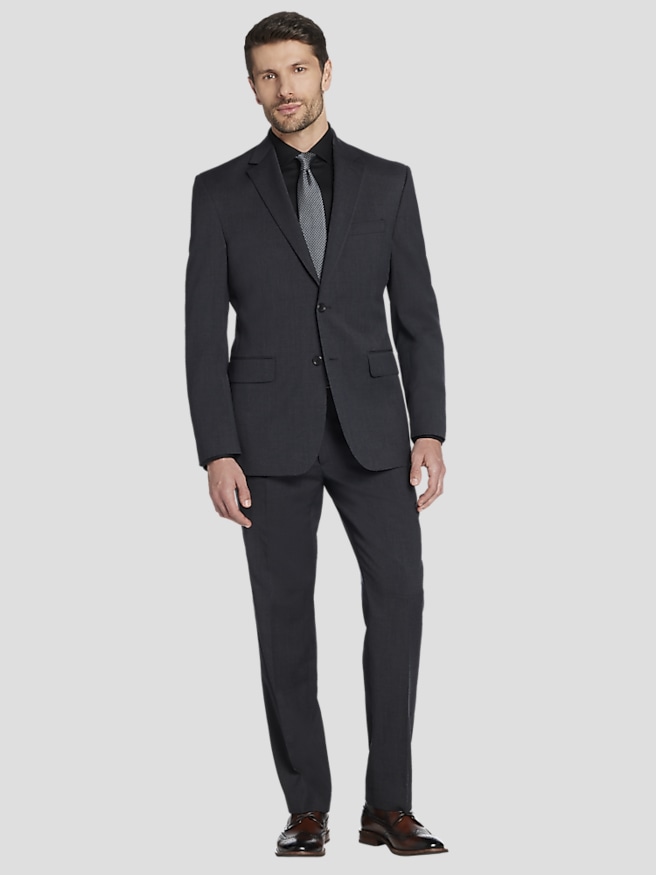
A well-tailored suit brings definition to a professional wardrobe: a clean shoulder line, a jacket that follows the torso without pulling, and trousers that fall neatly over polished shoes. That combination works for a first presentation to senior leadership, a client dinner, or an occasion that calls for more presence than everyday office clothing. The strongest impression usually comes from proportion and fabric rather than conspicuous details. Wool is a traditional foundation for suiting because it drapes naturally, breathes, and offers resilience against everyday creasing. The weight, weave, and finish matter as much as the fiber itself. A tightly woven cloth can create a crisp, structured appearance, while a softer finish may give the same silhouette a more relaxed character. Wool blends can introduce additional stretch, texture, or durability, depending on their composition. Stretch fabrics may offer welcome ease when sitting through meetings or moving between appointments, but they should complement a good fit rather than compensate for a jacket or waistband that is too tight. Lining also affects how a suit feels in motion, helping the jacket slide over a shirt and supporting a smooth interior finish. Construction contributes to the shape: canvas through the chest helps support the jacket’s contours, while other construction methods create structure in different ways. No single detail tells the whole story; cloth, internal structure, stitching, and fit work together. Navy and charcoal establish an understated foundation, with subtle texture or a restrained pattern adding interest without dominating the outfit. A fine stripe has a more pronounced business character, while a quiet check introduces visual depth. Solid fabrics leave more room for patterned shirts and ties. These distinctions make tailored suits useful beyond a single dress code, with enough range to feel appropriate at a boardroom table, a networking reception, or a formal family gathering.
Fit determines whether those details look intentional. The jacket’s shoulders should sit close to the natural shoulder line, without pronounced overhang or indentations beneath the sleeve head. Through the chest and waist, a comfortable silhouette leaves room to breathe and sit while keeping the front smooth when buttoned. Pulling around the fastening point, lapels that bow away from the chest, or a collar that stands away from the shirt can interrupt an otherwise sharp appearance. A slimmer cut creates a closer outline through the torso and leg; a more generous cut offers additional ease without needing to look oversized. Neither approach replaces the importance of balanced proportions. Jacket length, sleeve length, and trouser rise all influence how the suit sits on the body. A small amount of visible shirt cuff creates a deliberate finish, while trouser hems can meet the shoes with a slight break or a cleaner, shorter line according to preference. Sitting at a desk, reaching forward for a handshake, and walking across a room reveal more about comfort than standing still in front of a mirror. Alterations can refine sleeve and trouser lengths or adjust certain areas of fullness, although shoulders and overall jacket balance deserve particular attention from the outset. For business settings, a crisp shirt, restrained tie, and leather lace-up shoes keep the focus on the tailoring. A textured tie or pocket square can add personality without making the outfit feel busy. For a wedding or celebratory dinner, changes in shirt color and accessories can give the same suit a more festive expression, provided the invitation’s dress code allows it. An open collar creates a less formal effect for offices and events where a tie is optional. The goal is a coherent outfit: each element should support the suit’s level of formality rather than compete with it.
Lasting appeal depends on how a suit holds its shape through repeated wear, not simply how it looks on the first outing. Smooth lapel edges, secure buttons, tidy seams, and a lining that allows comfortable movement are useful details to consider. Fabric should feel suited to its intended routine, whether that means occasional celebrations or frequent professional use. A very fine, delicate cloth may offer an especially soft hand, but softness alone does not establish durability. Weave, fabric weight, construction, and care all play a role. Giving a suit time between wears helps the cloth recover, while a broad, shaped hanger supports the jacket’s shoulders. Trousers benefit from careful hanging that preserves their line rather than leaving them crumpled over a chair. Emptying pockets before storage reduces unnecessary strain and helps prevent bulges from becoming part of the silhouette. Light brushing can remove surface dust, and prompt attention to a loose button or opening seam can keep a small issue from becoming a larger repair. Cleaning and pressing should follow the garment’s care label; repeated aggressive heat or unnecessary cleaning can affect fabric and finish. A professional cleaner experienced with tailored clothing can assess stains and pressing needs, particularly around lapels and structured areas. For travel, a garment bag and thoughtful packing help protect the shape, with time on a hanger after arrival allowing some packing creases to relax. A suit can also be a meaningful gift for a graduate entering a professional field, someone starting a new role, or a recipient preparing for a milestone celebration. Personal preferences and accurate measurements matter, and leaving room for fit adjustments makes the gesture more practical. For another expression of clean, polished tailoring, Smooth Suits offers a related direction to explore. A thoughtfully chosen suit earns its place through comfortable movement, balanced lines, and the confidence of being appropriately dressed.