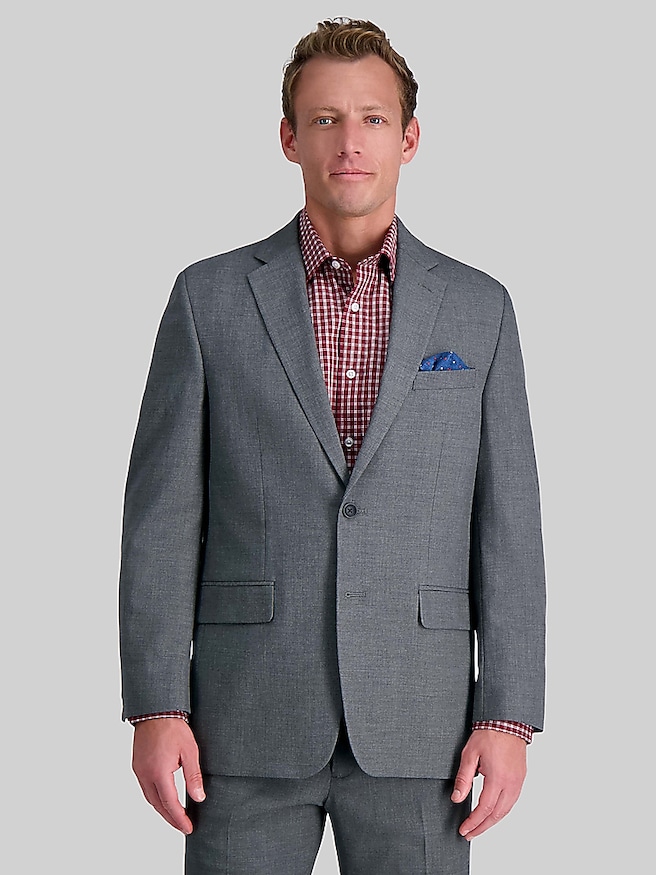
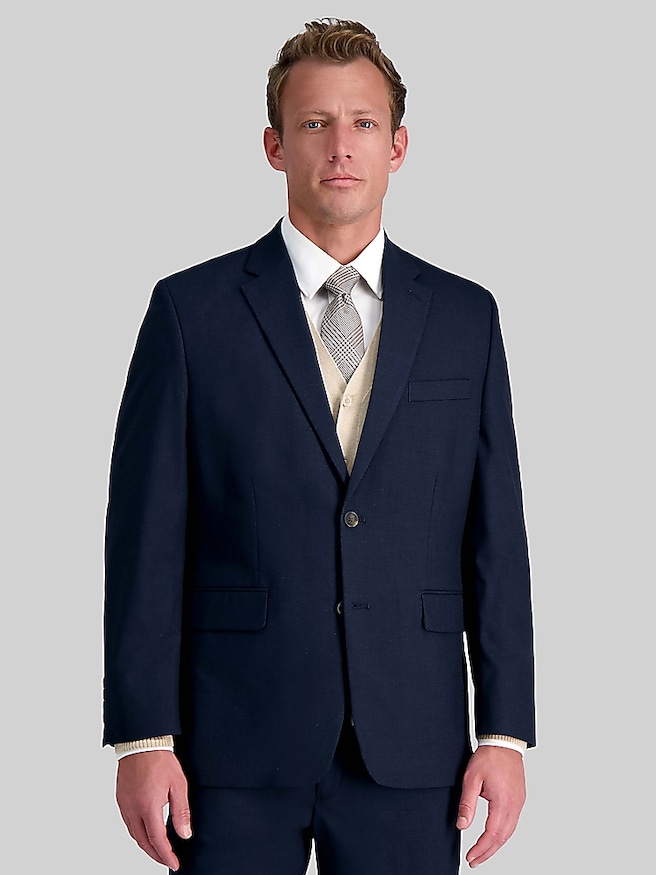
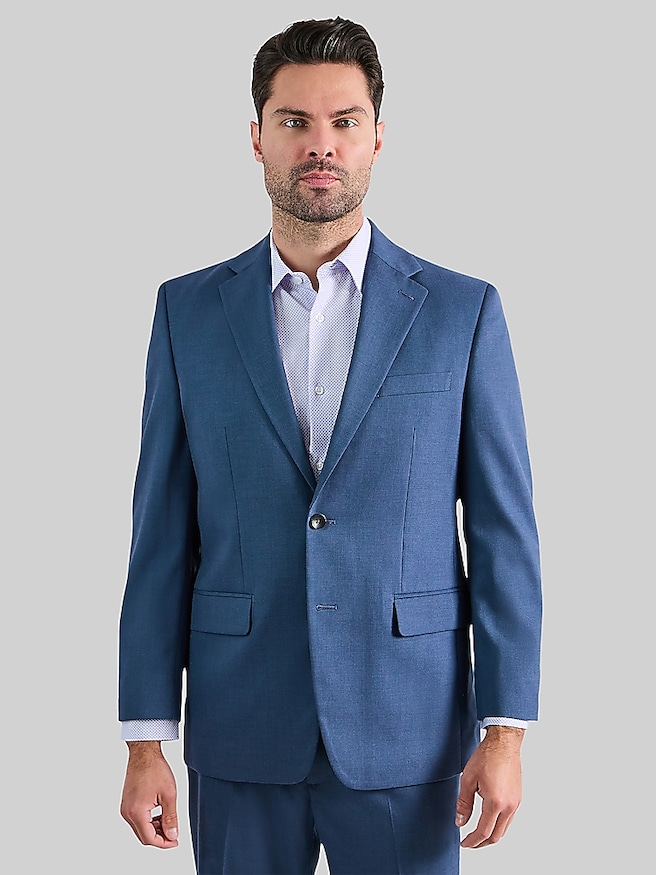
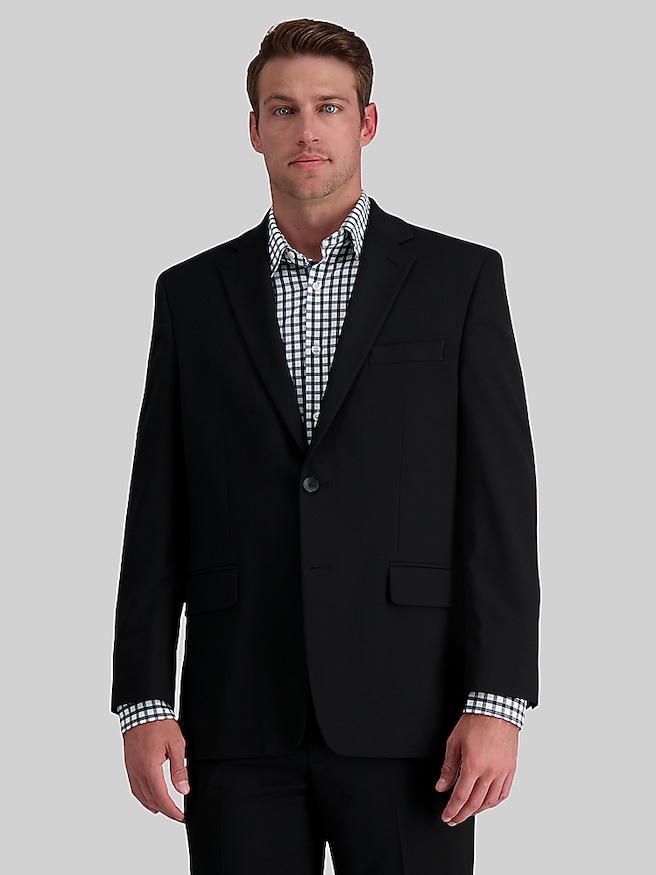
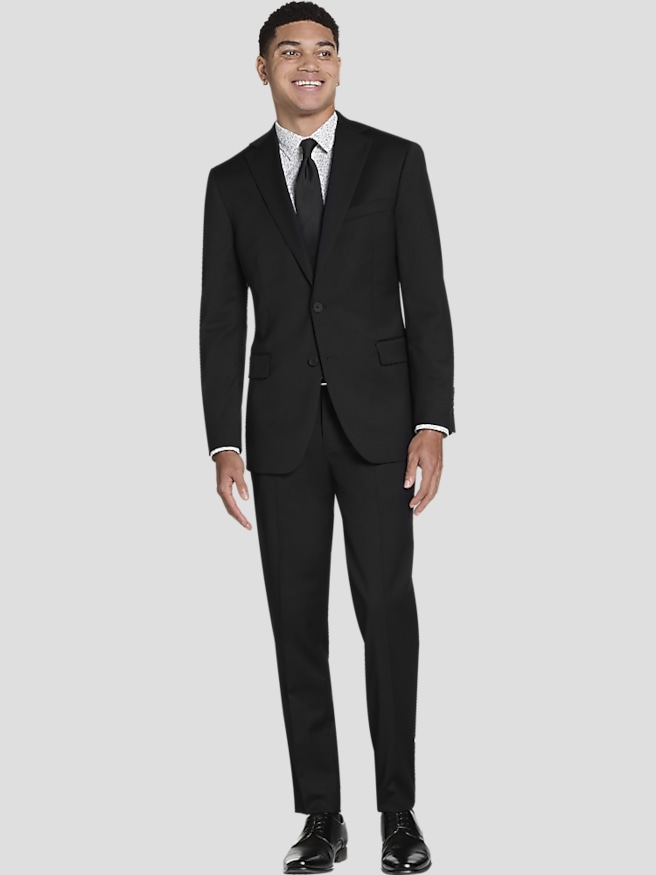
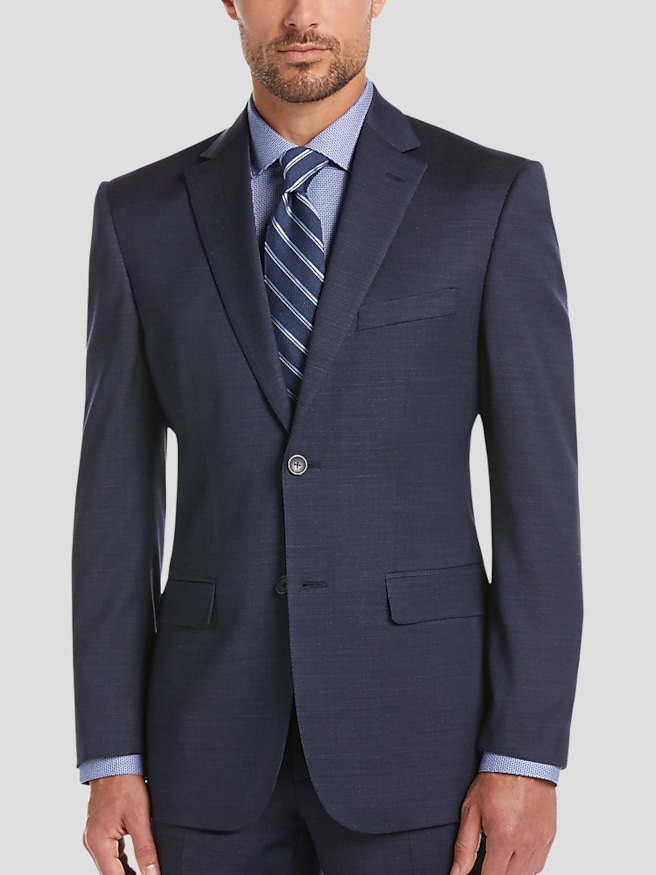
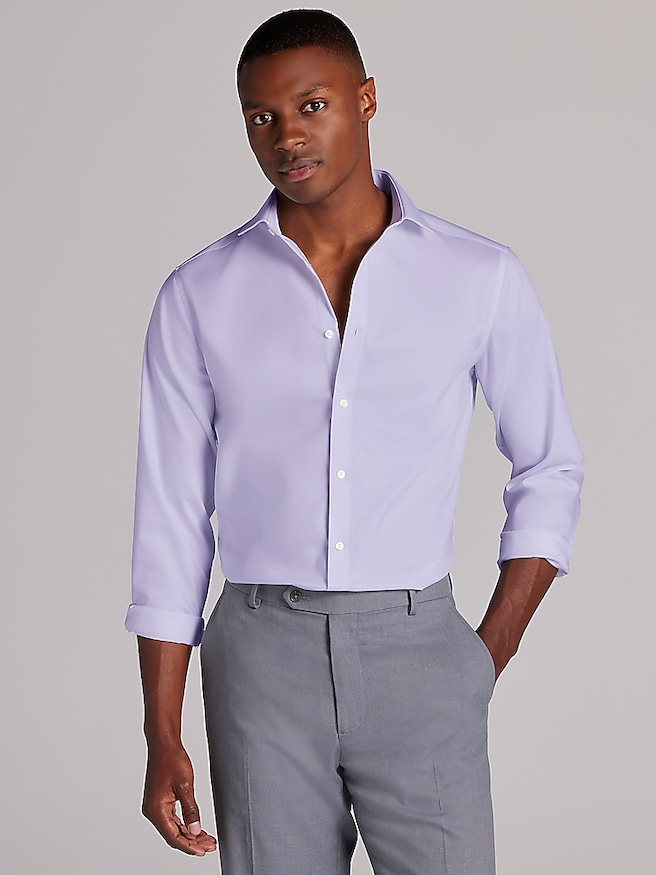
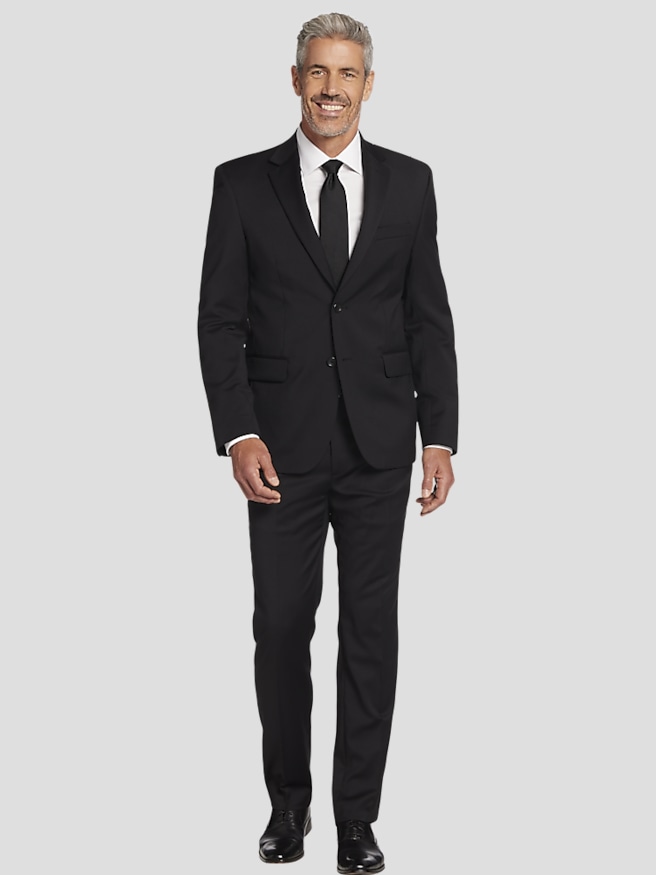
A first day of work often begins before the introductions, handshakes, and commute. It begins when you stand in front of the mirror and decide what kind of impression you want your clothing to make. For a formal workplace such as a law office, financial firm, corporate headquarters, or client-facing professional setting, a classic two-piece suit in navy, charcoal, or another deep neutral shade is a dependable choice. A single-breasted jacket with clean lines, a solid white or light blue button-down shirt, and a restrained tie create a polished appearance without drawing attention away from your confidence and preparation. These colors are versatile, photograph well under office lighting, and can be worn again for interviews, presentations, networking events, and important meetings. If the workplace follows a business-casual dress code, a full matching suit may be more than necessary; tailored dress slacks paired with a coordinating blazer or sport coat can provide the same composed feeling with a more relaxed finish. When the dress code is unclear, dressing slightly more formally than the everyday standard is usually a sensible approach, while avoiding anything overly flashy or ceremonial. A first-day outfit should help you feel ready to listen, learn, and participate, not leave you worrying about whether a bright pattern or unusual cut is commanding too much attention.
Fit is the most important consideration when choosing a suit for a new job. The shoulder seams should sit close to the edge of the shoulders, the jacket should button comfortably without pulling, and the sleeves should allow a small portion of the shirt cuff to show. Trousers should sit securely at the waist and fall cleanly over the shoe, with little or no excess fabric pooling around the ankle. A suit does not need to feel stiff or restrictive; the right cut allows you to sit through an orientation, walk between offices, reach for a coffee, and move naturally during introductions. Professional tailoring can make a meaningful difference, particularly at the sleeve and trouser length, and small adjustments often make an existing suit look more refined than a new but poorly fitted one. Choose fabric with the season and your commute in mind. Lightweight wool blends and breathable constructions can be comfortable when the weather is mild, while a more substantial fabric may feel appropriate during cooler months. Look for a shirt collar that sits neatly beneath the jacket and a tie width that complements the lapels. Complete the outfit with clean, polished leather dress shoes and a belt in a coordinating color; dark brown or black are practical choices that work with many neutral suits. Simple accessories, such as a conservative watch, understated pocket square, or slim leather portfolio, can add personality while keeping the overall appearance focused. Before the first morning, try on the complete outfit from head to toe, walk around the room, sit in a chair, and check how it looks from every angle. That brief rehearsal can reveal a loose button, uncomfortable waistband, or shoe that needs breaking in before an important day.
Suits for a first day of work can be a thoughtful gift for someone beginning a new career, graduating from school, changing industries, or stepping into a role with more responsibility. A well-chosen suit offers more than a polished appearance: it becomes part of the routine that helps someone feel prepared when everything else is unfamiliar. Consider the recipient’s workplace, preferred colors, usual fit, and daily commute before selecting clothing, and allow room for tailoring so the finished look feels personal rather than generic. Someone entering a formal office may appreciate a dark navy or charcoal suit that can be worn with several shirts and ties, while someone in a modern office may get more use from versatile separates that can be combined in different ways. Building an adaptable work wardrobe over time is often more useful than relying on one elaborate outfit. A suit jacket can be worn with dress trousers for a formal meeting, while the trousers can be paired with a button-down shirt on a quieter office day. During the cooler months, a wool overcoat, fine-knit sweater, or neatly folded scarf can provide warmth without distracting from the tailored foundation underneath. For additional ideas on building a polished work wardrobe, explore Office Attire For Young Professionals. Whether the first day brings a quiet desk introduction or a full schedule of meetings, the best outfit is one that fits well, suits the setting, and lets the wearer focus on doing good work.