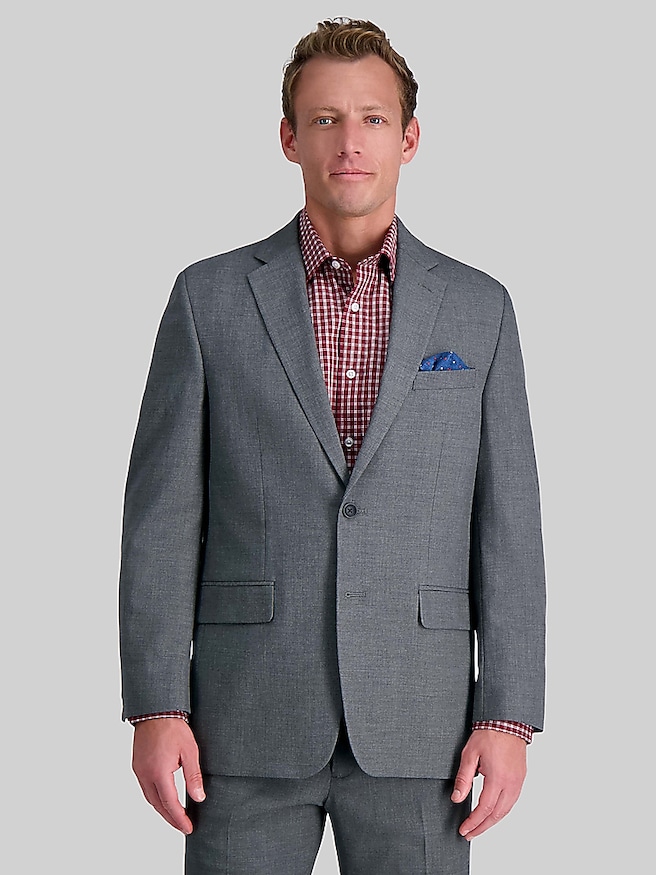
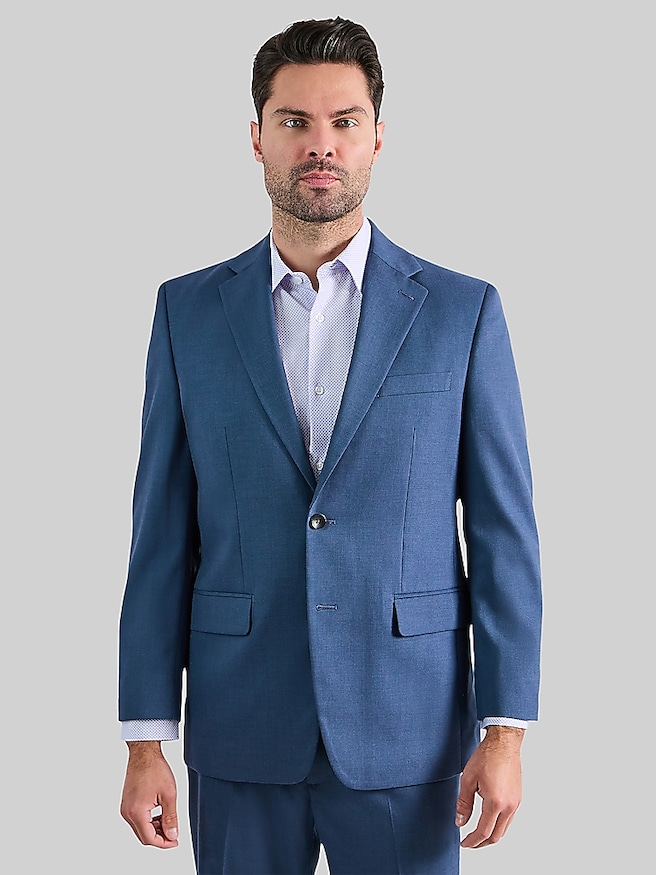
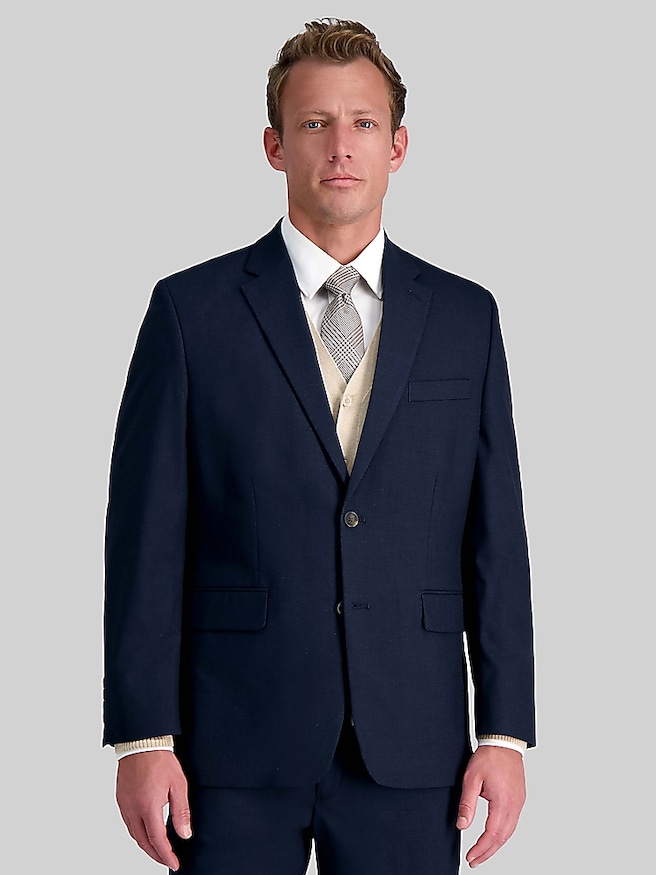
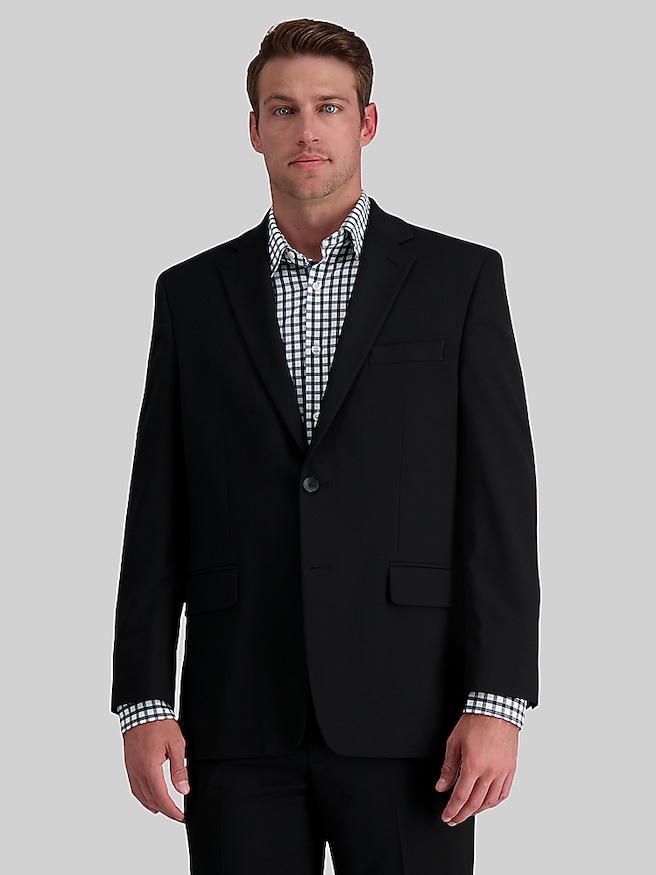
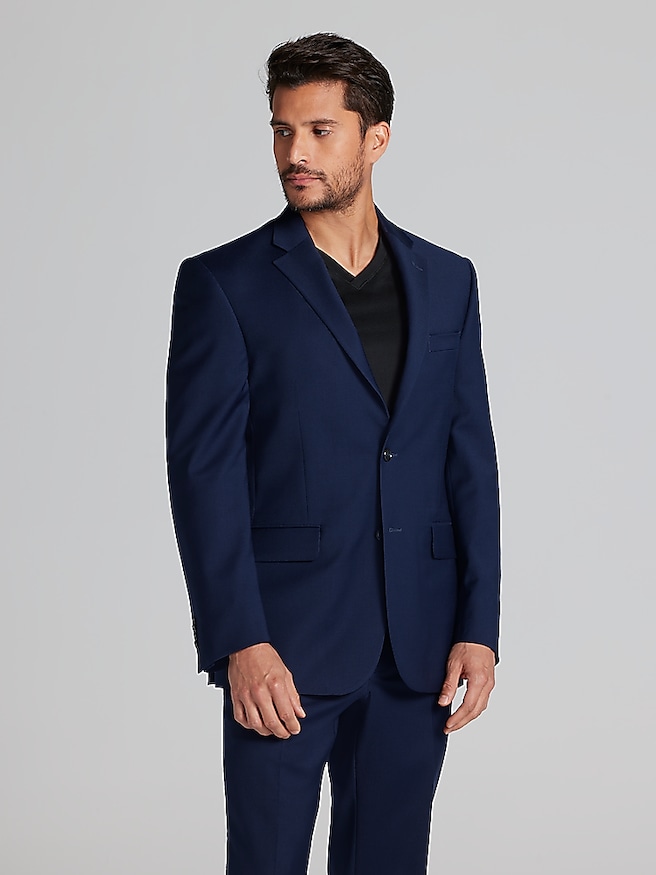
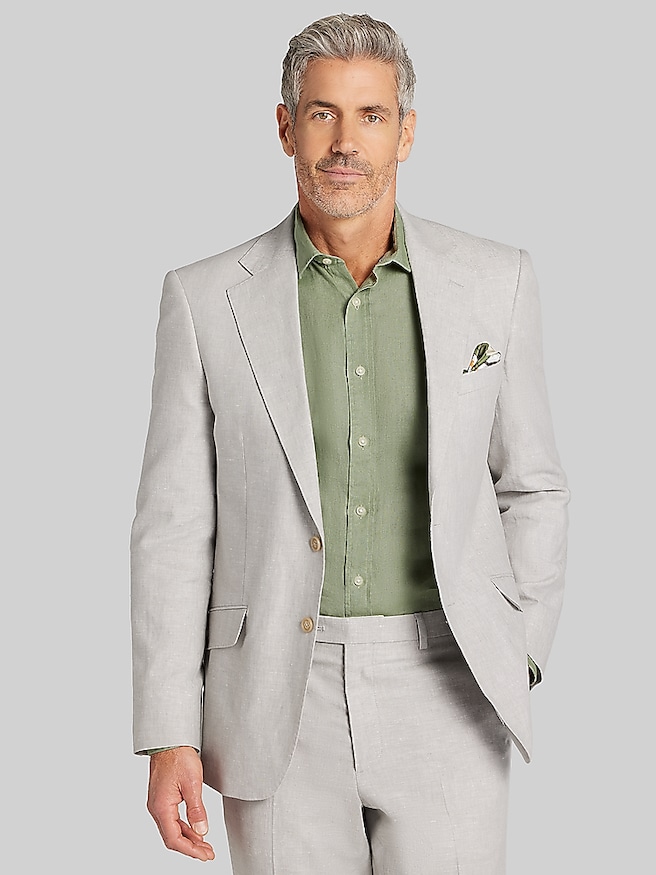
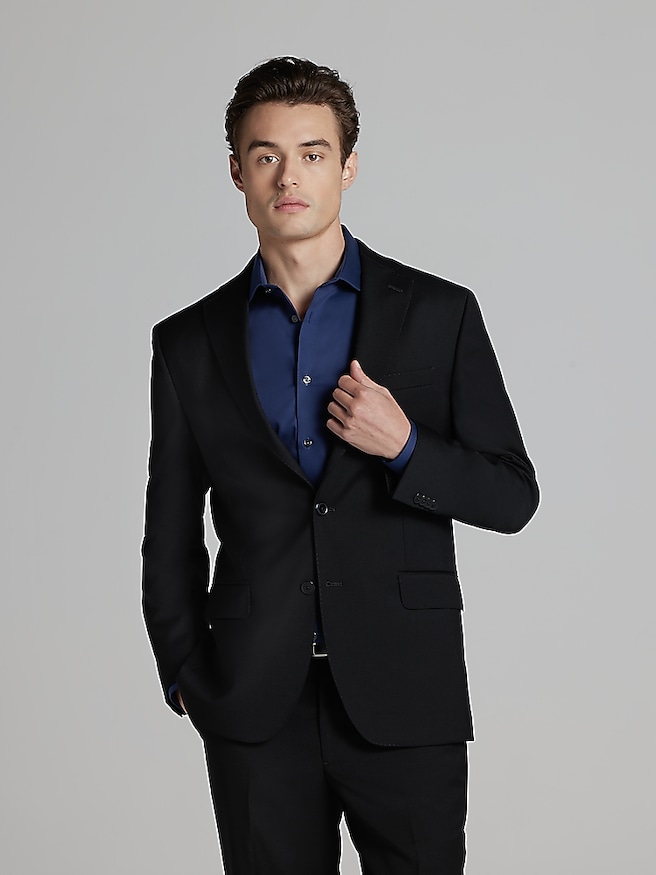
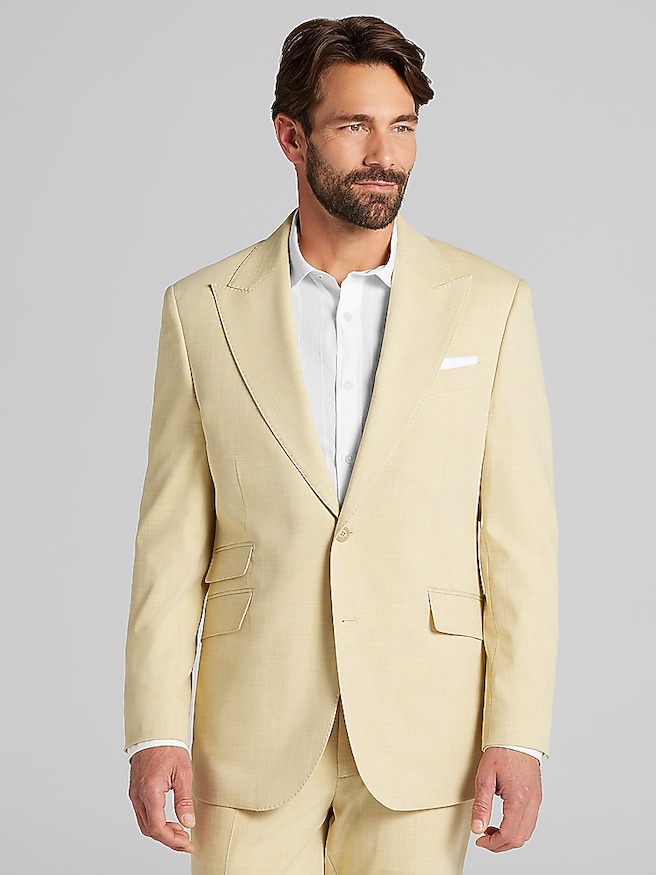
Business formal suits are designed for the moments when a polished, professional appearance matters from the first handshake to the final meeting of the day. A classic business suit typically includes a matching jacket and trousers, with a coordinating vest available when a three-piece silhouette is appropriate. The most versatile colors are conservative, solid shades such as navy, charcoal gray, and deep mid-gray. These tones pair easily with crisp white or light blue dress shirts and conservative ties, making them practical for interviews, presentations, client meetings, conferences, office celebrations, and everyday professional wardrobes. Black suits can look sharp, but they are often associated with evening events, ceremonies, or funerals rather than standard daytime business attire. For a dependable foundation, look for a matte worsted wool or wool-blend fabric with a refined texture, including subtle patterns such as herringbone, bird’s eye, or sharkskin. These details add dimension without distracting from a clean, authoritative appearance. A single-breasted jacket with two buttons and moderate notch lapels remains an especially adaptable choice, offering a balanced profile that works across traditional and contemporary workplaces. During the cooler months, a wool-rich suit can provide comfortable warmth while maintaining a structured drape, and a breathable blend can help make the same polished outfit practical as indoor heating and changing temperatures come into play.
Fit is the detail that turns a good business formal suit into an outfit that feels made for the wearer. The shoulder seams should sit close to the natural edge of the shoulders without extending beyond them, while the jacket should close comfortably without pulling across the chest or creating a pronounced gap. The sleeves should allow a small amount of shirt cuff to show, and the jacket length should provide enough coverage over the seat while maintaining a balanced proportion. Trousers should sit securely at the waist, fall cleanly through the hips and thighs, and finish with a neat center crease. A slight break at the shoe creates a traditional, professional line, while a cleaner trouser hem can give the outfit a more streamlined appearance. Flat-front trousers offer a modern, understated profile, while modest pleats can provide additional ease for those who prefer more room when sitting, commuting, or moving between appointments. Pay attention to fabric weight, lining, stretch, and construction as well as measurements; a suit that feels comfortable through a full workday is more likely to become a trusted part of a wardrobe. Think about the small details that appear in real life: the jacket should remain comfortable when reaching for a folder, the trousers should sit smoothly after a long drive, and the fabric should recover well after time in an office chair. Professional tailoring can refine sleeve and trouser lengths, waist placement, and other proportions, helping a ready-to-wear suit look more personal and composed. For a complete business formal outfit, add a well-fitted white or light blue dress shirt, a silk tie in a solid shade or subtle pattern, polished black or dark brown leather Oxford or Derby shoes, and a matching leather belt. A simple watch and minimal metal accents keep attention on the overall impression rather than creating visual noise.
Business formal suits serve a wide range of professional needs, from a first interview to a promotion, a leadership presentation, a corporate ceremony, or a new role that calls for more traditional attire. They can also make a thoughtful gift for a graduate beginning a career, a family member preparing for interviews, or someone reaching an important professional milestone. When giving a suit as a gift, consider the recipient’s workplace, preferred colors, usual fit, and access to alterations; a versatile navy or charcoal option is often easier to wear repeatedly than a highly distinctive pattern. For an interview, a restrained solid suit, light shirt, conservative tie, and polished shoes create a focused appearance that lets preparation and communication take center stage. In a client-facing setting, a subtle textured fabric or three-piece option can convey confidence while remaining appropriate, especially when paired with understated accessories. A suit for a formal business event should be pressed or steamed, checked for loose threads and lint, and coordinated with shoes and belt in complementary leather tones. Store it on a broad hanger, allow it to air between wears, and use professional cleaning only as recommended by the care label to help preserve its shape. Business formal dressing is distinct from eveningwear: when an invitation calls for black-tie styling, explore Formal Tuxedo Suits rather than relying on a standard office suit. With thoughtful color selection, dependable fabric, accurate fit, and a few well-chosen accessories, a business formal suit can carry its wearer confidently through important conversations, cooler-season commutes, milestone occasions, and the many professional days that follow.