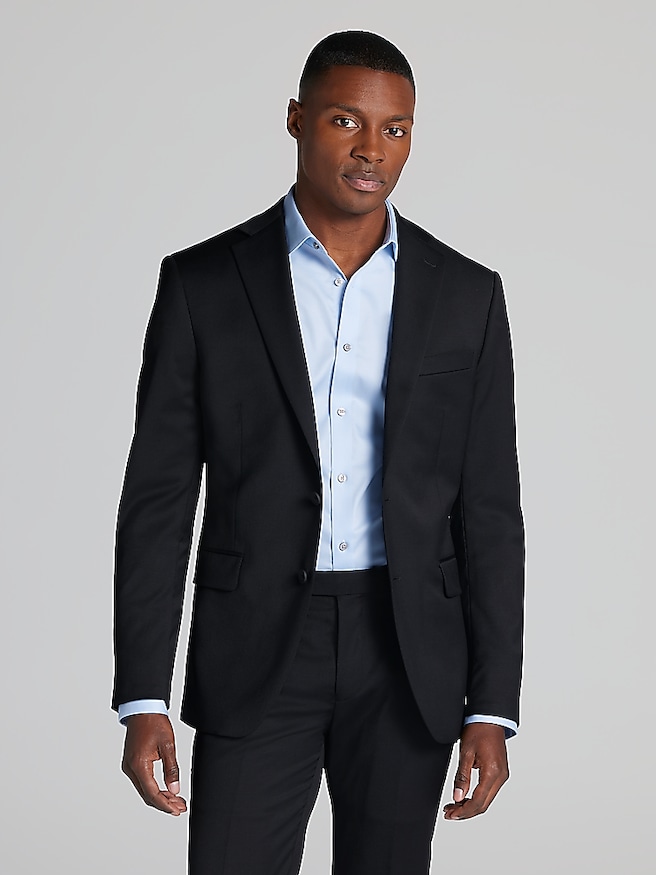
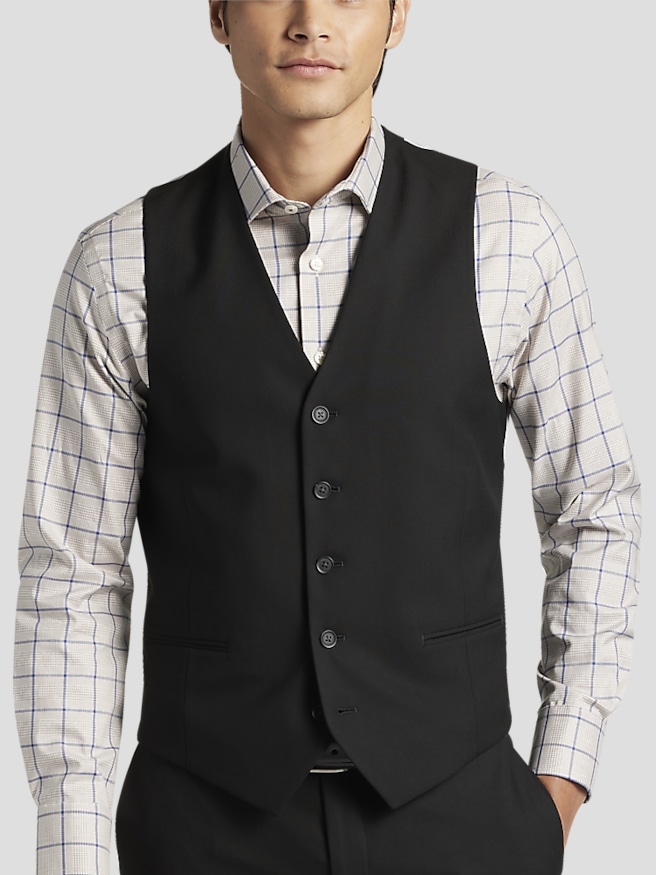
Suits and vests give tailored clothing a sense of completeness, whether the occasion calls for a polished business outfit or a more dressed-up look for a wedding. A two-piece suit pairs a jacket with matching trousers; a three-piece suit adds a coordinating vest, also called a waistcoat. That extra layer creates a clean line through the torso and keeps an outfit looking intentional when the jacket comes off. At a wedding reception, for example, a well-fitted vest helps maintain a finished appearance through dinner, speeches, and dancing without relying on the jacket throughout the event. In a professional setting, the same combination can suit a presentation, an important client meeting, or an awards ceremony, depending on the dress expectations. Matching fabric across all three pieces produces the most unified effect, while a contrasting vest introduces another color or texture and makes the combination feel less uniform. The distinction matters: two fabrics that nearly match but differ slightly in shade can look accidental, whereas a clearly contrasting vest reads as a deliberate choice. Men's Vested Suits bring that coordinated three-piece approach into focus, with the vest serving as part of the overall silhouette rather than an unrelated accessory. Navy and charcoal offer a versatile foundation for dress shirts and ties, while lighter neutrals, subtle checks, and textured fabrics create a different visual character. A solid suit leaves more room for a patterned shirt or tie; a pronounced suit pattern often benefits from quieter accessories. For grooms, wedding guests, graduates, and professionals, the appeal is not simply greater formality. A vest changes the proportions of an outfit, frames the shirt and tie, and adds another way to wear the same tailored foundation. The appropriate level of dress still depends on the setting: a three-piece suit can feel right at a celebratory dinner yet more dressed-up than necessary in a relaxed office.
Fabric and construction influence how suits and vests hang, move, and hold their appearance through repeated wear. Worsted wool, made with smoothly aligned yarns, often has a clean surface and a fluid drape that works well for business and occasion dressing. Wool also has natural resilience, helping minor wrinkles relax between wears. Wool blends vary according to their fiber content; added fibers may contribute stretch, strength, or a different texture, but the full composition matters more than a single fabric claim. Cotton generally gives tailoring a less formal character and can develop visible creases, while linen has a distinctive texture and a naturally relaxed, wrinkled finish. Synthetic fabrics and blends can offer durability and shape retention, although breathability and feel differ by construction. A smooth, finer-looking cloth tends to read as dressier than a coarse or visibly textured weave, but durability depends on the fabric, seams, lining, and care together. Fit is equally important. A suit jacket should sit neatly at the shoulders without extending beyond them or pinching across the upper back. With the jacket fastened, the front should lie smoothly rather than forming pronounced pulling lines around the button. Slim fits generally create a closer outline; roomier cuts allow more space through the chest, waist, seat, and thighs. Neither description replaces checking how the garment feels while sitting, walking, or reaching forward. A vest should button comfortably across the chest and waist without gaping between buttons, and its armholes should allow movement without bunching the shirt. Its front hem should cover the trouser waistband so that a strip of shirt does not appear between the two pieces. This makes trouser rise particularly important: a shorter vest and very low-rise trousers may not work together, even when each fits separately. An adjustable back can refine the waist, but it cannot correct a vest that is too small. For most traditional single-breasted dress vests, leaving the bottom button unfastened is customary; designs with different closures may follow different conventions.
The details around a suit and vest help the finished outfit feel comfortable rather than assembled only for photographs. A dress shirt with a collar that sits neatly beneath the vest neckline gives a tie a clear frame, while smooth sleeves keep excess fabric from gathering beneath the jacket. A small amount of shirt cuff showing below the jacket sleeve provides a crisp finishing detail. Trousers should rest securely at the waist and fall cleanly over the shoes, with the amount of break reflecting the cut and personal preference. When a belt adds bulk beneath a close-fitting vest, compatible trousers worn with suspenders can create a smoother line; side-adjuster trousers offer another streamlined option. Shoes and accessories work best when they support the outfit's level of formality instead of competing with its fabric or pattern. For someone who spends part of an event seated and part greeting guests, comfortable movement through the waist and seat matters as much as the standing silhouette. Keeping that silhouette intact also depends on care. The garment label should determine cleaning methods, especially when a suit includes structured interiors, delicate fibers, or contrasting vest fabrics. Between wears, a broad, shaped hanger supports the jacket shoulders, and properly hanging the trousers helps preserve their crease. Gentle brushing can remove surface dust from suitable fabrics, while allowing garments to air before storage helps prevent odors from lingering. Stains deserve prompt attention from a cleaner familiar with tailored clothing rather than aggressive rubbing or improvised treatments. Professional pressing can restore a sharp finish, and unnecessary cleaning is best avoided. Wearing and cleaning matching pieces together helps limit uneven changes in their appearance over time. For a graduation, career milestone, or wedding gift, suits and vests can have lasting practical value, particularly when the recipient's measurements and dress preferences are known. Thoughtful fit, compatible fabrics, and consistent care make the difference between clothing reserved for one occasion and tailoring that earns a place in a regular wardrobe.