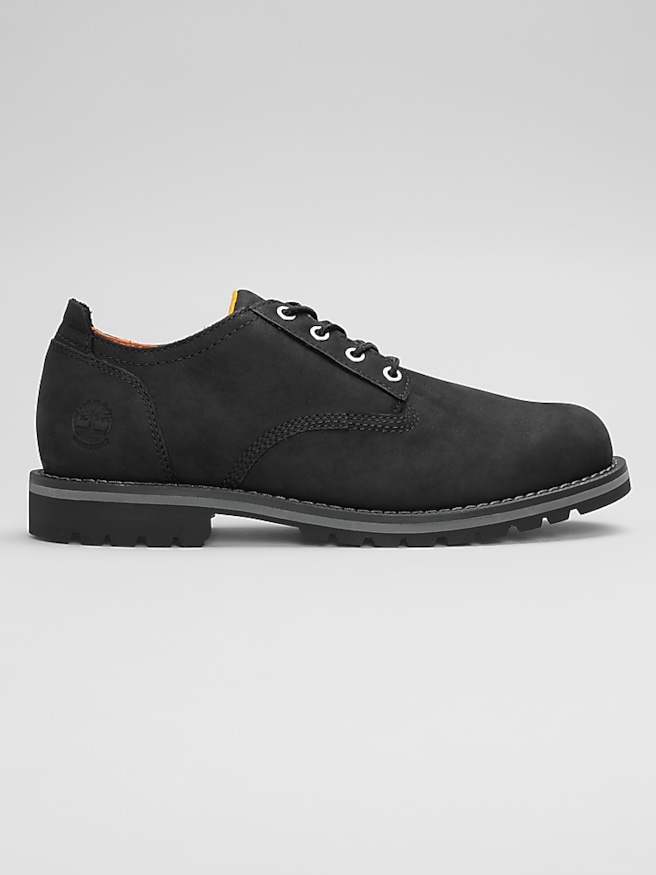
Suede oxfords are closed-lacing dress shoes that pair a traditional, structured shape with the soft, textured surface of suede leather. Their defining feature is the placement of the lace tabs beneath the front section of the upper, creating a neat closure across the top of the foot. That detail distinguishes an oxford from a derby, whose lace tabs sit on top of the upper in a more open arrangement. Suede gives the classic oxford silhouette a less glossy appearance than smooth leather, making it a natural choice for business-casual outfits, smart-casual gatherings, and occasions that call for polish without strict formality. The material has a fine, raised nap, commonly created from the underside of a hide or a split layer of leather. As the fibers catch light, the surface can appear slightly lighter or darker, giving even a simple shoe visual depth. That texture works particularly well alongside the weave of chinos, the grain of denim, and the subtle pattern of a textured sport coat. Dark brown suede oxfords create a grounded finish with navy or charcoal trousers, while lighter brown shades bring more contrast to medium-blue or olive clothing. Gray and blue tones can also complement understated outfits without relying on a high-shine finish. A plain-toe design keeps the overall effect clean; a cap toe adds definition; decorative perforations introduce another layer of detail. These features affect appearance rather than changing the basic closed-lacing construction. For a work presentation followed by dinner, suede oxfords can connect tailored trousers and a blazer without making the outfit feel overly ceremonial. They also suit a graduation celebration, an anniversary dinner, or a wedding with a relaxed dress code. For black-tie occasions or settings with precise footwear requirements, the stated dress code should take priority over the softer character of suede. Their appeal lies in that balance: recognizable dress-shoe structure with a finish that feels approachable rather than rigid.
Fit matters as much as appearance, especially because the closed lacing of suede oxfords leaves less room for adjustment over the instep than an open-laced design. A comfortable fit holds the heel securely, supports the middle of the foot without squeezing, and leaves the toes free from pressure at the front and sides. The upper may become more flexible with wear, but a shoe that pinches or forces the toes together should not be treated as a break-in project. Someone with a higher instep may need a different width or shoe shape rather than simply a longer size. Trying shoes with the socks intended for regular use gives a more useful impression than trying them with unusually thick or thin socks. Walking a few steps also reveals whether the heel lifts noticeably, the laces create pressure, or the forefoot feels restricted as it bends. The shape of the toe contributes to both comfort and styling: a gently rounded profile often feels versatile, while an elongated shape can create a sharper visual line beneath tailored trousers. Exterior softness does not automatically mean interior cushioning, so lining, footbed design, and sole flexibility deserve separate attention. For someone who spends much of the day standing, underfoot comfort may matter more than decorative stitching. Rubber outsoles can add cushioning and traction, depending on their composition and tread, while leather outsoles offer a traditional dress-shoe profile with a distinct feel underfoot. Neither material alone determines overall quality or comfort. Stitching, edge finishing, lining, and the way the upper joins the sole all contribute to how a shoe wears over time. Some constructions allow resoling, while others are harder to repair, making repairability a useful consideration for frequent use. As a gift, suede oxfords make the most sense for someone whose size, width, and everyday dress habits are already familiar. A recipient who regularly wears chinos or tailored separates may find more opportunities for them than someone whose routine calls almost entirely for athletic footwear.
Suede rewards consistent, gentle care rather than aggressive cleaning. Its raised fibers can hold surface dust, and regular attention helps preserve the texture that makes the material distinctive. A suede brush used with light pressure can lift loose debris and refresh areas where the nap has flattened. Brushing should follow the footwear maker’s care directions, since finishes and treatments vary. A suede eraser may help with small, dry marks, but rubbing hard can disturb the surface instead of improving it. For deeper cleaning, a cleaner specifically formulated for suede is a more suitable choice than conventional shoe polish or heavy leather cream, both of which can alter the color and compress the nap. Testing any cleaner or protective treatment in a discreet spot helps reveal changes before the entire upper is treated. A compatible suede protector may reduce absorption and staining, but it does not make the material waterproof or eliminate the need for careful handling. If the shoes become damp, blotting gently and allowing them to dry naturally away from direct heat helps avoid damage; brushing should wait until the material is fully dry. Cedar shoe trees can help maintain the shape between wears, provided they fit without stretching the upper. Giving shoes time to air out, keeping them away from strong direct light, and storing them where the nap will not be crushed also support their appearance over time. When dressing, the surrounding textures can do much of the work: clean trouser hems, a well-fitting shirt, and a belt in a compatible brown or neutral tone create a cohesive result without requiring an exact color match. For outfits with a more athletic influence, suede sneakers offer another way to bring that textured finish into casual dressing. Suede oxfords retain a more tailored identity, making them especially useful when the occasion calls for a lace-up dress shoe with a softer visual finish. Thoughtful fit, balanced styling, and appropriate care help preserve that combination through repeated wear.