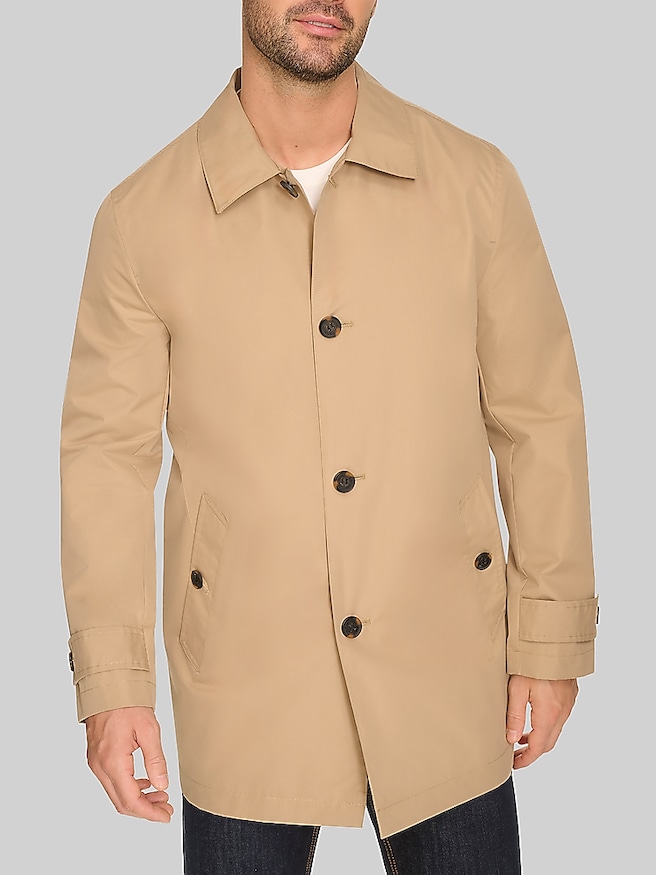
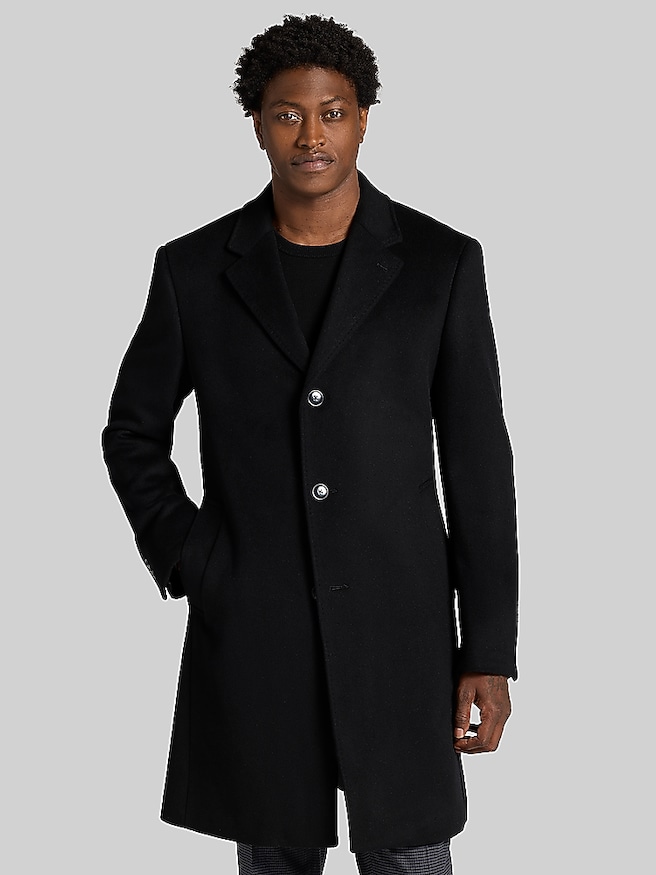
Stylish winter coats bring together dependable warmth, thoughtful construction, and a polished shape that can carry an outfit through the cooler months. The right coat often becomes the first thing people notice, whether it is worn over a tailored suit on a brisk commute, layered above a sweater for an evening gathering, or thrown over denim and boots for a relaxed weekend. When comparing options, begin with the climate and the amount of time spent outdoors. A dense wool or wool blend can provide comfortable insulation while maintaining a clean, structured appearance, making it a natural choice for city streets, office entrances, restaurants, and other settings where a refined silhouette matters. Longer cuts help protect more of the body from cold air and wind, while mid-length styles can offer easier movement when driving, walking, or navigating crowded sidewalks. Look closely at the collar, closure, cuffs, and lining, since these details affect both comfort and performance. A high collar or generous lapel can help shield the neck, while a smooth lining allows the coat to slide easily over knitwear or a blazer. Secure pockets are useful for gloves, keys, and a phone, and interior pockets add practical storage without changing the outside shape. Fit is especially important with cold-weather layers. A coat should leave enough room for a shirt, sweater, or light jacket beneath it without looking oversized through the shoulders. The shoulder seam should sit close to the natural shoulder line, sleeves should reach near the wrist when the arms are relaxed, and the hem should complement the proportions of the wearer. A streamlined coat in charcoal, navy, black, camel, or another versatile neutral can work with a broad wardrobe, while subtle texture, a distinctive collar, or a softly brushed finish adds personality without making the piece difficult to style. For an especially polished appearance, pair a long tailored coat with leather or suede boots, pressed trousers, and a fine-gauge knit. A chunkier sweater, dark jeans, and sturdy lace-up boots create a more casual combination, while a scarf or textured beanie can add warmth and visual depth. For commutes that involve long walks or changing conditions, insulated puffers, quilted styles, and water-resistant outer layers may be more practical. Those who prefer a softer, more expressive look may gravitate toward plush textures, dramatic lapels, or a relaxed wrap-inspired front. Each approach can feel stylish when the proportions are balanced and the coat works naturally with the rest of the closet.
A winter coat can also be a thoughtful gift for a partner, parent, sibling, friend, graduate, or colleague, particularly when chosen with the recipient’s daily routine in mind. Someone who travels by train or walks across town may appreciate a longer, wind-resistant layer with protected pockets, while a driver may prefer a shorter cut that feels less restrictive behind the wheel. For an office wardrobe, a neat overcoat in a dark neutral can move easily between professional and social settings. For outdoor errands, campus days, or weekend travel, a lightweight insulated style may offer more flexibility and easier layering. If the recipient lives in a place with frequent rain or wet snow, look for water-resistant fabric, a covered closure, and a hood or high neckline. In a drier but colder environment, insulation, dense wool, and a secure fit around the cuffs may be the more important considerations. When gifting without exact measurements, reviewing the recipient’s usual jacket size and paying attention to whether they prefer a trim or relaxed fit can help. It is also useful to think about the colors they already wear. A coat in a familiar neutral is often easy to incorporate, while a richer shade such as deep olive, burgundy, or warm brown can refresh a dependable wardrobe without feeling difficult to match. A versatile winter layer should support the way someone actually dresses rather than ask them to build an entirely new outfit around it. That is why details such as removable hoods, adjustable cuffs, storm flaps, two-way closures, and breathable lining can make a noticeable difference over the course of a season. Care instructions deserve attention as well: wool often benefits from professional cleaning and careful storage, while quilted or insulated garments may require specific washing and drying methods to preserve loft. At home, a broad, sturdy hanger helps a structured coat maintain its shape, and allowing damp outerwear to dry fully before storage protects both fabric and lining. For more tailored options suited to an urban wardrobe, explore City Winter Coats. With the right balance of warmth, fit, and personal style, a well-chosen coat becomes more than a layer against the cold; it becomes a reliable part of daily dressing, ready for crisp morning walks, illuminated streets after sunset, and the many occasions that unfold during the cooler months.