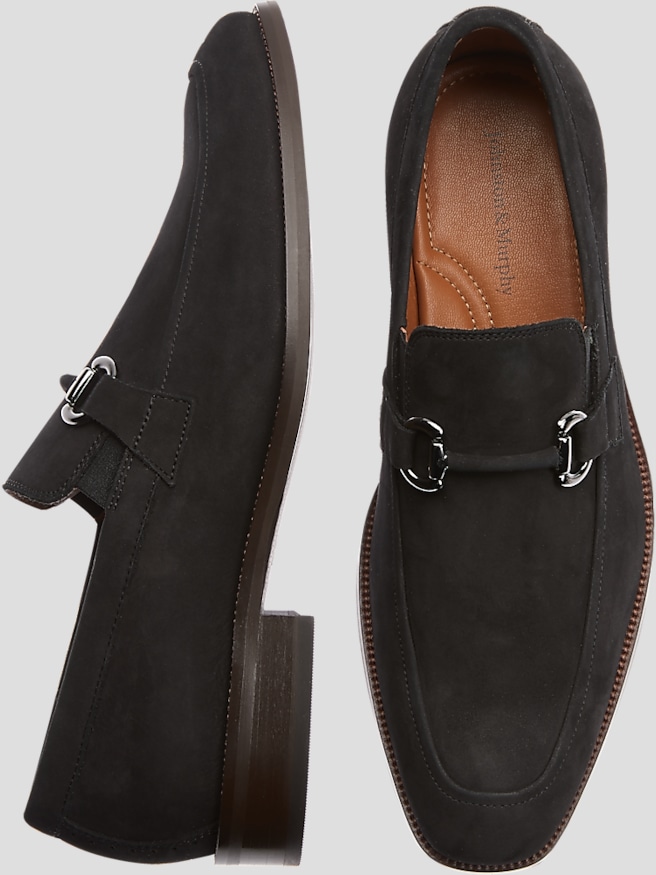
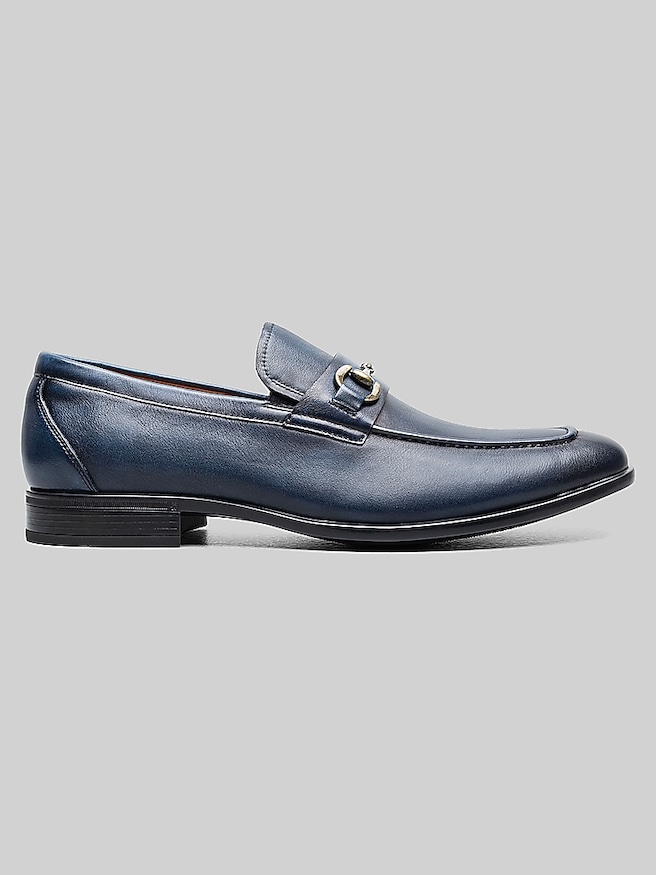
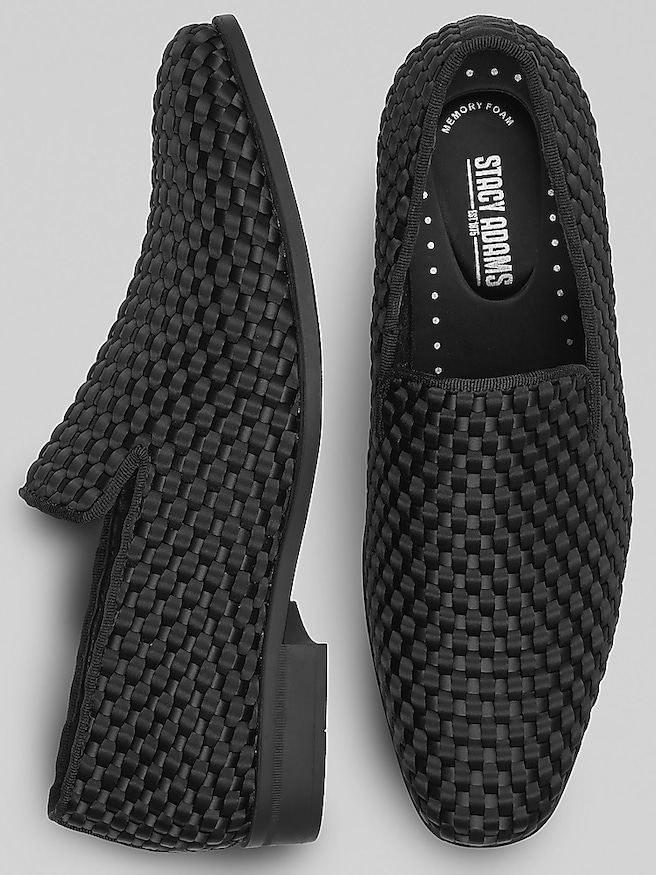
Stylish leather loafers bring a clean, finished look to an outfit without the structure of a lace-up dress shoe. Their slip-on construction and low-cut profile make them a versatile choice for office dressing, dinners, celebrations, and everyday outfits that call for something more polished than sneakers. The defining details give each silhouette its character: penny loafers have a leather strap across the instep with a small opening, horsebit loafers feature metal hardware, and tassel loafers add movement and texture across the upper. A streamlined shape with a low heel looks especially natural beneath tailored trousers, while a substantial sole gives straight-leg denim or fuller-cut pants a stronger visual foundation. Smooth leather creates a crisp appearance, pebbled leather introduces visible grain, and suede offers a soft, matte surface that feels less formal. Finish matters as much as shape. A restrained shine works comfortably with business-casual clothing, while a glossy finish draws more attention and can complement dressier combinations. Black leather loafers create a sharp line beneath charcoal or black trousers; chocolate brown brings depth to navy, tan, and olive; and burgundy or oxblood adds color without overwhelming a neutral outfit. Rather than relying on an exact match, a coordinated belt and shoe combination usually looks cohesive when both share a similar color family and level of polish. Hardware can echo a watch or belt buckle, though every metal detail does not need to match precisely. For someone moving from a morning meeting to dinner, dark leather loafers with tailored pants, a tucked-in shirt, and an unstructured jacket offer an easy balance of refinement and comfort. With dark denim and a knit polo, the same general silhouette feels relaxed but deliberate. The best-looking combinations leave enough space at the hem for the shape of the shoe to register, rather than hiding the upper beneath pooled fabric. That proportion allows even a simple loafer to become a distinct part of the outfit.
Leather quality, construction, and fit determine how loafers feel long after their first outing. Full-grain leather retains the hide’s natural surface and may develop a distinctive patina with wear, while top-grain leather has been refined for a more uniform appearance. Neither label alone tells the whole story: tanning, thickness, finishing, stitching, and the design of the shoe all contribute to performance. Smooth leather should flex without feeling brittle, seams should sit neatly, and the interior should have no rough edges that rub against the foot. Suede is leather with a raised nap, so its velvety texture calls for care suited to that surface rather than ordinary shoe polish. For a closer look at this footwear category, Premium Leather Loafers offers a related direction for a wardrobe built around refined slip-on styles. Whatever the finish, fit deserves particular attention because there are no laces to adjust the hold across the foot. The instep should feel secure without pressure, the toes should have room to rest naturally, and the heel should not repeatedly lift out while walking. A small amount of movement can occur with a stiff new sole, but pronounced slipping is not something to dismiss as normal. Leather may soften and give slightly across pressure points; a shoe that is too short will not become the correct length through wear. Trying loafers with the socks intended for everyday use gives a more useful sense of fit than trying them barefoot and adding thicker socks later. Width, instep height, and heel shape can matter as much as the marked size. Underfoot, cushioning and arch contours affect comfort, while sole flexibility influences the feel of each step. Leather soles tend to create a traditional, slim profile; rubber soles can add cushioning and grip, depending on their design. A lug sole brings visual weight, but a deeper tread does not automatically make every shoe suitable for every surface. For long stretches on foot, secure fit and supportive construction matter more than appearance alone.
A thoughtful rotation and straightforward care routine can help leather loafers retain their shape and finish. After wear, wiping smooth leather with a soft cloth removes surface dust before it settles around seams or decorative details. A suitable conditioner, used sparingly and according to the maker’s directions, can help prevent dryness; compatible cream or wax polish can refresh color and build the desired shine. Testing any treatment in an inconspicuous spot helps avoid an unexpected change in tone. Patent and coated finishes may require dedicated cleaners rather than products intended for absorbent leather. Suede benefits from a suede brush and appropriate spot-cleaning methods, with gentle attention to the direction of the nap. Any protective treatment should be approved for the particular material. If shoes become damp, letting them dry naturally away from direct heat helps protect the leather and adhesives. Cedar shoe trees can help maintain shape and absorb some interior moisture between wears, while using a shoehorn reduces stress on the heel counter. Alternating pairs allows the interior to dry fully and gives cushioning time to recover. Durability also depends on construction: some stitched designs can be resoled, while others are less practical to repair, so repairability should not be assumed from appearance alone. These details are useful for anyone choosing loafers for frequent office use, regular evenings out, or a compact travel wardrobe. Fine-gauge dress socks create a smooth transition from trousers to shoes, and subtle ribbing or a restrained pattern adds interest when seated. No-show socks offer a bare-ankle appearance with a layer between the foot and the lining, provided they stay securely in place. For weddings and other celebrations, sleek loafers may suit tailored separates or a suit when the dress code allows; strict formal attire calls for footwear appropriate to that standard. Leather loafers can also make a thoughtful graduation, birthday, or milestone gift for someone who appreciates versatile clothing. Knowing the recipient’s size, preferred width, and usual wardrobe makes the choice more personal, especially when the silhouette and finish suit how that person actually dresses.