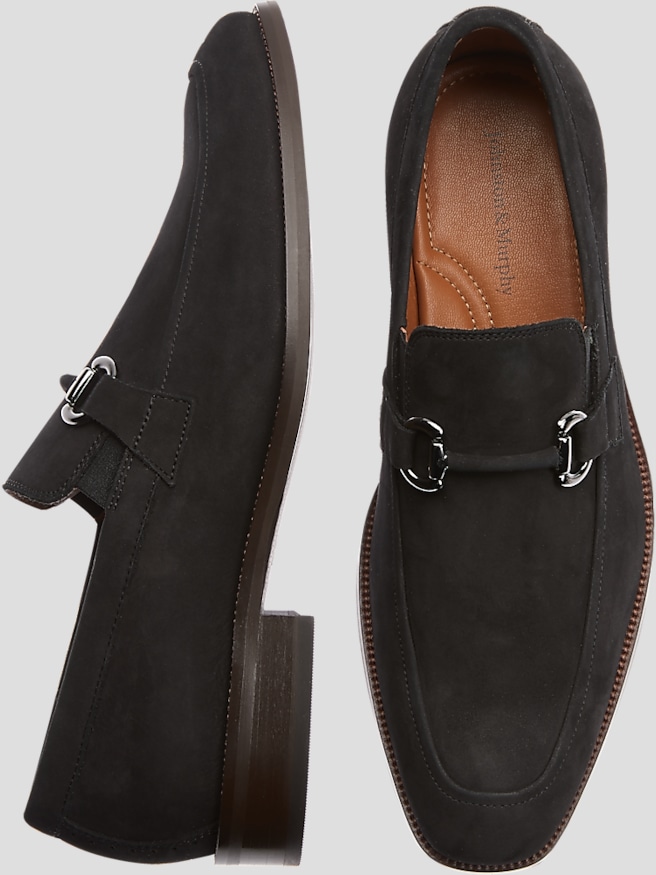
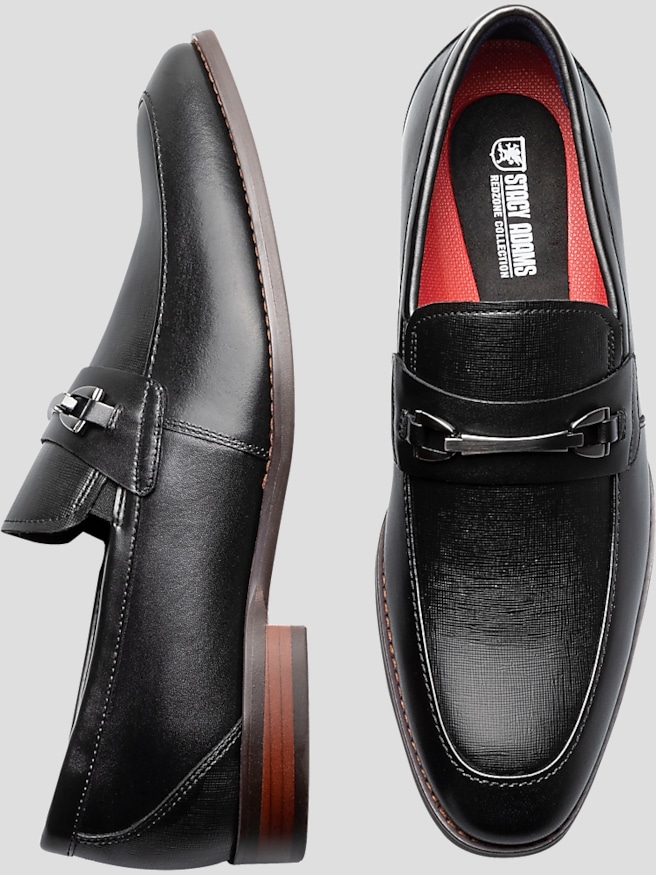
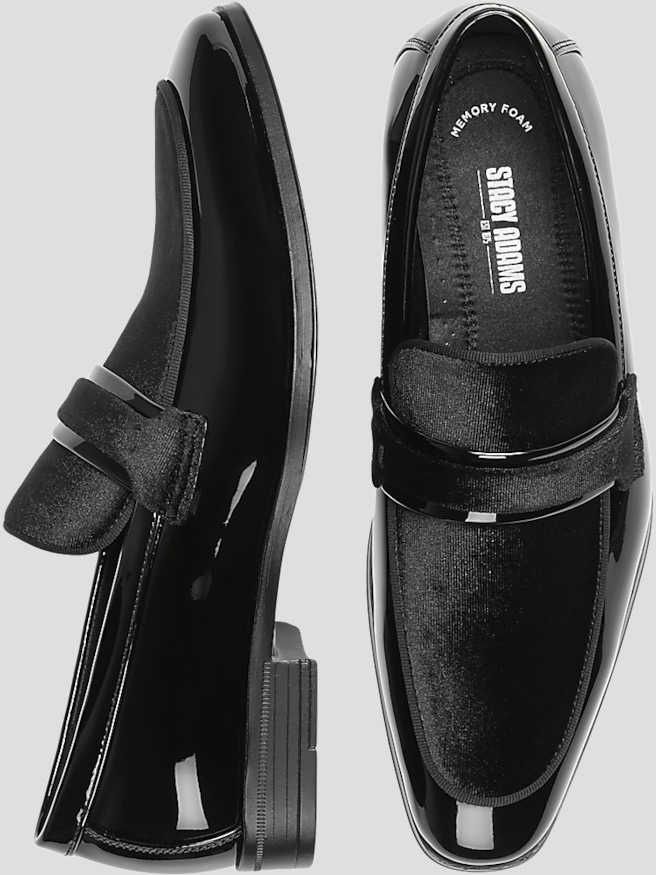
Comfortable leather loafers combine the ease of a slip-on shoe with soft uppers, a secure fit, and underfoot support suited to the way they will be worn. Comfort comes from the whole construction rather than cushioning alone: the shape of the toe, the placement of seams, the flexibility of the sole, and the way the heel sits all matter. Smooth leather brings a clean, polished appearance to office clothes and dressier separates, while suede offers a softer texture that works naturally with chinos, dark denim, and relaxed tailoring. Full-grain leather retains the hide’s natural surface and can develop a distinctive patina with regular wear and appropriate care. Top-grain leather has a more uniform finish, although its feel and durability depend on the quality of the hide and how it is processed. Neither description, by itself, guarantees a comfortable shoe. A supple upper that bends easily across the forefoot may feel accommodating from the first few wears, while a more structured leather can hold a sharper silhouette but require a gradual adjustment period. Lining choices also influence the experience against the foot. Smooth linings can reduce friction, while unlined construction often feels less structured and allows the character of the leather to come through. Penny loafers offer an understated profile with a recognizable strap across the instep; tassel details add movement and personality, and metal accents create a more defined dress-shoe appearance. An almond-shaped toe can provide a refined outline without the compressed feel of a sharply tapered shape, provided the shoe’s proportions match the wearer’s foot. For a workday that moves from a desk to a client lunch, the most useful balance is often a neat silhouette with enough flexibility to walk naturally. For dinner, a celebration, or a less formal wedding, a sleek leather loafer can complement tailored trousers without making the outfit feel overly rigid. Those drawn to a dressier finish can explore Stylish Leather Loafers for a related take on this versatile footwear category.
Fit deserves particular attention in loafers because there are no laces to adjust the hold across the foot. The upper should feel secure over the instep without pressing sharply into it, and the toes should have room to rest naturally rather than curl or overlap. A shoe that grips at the sides but leaves excessive space behind the heel is not necessarily the right size or shape. Minimal heel movement can occur in a new loafer, especially while a firmer sole is loosening, but repeated slipping or rubbing should not be dismissed as an inevitable part of breaking in leather. Leather may give modestly across pressure points; it will not reliably turn a shoe that is too short into one that fits. Trying loafers with the socks intended for regular wear provides a more useful sense of fit than relying on size alone. Fine dress socks suit tailored clothing, while low-cut liners preserve a bare-ankle appearance and create a layer between the foot and the lining. Underfoot, cushioning helps soften contact with hard surfaces, but a plush footbed and meaningful support are not the same thing. A contoured footbed may feel more stable through the arch, and a well-shaped heel area can help keep the foot centered. The right amount of contour depends on individual comfort rather than how pronounced the shape appears. Removable footbeds may be useful for someone who wears an insert, provided the shoe has enough internal depth to accommodate it without crowding the toes or lifting the heel. Outsole construction matters just as much during a commute or a long reception. Rubber soles can add cushioning and grip, depending on their compound and tread, while leather soles offer a traditional appearance and a distinct feel underfoot. Flexibility near the ball of the foot supports a natural stride; excessive softness throughout the shoe may feel less steady. For travel, manageable weight and a shape that stays comfortable through repeated walking are more valuable than a slip-on design alone.
Lasting comfort also depends on how leather loafers are maintained between wears. Dust and grit can collect around the welt, stitching, and folds across the upper, where a soft brush or cloth helps remove them before they become worked into the surface. Smooth leather generally benefits from occasional conditioning with a compatible product, used according to the footwear maker’s directions, rather than heavy applications that leave the surface greasy. Cream or polish suited to the leather’s finish can refresh its appearance, but suede needs a separate approach: a dedicated suede brush helps lift the nap, and conventional smooth-leather polish should stay away from that textured surface. Any care treatment is best tested on an inconspicuous area first, since finishes can react differently. Allowing shoes to air out after wear helps the interior dry, and cedar shoe trees can help maintain the shape of the toe and reduce deep creasing. Direct heat is not a shortcut for drying leather, which can stiffen or become damaged when treated too aggressively. Rotating between pairs gives each one time to recover from the moisture and flexing of a full day. Durability is influenced by leather quality, stitching, sole materials, construction, and the amount of walking involved; a repairable sole may extend useful life, although not every loafer is built to be resoled. These practical details matter for someone who wears loafers several days a week, whether with pressed chinos at the office or denim for an evening out. They also make leather loafers a thoughtful gift for a graduate starting a professional wardrobe, a partner who enjoys tailored clothing, or a frequent traveler who appreciates easy dressing. Familiarity with the recipient’s usual size, preferred width, and favored shoe shape is especially helpful for a slip-on style. The most satisfying pair brings together a comfortable fit, an appearance that suits everyday clothing, and materials that respond well to regular care—not simply a soft first impression when the shoe goes on.