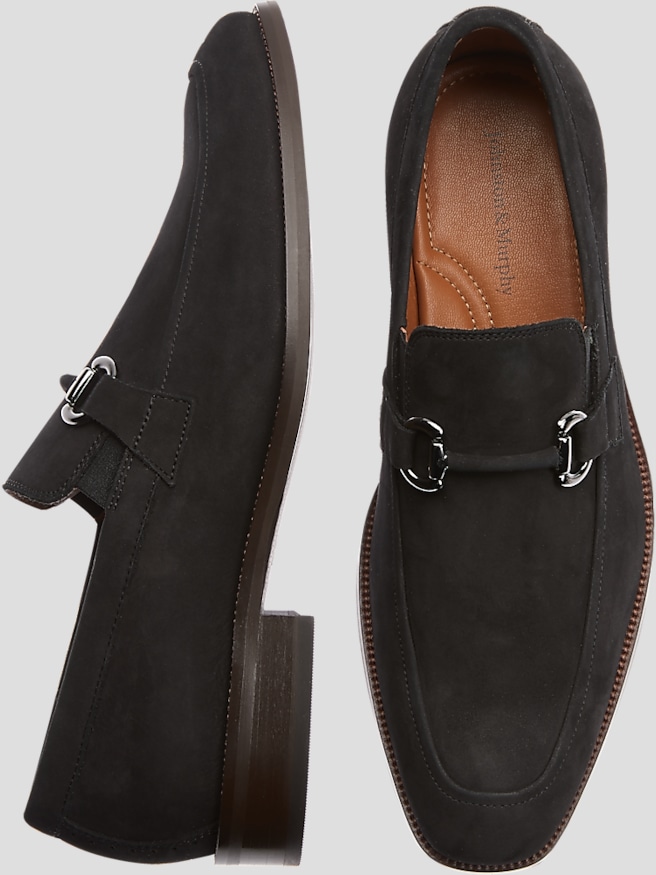
Comfortable loafers bring the clean lines of a dress shoe to a slip-on shape that feels at home with tailored trousers, chinos, and dark denim. Their appeal comes from that balance: enough structure to finish an outfit, with less fuss than a lace-up style. The features that matter most are a secure fit through the heel and instep, room for the toes, cushioning that does not flatten immediately, and a sole that bends where the foot naturally flexes. Softness alone does not tell the whole story. A plush footbed can feel inviting for a few minutes, while a more contoured design may provide a steadier foundation through a full schedule of meetings, errands, and dinner afterward. Materials also influence how a loafer feels against the foot and how it holds its shape. Smooth leather offers a polished surface and can gradually conform to the foot, though its initial flexibility depends on the leather and construction. Suede has a softer, textured appearance that works especially well with relaxed tailoring. Knit and other textile uppers can offer flexibility and a lighter feel, while lining materials and seam placement affect comfort inside the shoe. Penny loafers keep the detailing simple with a strap across the instep; tassel loafers add movement and a more expressive finish; metal-accented styles introduce a sharper focal point. None of these details guarantees comfort, but each changes the character of the shoe without losing its easy slip-on function. For an office outfit, a streamlined silhouette with a modest heel generally sits neatly beneath a trouser hem. For a more casual setting, a rounded toe and visibly flexible sole can look natural with chinos and an untucked button-down. The most useful pair is not necessarily the softest or the most formal. It is the one whose shape, construction, and level of support suit the places it will go and the amount of time it will spend on foot.
Fit deserves particular attention with loafers because there are no laces to adjust the hold across the top of the foot. The instep should feel comfortably secure, not compressed, and the heel should stay reasonably settled during a normal stride. Persistent slipping can create friction, while gripping with the toes to keep the shoe in place is a sign that the fit needs another look. A small amount of movement may occur in some constructions, but the foot should not slide forward with every step. Across the forefoot, there should be enough space for the toes to rest naturally without pressure along the little toe or the ball of the foot. A wider foot may need a wider size or a more accommodating shoe shape rather than extra length. Likewise, a high instep can feel restricted beneath the loafer’s upper even when the toe space seems generous. Trying loafers with the socks intended for everyday wear gives a more useful sense of fit than trying them with an unfamiliar thickness. No-show socks can preserve an exposed-ankle look while creating a barrier between skin and lining; fine dress socks offer a smooth pairing with tailored clothing. Underfoot, cushioning helps soften contact with hard surfaces, while arch contour and a stable heel area influence how supported the foot feels. Removable footbeds may be useful for someone who uses an insert, provided the shoe has enough depth to accommodate it without crowding the foot. Outsoles matter, too. Rubber can offer cushioning and grip, depending on its compound and tread, while leather soles often create a slimmer profile and a more traditional feel. Flexibility should be noticeable near the ball of the foot rather than through an unstable, easily twisted midsection. For a commute with several blocks of walking or a reception spent mostly standing, a balanced combination of cushioning, traction, and secure hold is more meaningful than a claim of instant comfort. Leather may soften with wear, but painful pressure is not something to count on breaking in.
Color and finish help comfortable loafers move between everyday routines and more dressed-up occasions. Black leather creates a crisp pairing with charcoal trousers and a neatly pressed shirt, while brown offers a softer contrast with navy, tan, olive, and denim. Within that range, deeper shades tend to look more understated, and lighter shades draw more attention to stitching and texture. For outfits built around those versatile tones, Comfortable Brown Loafers offer a natural starting point. A smooth finish can complement a sport coat for a presentation or a dinner reservation, while suede gives the same basic shape a less formal character. Loafers can also work for wedding guests when the dress code allows, although highly formal occasions may call for more traditional dress footwear. Their practical appeal makes them a thoughtful gift for a graduate beginning an office job, a partner who enjoys polished casual clothing, or someone whose favorite shoes have seen years of regular use. Because fit varies by construction, knowing the recipient’s usual width and preferred silhouette is as helpful as knowing the size. Long-term comfort also depends on care. Smooth leather benefits from gentle cleaning and an appropriate conditioner used according to the shoe’s care instructions; polish can refresh the finish when suitable. Suede needs its own brush and compatible cleaning products to lift dust without flattening the texture. Textile styles should be cleaned only as directed, since a fabric upper does not automatically mean the entire shoe is machine washable. Letting shoes air out between wears and using properly sized shoe trees can help manage moisture and preserve shape. A shoehorn helps protect the heel from being crushed during entry. Consistent stitching, secure sole attachment, and well-finished interior seams are useful signs of careful construction, but every pair develops wear over time. Compressed cushioning, unevenly worn heels, and smooth patches on the outsole deserve attention because they can change how the shoe feels and grips. With an appropriate fit and routine upkeep, loafers can remain a dependable part of a wardrobe that needs to look composed without feeling overly formal.