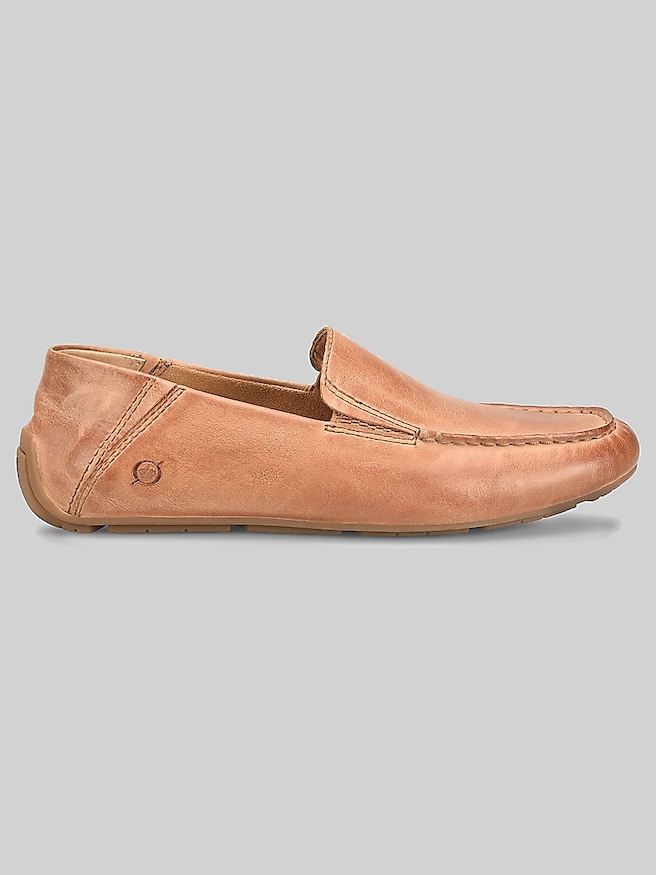
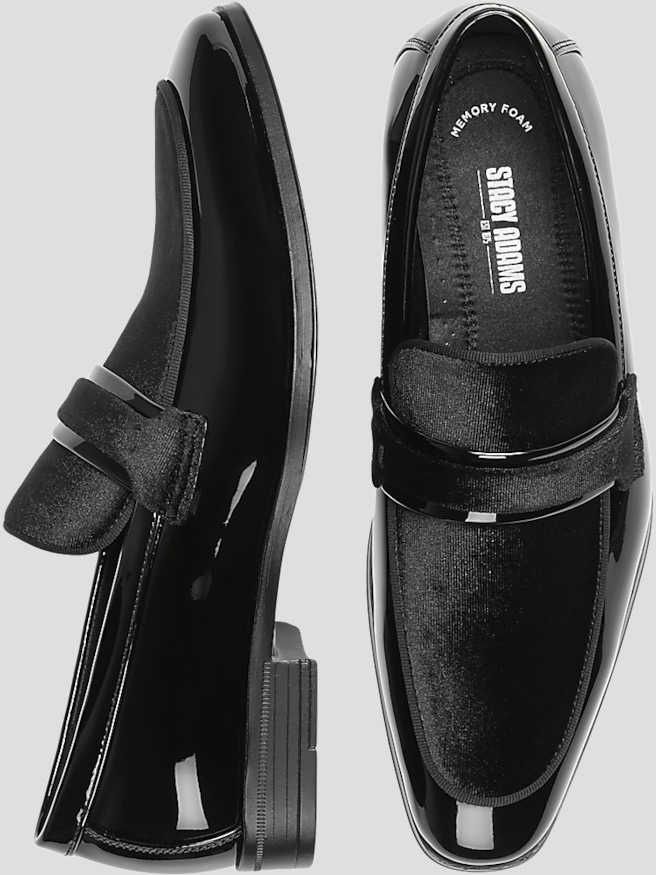
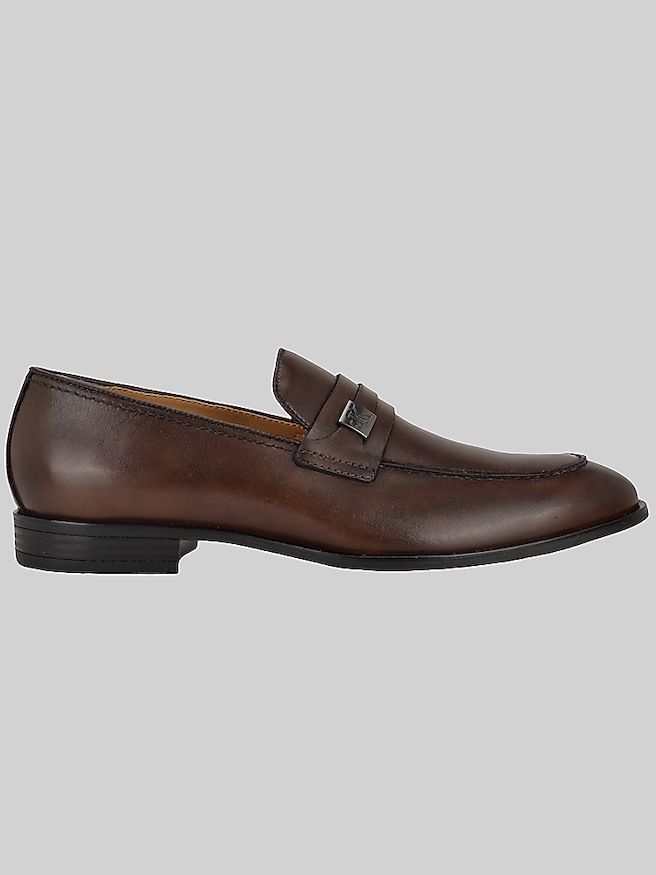
Comfortable brown loafers bring the ease of slip-on footwear to outfits that call for something more polished than sneakers. Their appeal comes from the balance of shape, materials, and underfoot comfort: a secure heel, enough room through the forefoot, and cushioning that feels supportive without crowding the shoe. Brown adds versatility, with shades ranging from light tan and warm chestnut to deep chocolate. A medium brown loafer works naturally with navy chinos, a tucked-in shirt, and a leather belt, while a darker shade can give charcoal trousers a softer finish than black footwear. With dark jeans and a knit polo, the same general silhouette feels relaxed without looking unfinished. Penny loafers have a clean strap across the upper, tassel loafers add movement and detail, and bit-style loafers introduce a small metallic accent. Each can work across several settings, though the overall profile matters as much as the decorative details. A slim sole and smooth leather upper tend to look dressier; a rounder toe and more substantial sole create a more casual impression. For outfits centered on tailored trousers, sport coats, or a suit in an appropriate setting, Brown Dress Loafers offer a closely related direction. Material also shapes the look and feel. Smooth leather can develop character with regular care, while suede has a soft, textured surface that pairs especially well with less structured clothing. Neither material guarantees comfort on its own; the lining, seams, footbed, and last—the form that gives a shoe its shape—all influence how a pair feels. A flexible upper may feel accommodating across the top of the foot, but it still needs the right proportions underneath. For men moving between a desk, a meeting room, and dinner afterward, that combination of an adaptable appearance and a comfortable fit is what makes brown loafers such a useful part of an everyday wardrobe.
Comfort in a loafer depends on more than a soft first step. Since there are no laces to adjust, the shape needs to hold the foot securely without pinching the toes or pressing firmly across the instep. The heel should stay reasonably settled during a normal stride, and the foot should not slide forward with every step. Excessive slipping can create friction, while a tight opening can become distracting after several hours. A little give in leather is normal, but a painful fit is not something to count on a break-in period to correct. Toe shape deserves attention, too: an elongated profile can look sleek while still needing enough usable width around the toes. Fit is best assessed with the socks intended for regular wear, whether that means fine dress socks with trousers or low-profile liners with casual pants. Liners should stay in place and cover contact points without bunching under the arch. Inside the shoe, cushioning can soften impact, while a contoured footbed may provide a more settled feel than a flat insert. More padding is not automatically better if it reduces interior space or allows the foot to shift. For anyone who uses a separate orthotic, a removable footbed and sufficient depth may be important considerations, though compatibility depends on the shoe and the insert. Outsole construction also changes the experience. Rubber soles can offer flexibility and grip for everyday movement, while leather soles often create a traditional, streamlined appearance; traction varies by design and surface. A shoe that bends near the ball of the foot can support a natural stride, but the middle should not feel unstable. Time on foot matters as well. Short walks between appointments place different demands on footwear than hours spent crossing a large office or standing at a reception. Comfortable brown loafers make the most sense when their cushioning, flexibility, and support match the actual day, rather than just the few steps taken while trying them on.
Good care helps brown loafers keep both their appearance and their comfortable feel. Smooth leather benefits from removing surface dust with a soft brush or cloth, followed by a suitable conditioner when the material needs it. Conditioner and polish serve different purposes: conditioning helps maintain suppleness, while an appropriate cream or wax can refresh color and finish. Any treatment should suit the leather and be tested in an inconspicuous spot first, particularly on lighter brown shades where a color change is easier to notice. Suede calls for its own approach, usually a dedicated brush and a cleaner formulated for the material rather than standard leather polish. Manufacturer care directions take priority, especially when uppers combine materials or have a distinctive finish. After wear, allowing the interior to dry naturally helps manage moisture from everyday use. Alternating pairs gives linings and footbeds time to air out, and properly sized shoe trees can help preserve the upper’s shape without overstretching it. A shoehorn protects the heel structure during entry, an easy habit that matters with a slip-on design. Durability also depends on details that may be less visible than the leather itself: secure stitching, cleanly finished seams, a stable heel, and an outsole suited to the surfaces it will meet. Some constructions allow professional resoling or other repairs, while others do not, so repairability is worth considering when long-term wear is a priority. Brown loafers can serve an office wardrobe, a graduation outfit, or a dinner look, provided the formality fits the occasion; they are not a substitute for footwear required by a strict dress code. They can also make a thoughtful gift for a husband, father, partner, or graduate whose size and style preferences are well understood. The strongest choice is one that fits the recipient’s real routine: polished enough for the clothes already in rotation, comfortable for the usual pace of the day, and straightforward to maintain between wears.