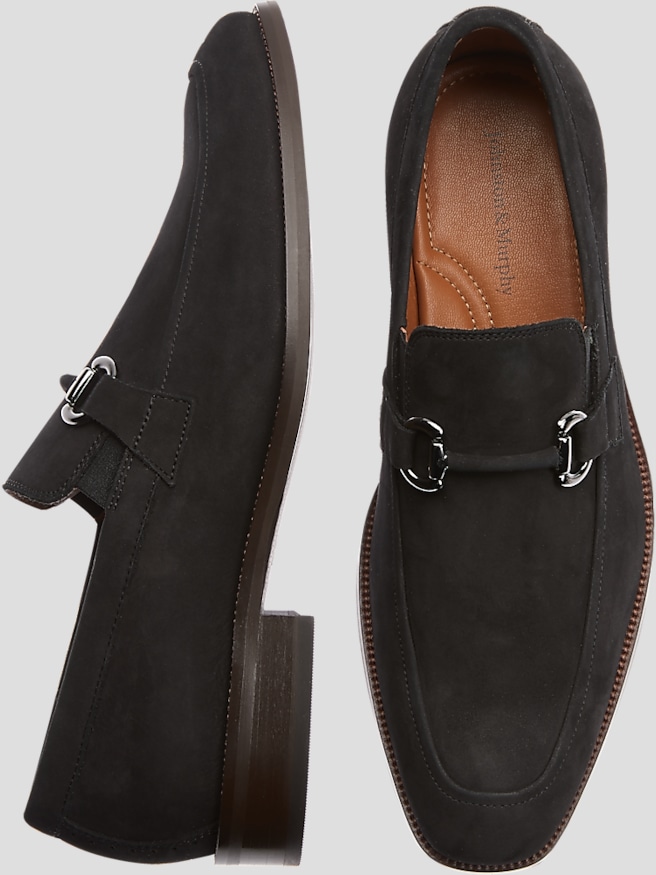
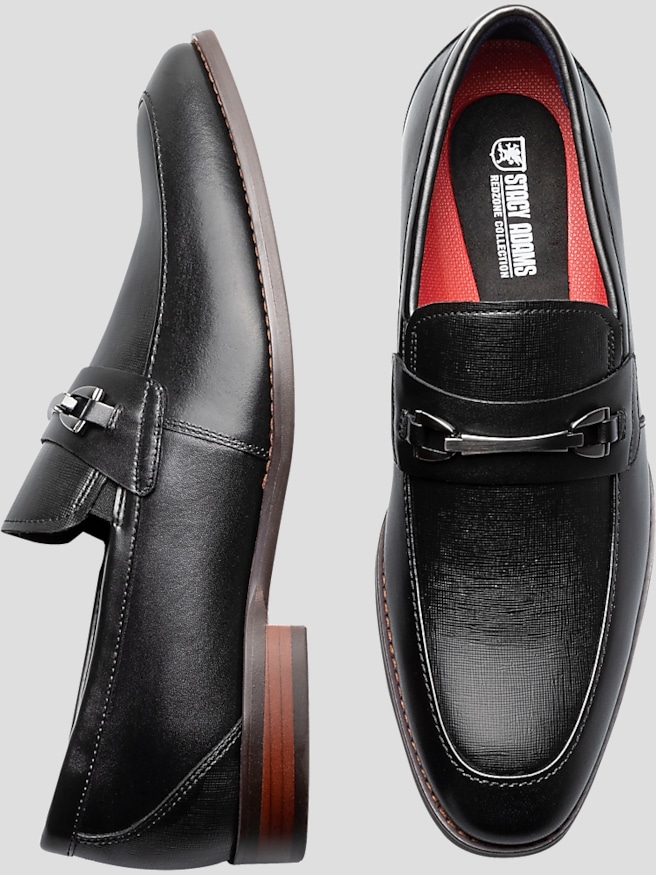
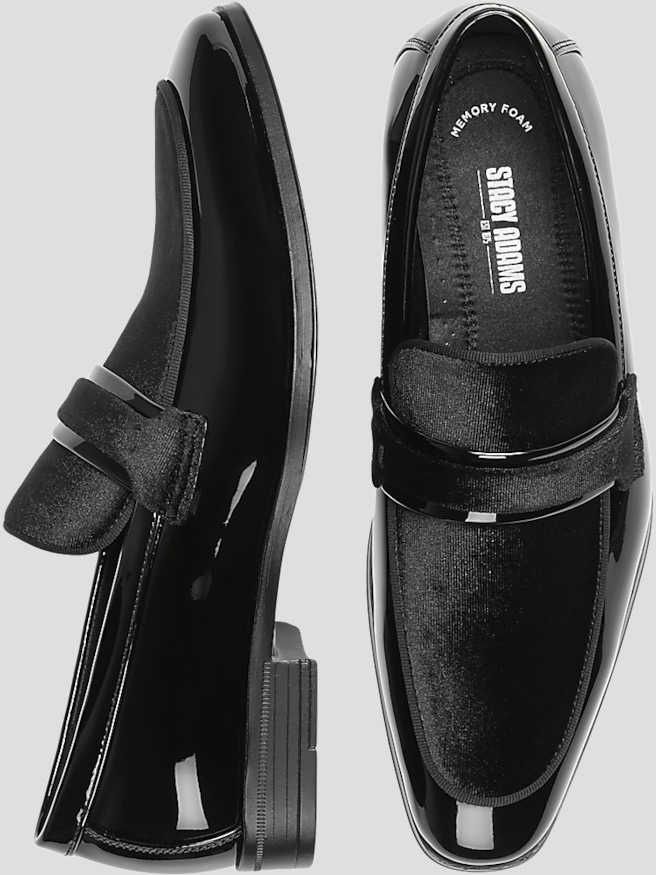
Premium leather loafers bring a clean, polished finish to an outfit without the structure of a lace-up dress shoe. Their appeal starts with the leather itself: a supple upper, a well-shaped vamp, and a finish that looks rich rather than heavily coated. Full-grain leather retains the hide’s natural surface and can develop a distinctive patina with wear, while top-grain leather has been lightly refined for a more consistent appearance. Neither label tells the whole story. Hide quality, tanning, finishing, and construction all influence how a loafer feels on the foot and how well it holds its shape. Smooth calfskin often suits a sleek dress silhouette because of its fine grain and pliability; pebbled leather gives the surface more texture and can make minor marks less noticeable. Suede, also a form of leather, offers a softer visual effect that leans toward relaxed tailoring. Inside the shoe, a smoothly finished lining, neatly covered seams, and a supportive footbed help make the slip-on design comfortable beyond a quick fitting. Construction deserves attention, too. Blake stitching can create a slim, flexible sole profile, while welted construction may make future resoling more practical. Repairability depends on the complete design, not simply the presence of visible stitching. Traditional moccasin construction uses leather that wraps beneath and around the foot, although added soles and internal components affect the finished shoe’s flexibility. Leather outsoles maintain a traditional dress-shoe appearance, while rubber outsoles can provide cushioning and grip, depending on their compound and tread. A leather sole with rubber inserts offers another balance of appearance and everyday function. Premium quality is most convincing when these details work together: even stitching, secure trim, comfortable interior finishing, and a shape that remains balanced from heel to toe. Decorative hardware or a glossy finish can add character, but neither replaces sound construction or a fit that feels secure through a full stride.
The versatility of Stylish Leather Loafers comes from the range of silhouettes within this familiar slip-on shape. Penny loafers have a slotted strap across the vamp and an understated appearance that works with chinos, wool trousers, and many business-casual outfits. Tassel loafers add movement and a more expressive detail, especially alongside pleated trousers or a softly structured sport coat. Horsebit loafers use metal hardware to create a distinct focal point, while plain-vamp designs keep attention on the leather and the shoe’s proportions. The toe shape, sole thickness, and height of the vamp matter as much as the decoration. A tapered profile with a modest sole generally looks more at home with tailored clothing; a rounded toe and substantial sole give casual trousers a stronger visual foundation. Black leather provides a crisp contrast with charcoal or gray, while dark brown brings depth to navy, olive, and earth tones. Lighter brown finishes can emphasize the leather’s grain and natural variation, creating a less formal impression even when the shape is sleek. A straight or gently tapered trouser leg allows the shoe’s outline to remain visible without crowding the vamp. Dress socks create a continuous line between trousers and shoes, while low-cut liners can support an exposed-ankle look where the setting permits it. These distinctions make leather loafers useful for office days, dinner reservations, graduation celebrations, and weddings with a dress code that welcomes them. A streamlined pair can complement a suit in many business or social settings, though strict formal dress may call for a different type of footwear. For a gift recipient building a professional wardrobe or refining an established one, loafers offer lasting usefulness when the style reflects how that person actually dresses. Familiarity with the recipient’s size, width, and preferred fit matters more than choosing the most decorative silhouette.
Fit is especially important with premium leather loafers because there are no laces to adjust the hold across the foot. The heel should feel secure, the instep should be comfortably supported, and the toes should have room to rest naturally without pressing against the front or sides. A little movement can occur as a stiff new sole begins to flex, but persistent heel lift, toe gripping, or a need to curl the foot to keep the shoe on suggests a mismatch. Leather can soften and adapt with wear; it should not be expected to correct a shoe that is too short or painfully narrow. Trying loafers with the type of socks intended for everyday use gives a more useful sense of fit, and checking both feet helps account for normal differences in size. Width and instep volume can be as influential as length, particularly in a low-cut shoe. Once the fit is right, consistent care helps preserve the leather’s appearance and the structure beneath it. Dust and surface grit can be removed with a soft brush or cloth before they work into creases. Smooth leather benefits from occasional conditioning with a formula suited to its finish, followed by an appropriate cream or polish when needed. Testing any treatment on an inconspicuous area helps avoid unwanted changes in color or sheen. Suede needs its own brush and compatible care treatments rather than smooth-leather polish. After wear, cedar shoe trees can help absorb residual moisture and support the shape, while allowing shoes to rest between outings gives the interior time to dry. Damp leather should air-dry away from direct heat. Pulling on loafers with a shoehorn also protects the heel counter from being crushed. Scuffed edges, worn heel tips, or thinning soles are worth addressing before damage reaches the upper. With suitable construction, attentive care, and a rotation that matches their intended use, leather loafers can develop character while keeping their place in a well-considered wardrobe.