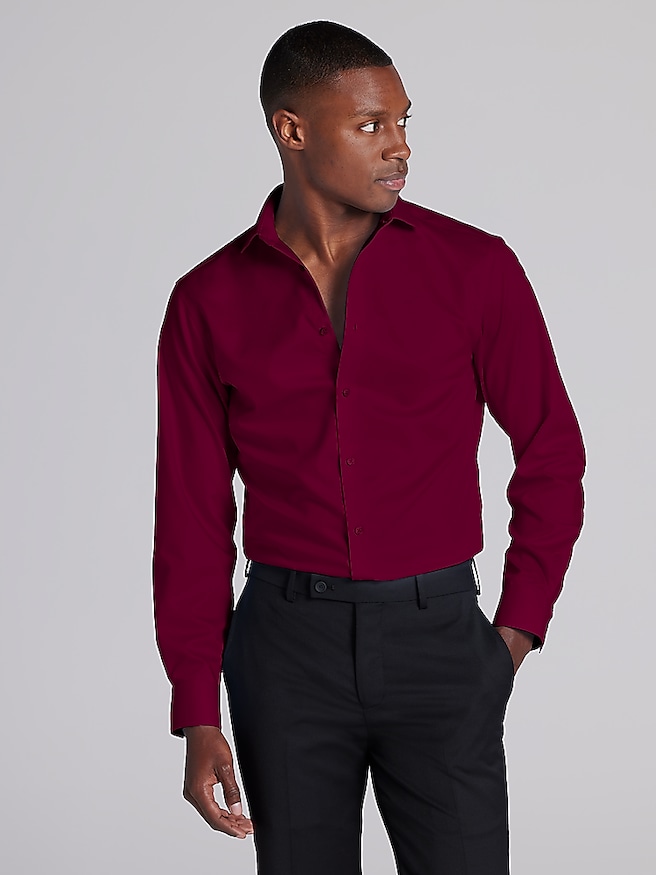
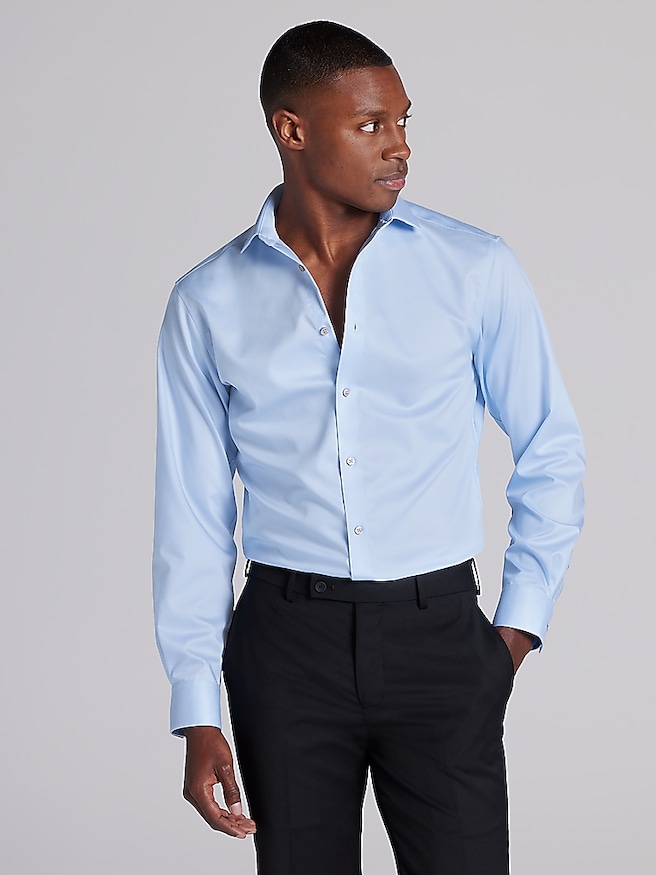
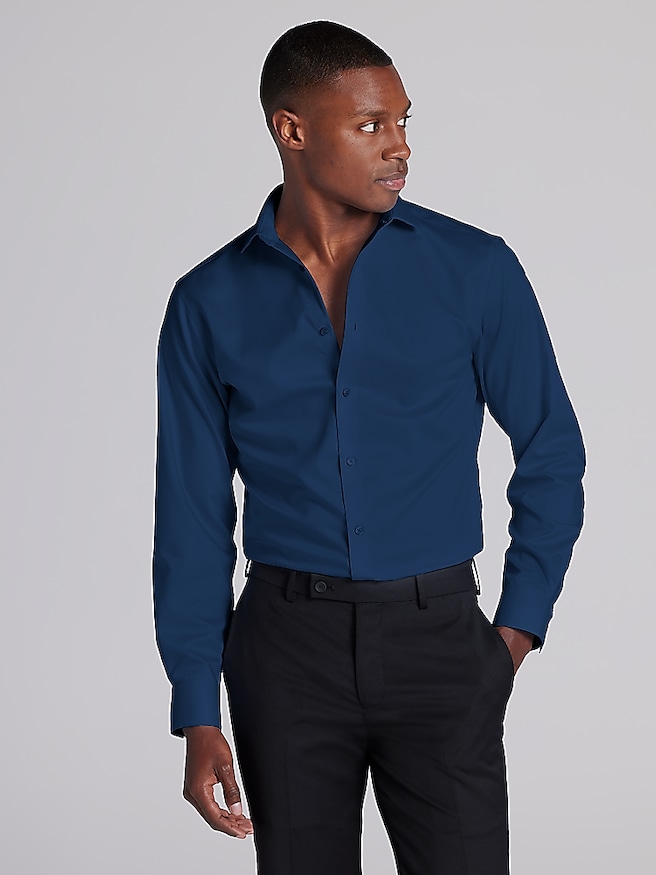
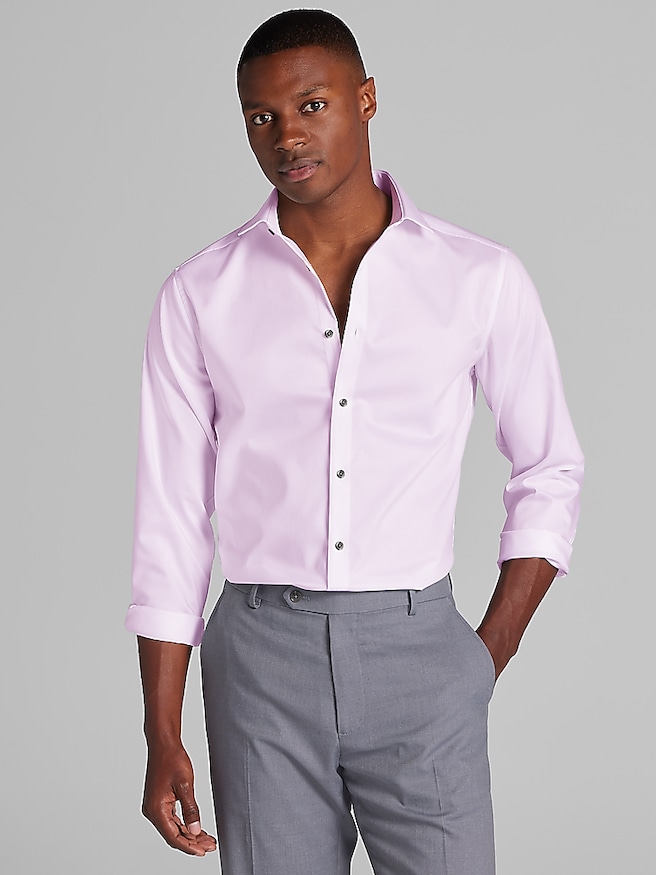
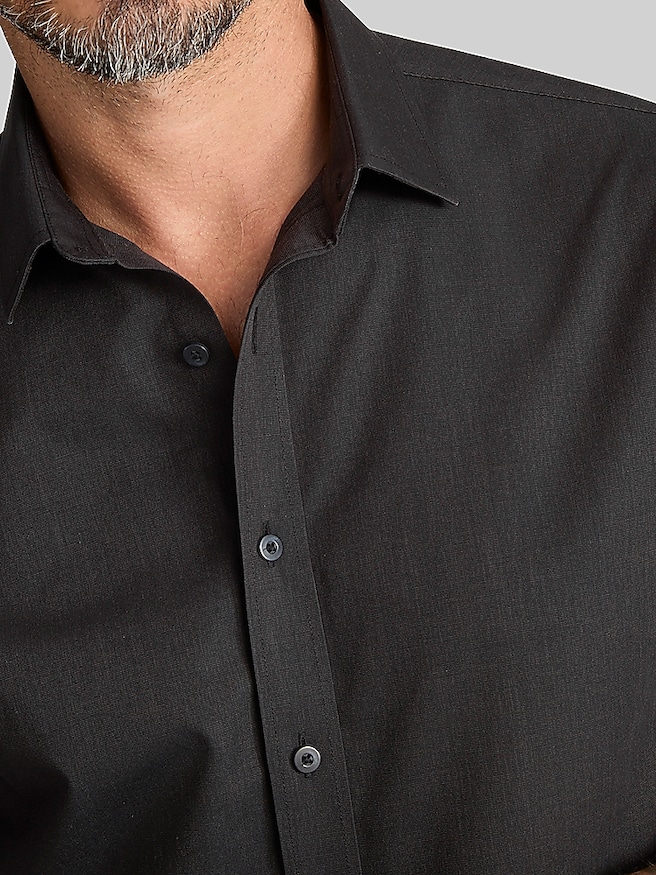
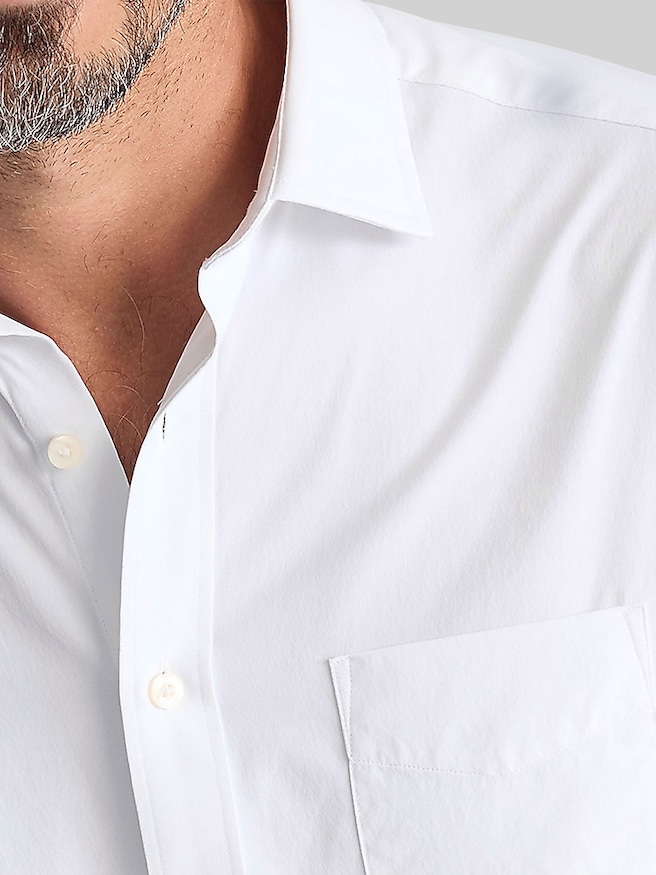
Structured shirts are designed for a clean, composed appearance that holds its shape from the first button to the end of the day. Unlike softer shirts that drape closely or relax with wear, a structured shirt typically uses a firm fabric, a tailored cut, and internal support in key areas to create a sharper outline. Tight cotton weaves, compact twills, oxford cloth, and structured knits can give the shirt substance without making it feel stiff or uncomfortable. Reinforced collars stand neatly beneath a jacket or sweater, while supported cuffs keep their shape at the wrist and add definition when sleeves are rolled or left buttoned. Some styles are made to be tucked into dress trousers for business settings, ceremonies, dinners, and formal events; others offer a more relaxed interpretation that works naturally with chinos, dark denim, or tailored five-pocket pants. When choosing a structured shirt, start with the role it needs to play in your wardrobe. A shirt intended for the office may benefit from a smooth, tightly woven fabric that layers easily beneath a suit jacket, while a smart-casual option can have a little more texture and room through the body. The best fit should follow the shoulders without pulling across the chest, allow comfortable movement through the arms, and sit cleanly at the collar when fully buttoned. A well-proportioned hem should stay tucked during normal movement without creating excess fabric around the waist, yet remain long enough to wear untucked when the cut is designed for it.
Structured shirts are especially useful during the cooler months, when getting dressed often means building an outfit in layers. A crisp collar can add polish beneath a merino sweater, overshirt, or sport coat, and a substantial weave can provide a comfortable transition between indoor warmth and brisk outdoor air. For a workday, pair a solid structured shirt with wool trousers and leather dress shoes for a traditional office look, or choose chinos and loafers for a less formal setting. On a weekend, a tailored shirt with dark jeans creates the same neat, intentional effect without feeling overdressed. Color and pattern also influence how often a shirt can be worn. White, pale blue, soft gray, and understated earth tones tend to coordinate with a broad range of jackets and trousers, while subtle stripes, checks, or textured weaves can bring personality to a simple outfit. If you enjoy distinctive neckwear or want a shirt to stand apart beneath a jacket, explore Patterned Collar Shirts for another way to add visual interest. Consider the collar shape as carefully as the color: a wider spread can balance a longer face and sit confidently beneath a jacket, while a narrower point collar can create a more streamlined appearance. Cuff style, button placement, and placket construction matter as well, particularly when the shirt will be worn in professional or formal surroundings. These small details are often what make an outfit look finished rather than simply assembled.
A structured shirt can also make a thoughtful gift for a partner, family member, graduate, or colleague beginning a new role. It is practical enough for regular wear but polished enough to mark an important occasion, whether that means a first office job, a season of celebrations, a wedding-related event, or a refreshed wardrobe for the cooler part of the year. If you are selecting one as a gift, focus on versatile colors, familiar fits, and the recipient’s usual way of dressing. A person who favors tailored suits may appreciate a firmer collar and a close, tucked-in silhouette, while someone with a relaxed wardrobe may prefer a structured oxford or knit that can be worn open at the neck with jeans. Checking the collar size, sleeve length, and preferred fit before purchasing can make the difference between a shirt that stays in rotation and one that remains in the closet. For everyday care, follow the garment’s instructions, wash similar colors together, and avoid leaving a damp shirt bunched in a hamper. Smooth the collar and cuffs while the shirt is still slightly damp, then hang it on a sturdy hanger so the shoulders keep their shape. Light pressing can restore a crisp finish, while excessive heat may wear down fibers or affect the internal support that gives the shirt its structure. With the right fit, fabric, and care, structured shirts provide a dependable foundation for dressed-up occasions, weekday routines, and layered outfits throughout the changing season.