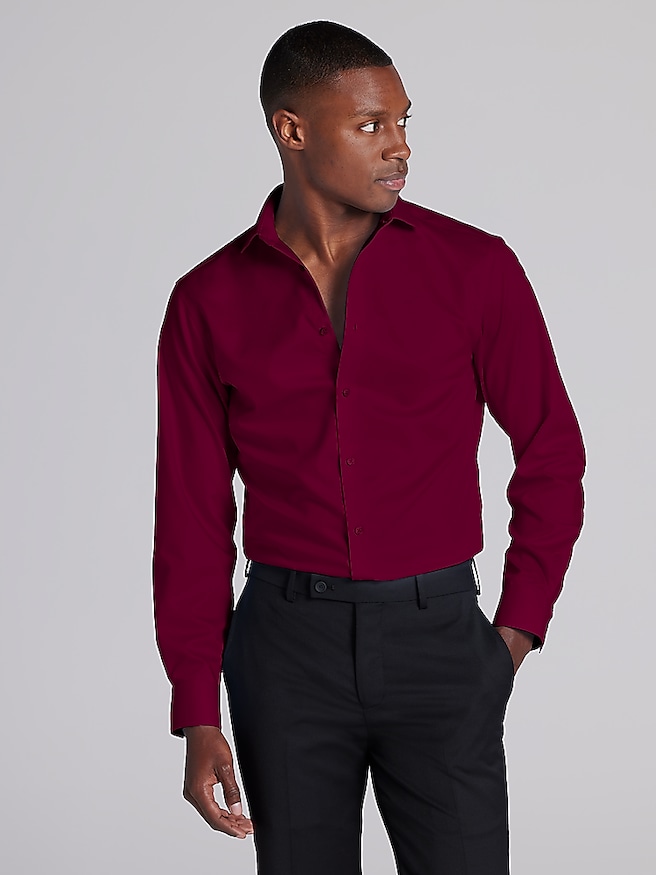
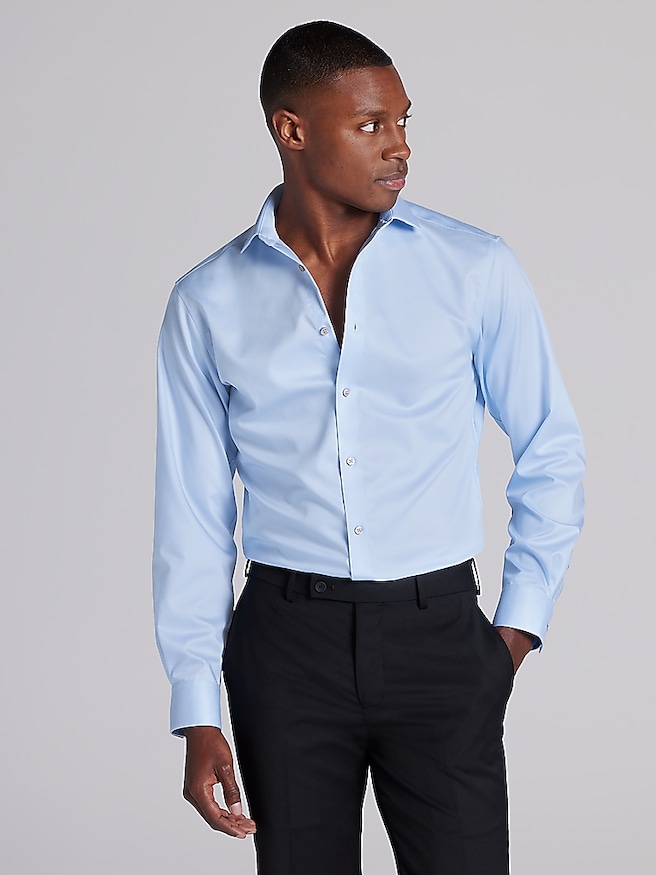
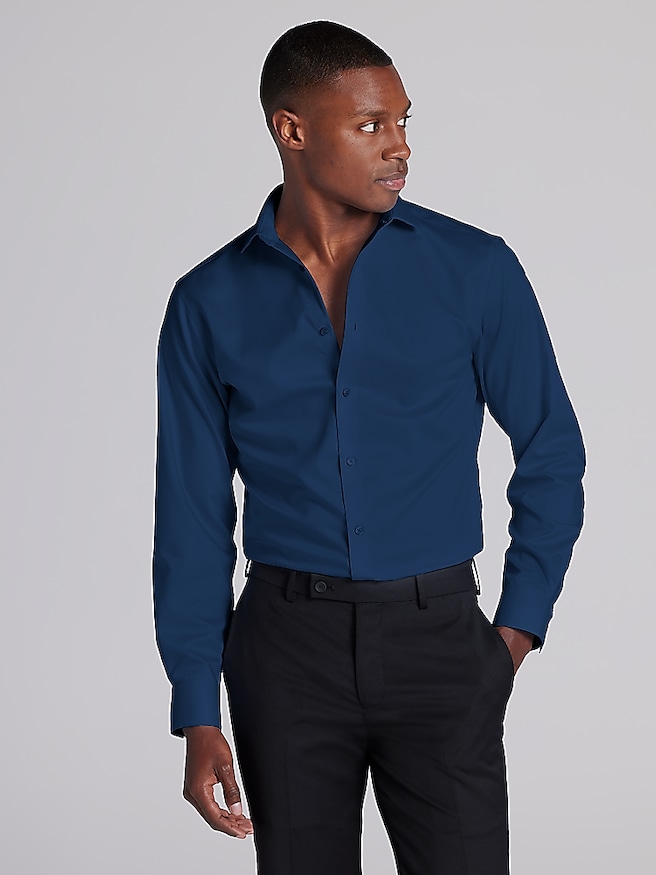
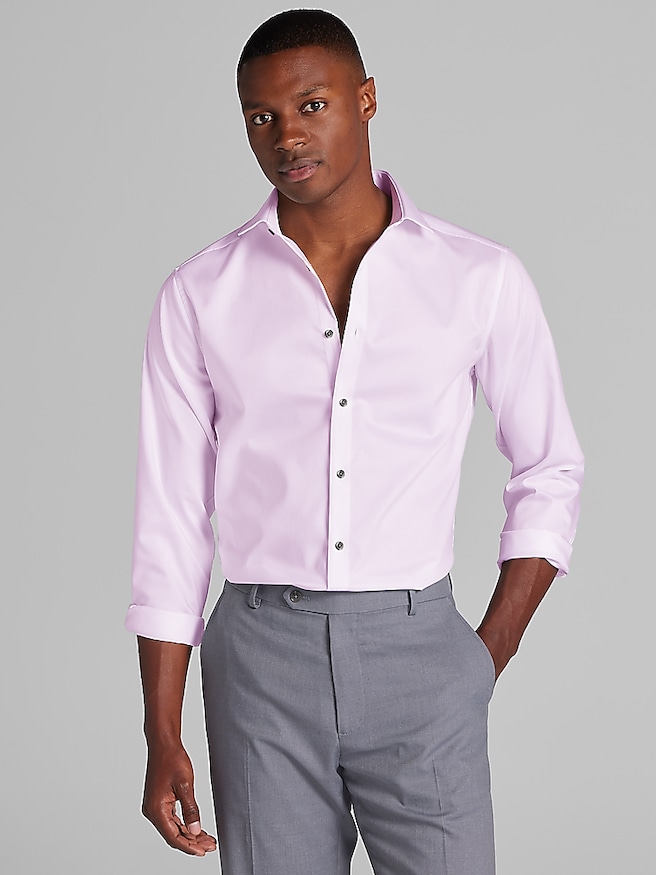
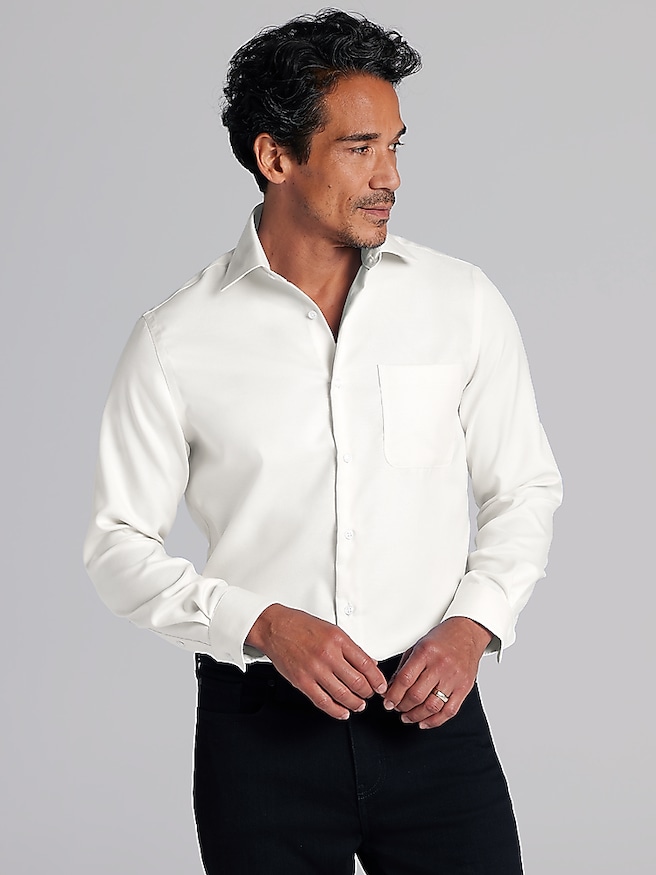
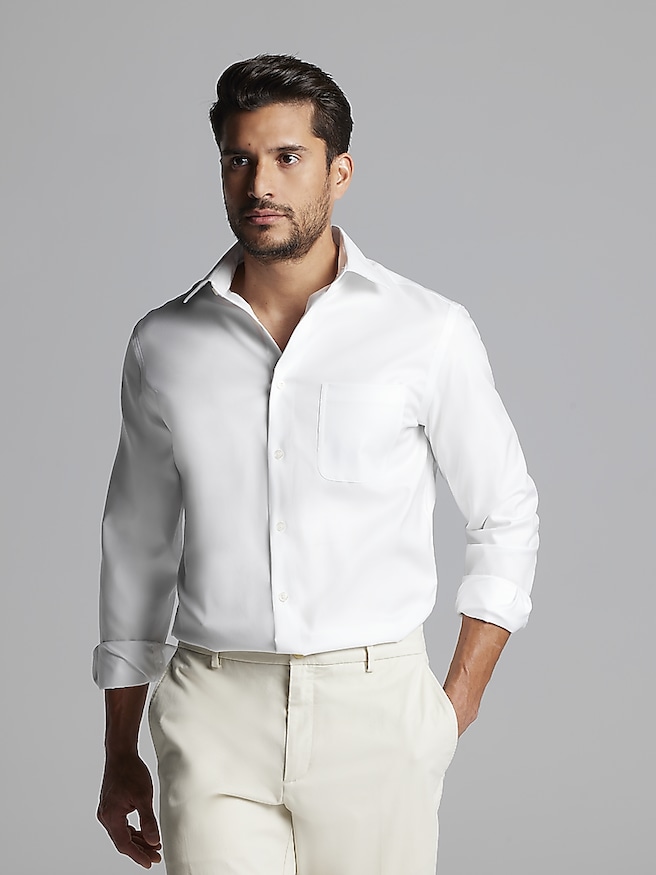
Traditional shirts are a dependable foundation for a well-dressed wardrobe, combining familiar silhouettes, versatile colors and practical details that have remained relevant across generations. In many retail collections, “traditional” refers to a classic or fuller cut that offers comfortable room through the chest, waist and sleeves without looking oversized. This shape is especially useful for men who prefer ease of movement, wear their shirts tucked in or spend long hours at work, celebrations or formal gatherings. Traditional shirts may include crisp dress shirts in broadcloth, poplin or Oxford cloth, as well as relaxed button-downs, collarless heritage-inspired designs and shirts influenced by regional clothing traditions. Common details include a pointed or spread collar, button cuffs, a curved hem and a structured front that can be worn with a tie or left open at the neck. Solid white and light blue remain reliable choices for professional wardrobes, while soft stripes, windowpanes, checks and subtle woven textures add personality without giving up versatility. Richer colors and more distinctive patterns can bring warmth to an outfit during the cooler months, particularly when paired with wool trousers, dark denim, corduroy or a tailored jacket. For a smoother, cleaner appearance under suiting and knitwear, explore Smooth Shirts, which can complement the classic feel of traditional dress shirts while keeping the overall look streamlined.
The most important consideration when choosing a traditional shirt is the balance between comfort, proportion and occasion. Begin with the collar: when fastened, it should sit comfortably around the neck with enough room for a finger or two, while the collar points should rest neatly beneath a jacket or tie knot. Shoulder seams should land close to the natural edge of the shoulder, and the cuffs should reach the wrist bone without disappearing beneath a blazer sleeve. A traditional fit should provide breathing room across the midsection, but the fabric should not pull noticeably across the buttons or billow excessively at the sides. Men who are between sizes may find that collar and sleeve measurements are more useful than relying on a general size alone. Fabric also changes how a shirt feels and performs. Cotton poplin has a smooth, lightweight hand and a polished appearance, broadcloth offers a fine surface suitable for business dressing, and Oxford cloth brings a slightly more textured, substantial feel that works well with chinos and casual tailoring. Blended fabrics may offer wrinkle resistance and easy care, which is helpful for travel, commuting or busy routines, while natural fibers can provide a familiar softness and breathable feel. Before purchasing, consider whether the shirt will be worn tucked or untucked, beneath a suit or sport coat, or layered over a fine-gauge sweater. A longer shirt with a curved hem generally stays secure when tucked in, while a shorter, even hem can look more intentional when worn loose. Traditional shirts can also be selected according to the way they will be maintained: wrinkle-resistant options are practical for a suitcase, while shirts with a crisp finish may be worth the extra care when a particularly sharp presentation matters.
Traditional shirts serve a wide range of wardrobes and occasions, from weekday business attire to family photographs, ceremonies, dinners and seasonal gatherings. A classic white shirt can anchor a dark suit for an interview, wedding or formal evening, then take on a more relaxed character with navy trousers and an open collar. Pale blue and understated patterns are useful for office rotation because they coordinate easily with gray, navy, tan and brown. Checks and textured weaves bring a more approachable feel to weekend dressing, especially when layered beneath a quilted vest, overshirt or casual jacket as the weather turns cooler. For men attending heritage celebrations, cultural events or destination gatherings, a shirt with embroidery, regional patterning or a collarless silhouette can provide a meaningful connection to tradition while remaining comfortable and wearable. These styles may be made from cotton, linen or fabric blends, and their visual character often comes from patterned cloth, decorative stitching, distinctive plackets or relaxed proportions. Because traditional shirts can be both practical and personal, they make thoughtful gifts for fathers, sons, partners, graduates and professionals beginning a new role. A solid shirt in a familiar size is an easy choice for someone building a first work wardrobe, while a textured fabric or expressive pattern can suit a man whose closet already includes the essentials. When selecting a gift, look at the recipient’s usual collar style, preferred fit, sleeve length and color palette, and consider the settings in which he is most likely to wear it. A versatile shirt should feel at home beneath a jacket, tucked into tailored trousers or paired with jeans, giving the wearer several ways to make it his own. With proper care—following the laundering instructions, removing the shirt promptly from the dryer and storing it on a sturdy hanger—traditional shirts can maintain their shape and polished appearance through changing routines and seasons.