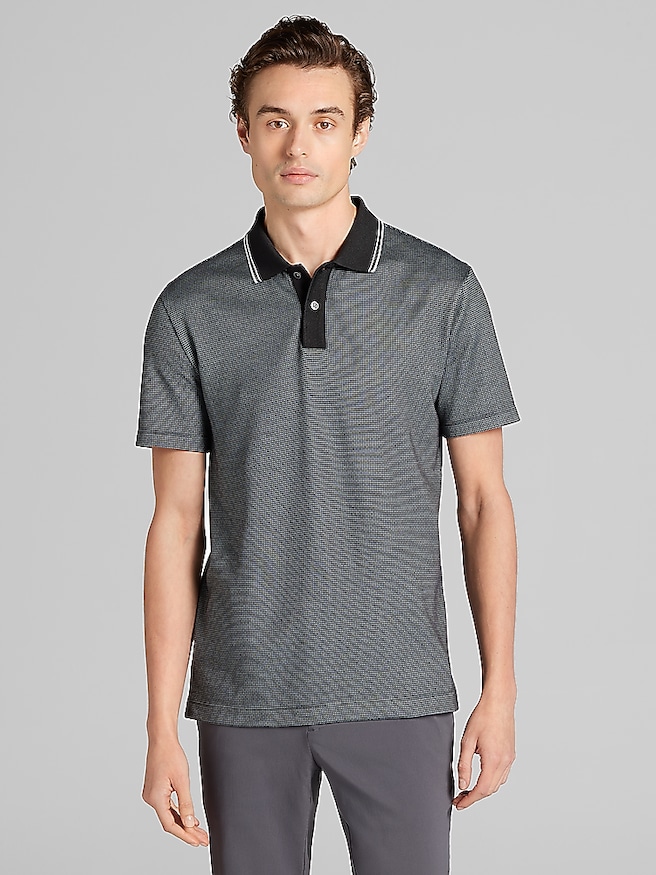
Patterned collar shirts combine the structure of a collared silhouette with the visual interest of stripes, checks, florals, paisleys, and geometric prints. The collar gives the shirt a defined finish, while the pattern can make an outfit feel understated, expressive, or somewhere in between. Fine stripes and small checks often suit office settings, presentations, and dinners where a solid shirt might feel too plain. Larger plaids, botanical motifs, and abstract designs have a stronger visual presence, making them a natural fit for casual gatherings, concerts, and celebrations with a relaxed dress code. Pattern scale matters as much as the motif itself: a closely spaced design can appear almost solid from across a room, then reveal its detail in conversation. For that quieter effect, Small Pattern Shirts bring subtle detail to outfits built around simple trousers, denim, or an unstructured jacket. Color also influences versatility. A blue-and-white check works easily with navy trousers, while an earthy paisley can pick up the brown tones in leather shoes or a belt. Repeating one color from the shirt elsewhere in the outfit creates a connection without requiring an exact match. With a bolder print, solid pants and a jacket give the design space to stand out. With a patterned jacket, a finer shirt pattern can provide contrast without competing at the same scale. A tie generally looks more deliberate when its pattern differs noticeably in size from the shirt beneath it, with a shared color connecting the two. Collar shape changes the overall impression, too. Button-down points tend to feel relaxed and stay anchored, while a spread or point collar can create a dressier frame for a tie. An open collar offers an easy finish for dinner or a social event where neckwear is not expected. The result is a category with room for both familiar everyday dressing and a little more personality, without relying on elaborate styling.
Fabric and fit determine how a patterned collared shirt feels through a full day of wear. Cotton is a common choice for its softness and absorbency, while cotton blends may add stretch, easier wrinkle recovery, or other practical qualities depending on their composition and finish. Poplin typically has a smooth, closely woven surface that gives fine checks and crisp prints clear definition. Oxford cloth has a more noticeable basket-weave texture and often lends a casual character to stripes and checks. Twill has a diagonal weave that can give the fabric a softer drape, although weight and finishing also influence its feel. Lightweight linen blends have a textured appearance and a tendency toward relaxed creasing, which suits less formal outfits. Stretch fabrics can make reaching, sitting, and moving more comfortable, but stretch does not replace a well-proportioned cut. A slim fit generally sits closer through the torso, while a classic or relaxed fit leaves more room across the chest and waist; exact measurements vary by maker. On a traditionally cut shirt, shoulder seams should sit near the shoulder edge, and the front should lie smoothly without pulling between the buttons. Comfortable sleeve width leaves room to bend the elbows, and a properly fitted collar should close without pinching the neck. For shirts worn tucked in, sufficient length helps the hem stay in place when reaching for a shelf or sitting through a meeting. An untucked style usually benefits from a shorter hem that does not overwhelm the pants beneath it. Construction details matter alongside fit: even stitching, secure buttons, and neatly finished seams support repeated wear. Yarn-dyed patterns use colored threads to form the design, while printed patterns apply a design to the fabric; neither method alone determines quality. Fabric density, finishing, and care all affect how a shirt holds its shape and appearance over time. A smooth placket and a collar that sits evenly can make even an expressive print look composed.
Patterned shirts can earn a regular place in a wardrobe because the same design often works across several everyday settings. A small check beneath a solid suit adds interest for an office day, then looks less formal with the jacket removed for dinner. A floral or geometric shirt paired with clean dark denim creates a more expressive outfit for a birthday gathering or a night out. Short sleeves give patterned shirts a distinctly casual profile, while long sleeves allow for a buttoned cuff under a jacket or a neatly rolled sleeve in a relaxed setting. For travel, fabric that recovers well from creasing can simplify unpacking, though any wrinkle-resistant or easy-care treatment should be confirmed on the garment label rather than assumed from the pattern. Care is especially important when contrasting colors and clear printed details are part of the appeal. The label provides the right washing, drying, and ironing directions for the fabric and finish. Sorting by color, treating marks promptly with a fabric-appropriate method, and avoiding unnecessary heat can help preserve appearance. Excess detergent may leave residue, and overloading a washer can increase friction and creasing. If machine drying is permitted, removing the shirt promptly can reduce set-in wrinkles; if ironing is needed, the recommended heat setting helps protect both fabric and design. A suitable hanger supports the shoulders between wears, while allowing a shirt to dry fully before storage helps keep it fresh. These practical details also make patterned collared shirts a thoughtful gift for someone who enjoys dressing with personality. A familiar color palette, a known collar or chest measurement, and a pattern close to the recipient’s usual style are more useful starting points than choosing the boldest design. For someone who usually wears solids, a fine stripe or miniature geometric print can feel approachable. For an experienced pattern wearer, a larger motif offers another way to make an everyday outfit distinctive while keeping the comfort and structure of a collared shirt.