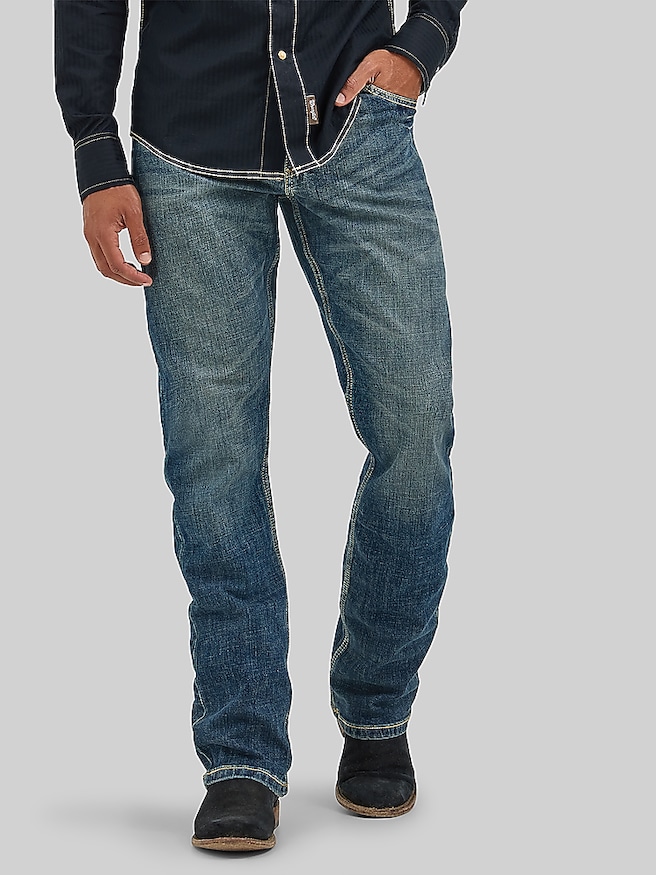
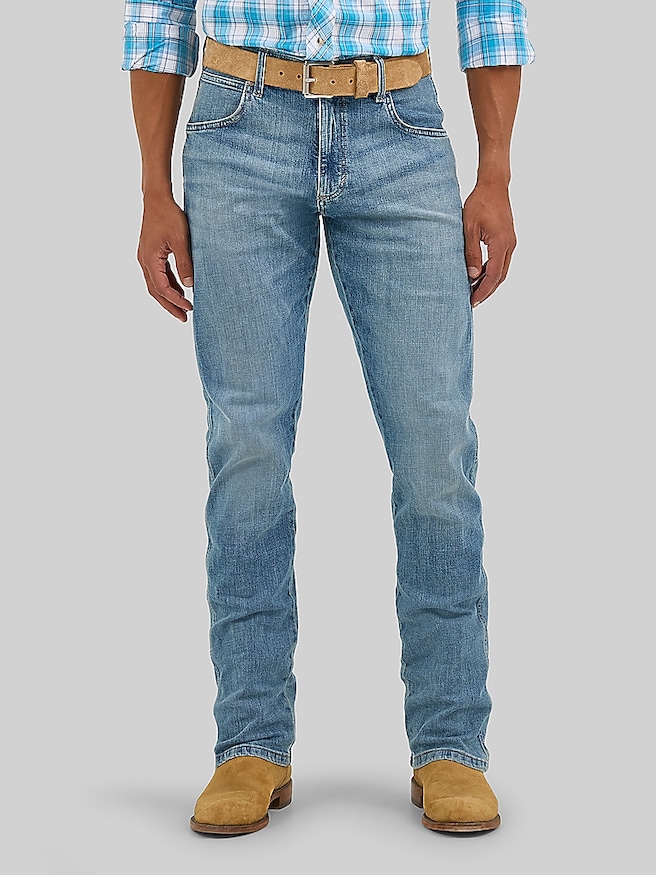
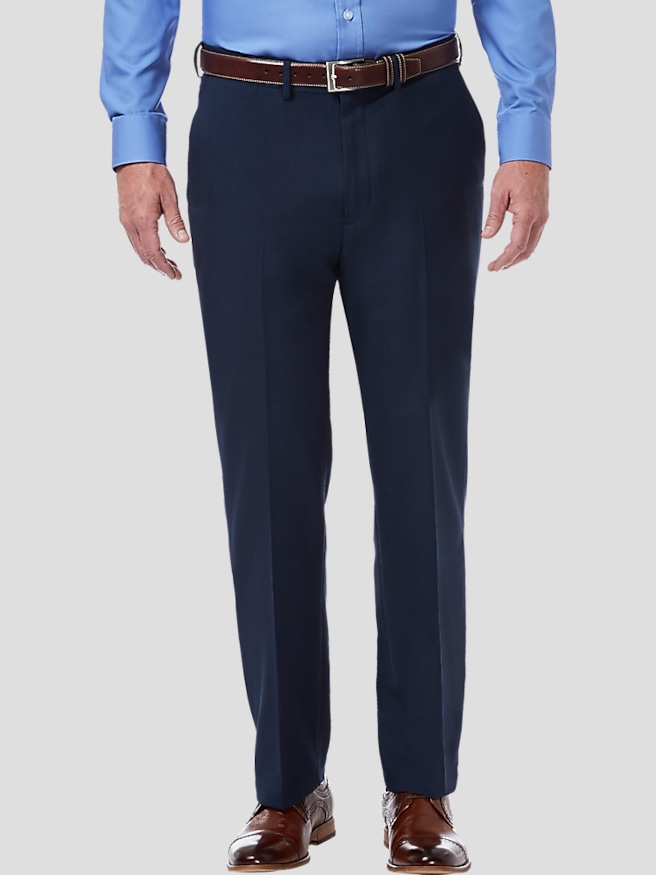
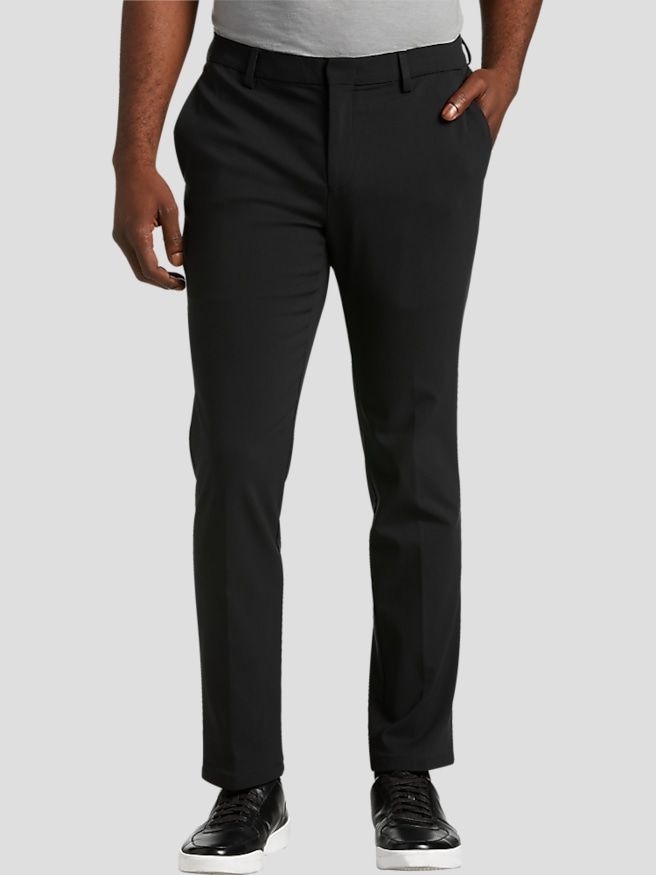
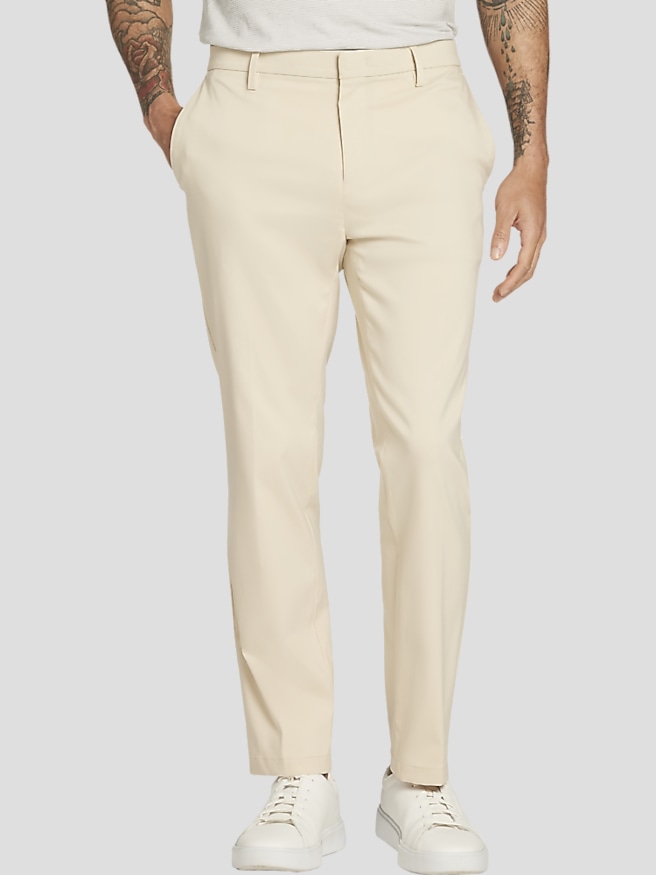
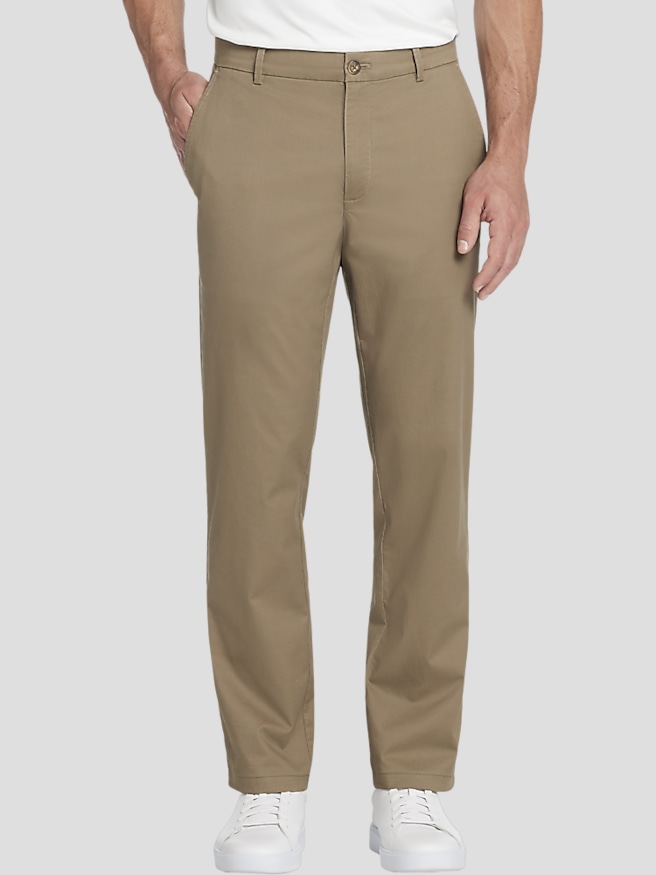
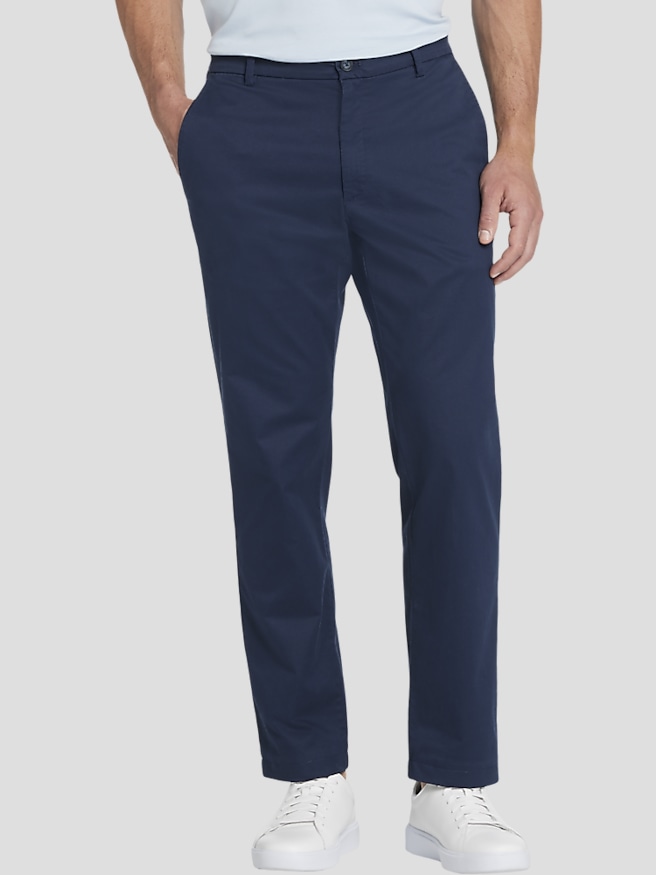
Stretchy chinos combine the clean appearance of chino pants with fabric that gives as the body moves. They typically feature a woven construction, often cotton twill blended with elastane or spandex, although other blends can provide a similar balance of structure and flexibility. The result is a pair of pants that can look appropriate with a tucked-in button-down while feeling less restrictive when sitting at a desk, climbing stairs, or stepping into a car. Traditional chino details, including slanted front pockets, a zip fly, belt loops, and understated back pockets, help maintain a polished appearance without the formality of suit trousers. Cotton contributes a familiar feel and breathability, while stretch fibers add give; polyester or nylon in a blend may contribute strength, shape retention, or quicker drying, depending on the construction. Stretch content alone does not tell the whole story. Fabric weight, weave, finishing, and the cut of the pants all influence how they feel and move. Two-way stretch generally allows movement along one axis, while four-way stretch allows movement both across and along the fabric. Neither description automatically means a better fit, and flexibility should be balanced with recovery: the fabric’s ability to return toward its original shape after stretching. Good recovery helps limit a loose-looking seat or bagging at the knees after hours of wear. Wrinkle resistance, moisture management, and easy-care performance are separate characteristics rather than guaranteed features of every stretch fabric, so garment details matter. For a wardrobe that moves between office hours and personal plans, Men's Stretch Chinos offer a useful middle ground between denim and dress pants. Their appeal comes from that balance: enough structure for a neat silhouette, enough flexibility for everyday movement, and a straightforward design that works with clothing already in regular rotation. A smooth, matte finish usually reads as more understated than a noticeable sheen, while the texture of twill can add subtle depth to an otherwise simple outfit.
The right fit lets stretchy chinos move comfortably without asking the fabric to compensate for a waistband, seat, or thigh that is too tight. A waistband should sit securely at the intended rise without digging in when seated, and the front pockets should lie reasonably flat rather than flare open. Horizontal pulling across the hips or pronounced tension around the fly can indicate that more room is needed. Slim fits create a close silhouette but should still allow natural movement through the thigh and knee. Straight fits keep a more consistent line down the leg, while tapered cuts narrow toward the ankle. Athletic fits generally provide additional room through the seat and thighs, often with a narrower lower leg, though fit names and measurements vary. Rise also changes the experience: a higher rise can offer more coverage when sitting or tucking in a shirt, while a lower rise rests farther down the hips. Length deserves equal attention. A slight break over loafers or lace-up shoes creates a familiar business-casual finish, while little or no break gives sneakers a cleaner frame. Excess fabric collecting at the ankle can interrupt the line of otherwise well-fitting pants. Beyond fit, color makes stretchy chinos especially adaptable. Khaki, navy, gray, and olive coordinate easily with solid shirts, textured knits, and simple jackets. A navy pair with a pale blue shirt and brown shoes can suit an office with a business-casual dress code; an olive pair with a plain T-shirt and understated sneakers feels more relaxed for lunch or errands. A fine-gauge sweater or an unstructured sport coat adds polish without making the outfit feel stiff. These pants are also practical for travel days that involve long stretches of sitting followed by walking, provided the chosen fit allows comfortable movement. They are not a substitute for required formal attire or specialized exercise clothing, but they cover many everyday situations where jeans feel too casual and tailored dress trousers feel unnecessary.
Long-term comfort depends as much on construction and care as on the initial feel of the fabric. Secure stitching around pocket openings, belt loops, and the seat supports areas that experience repeated tension, while a smoothly operating zipper and a firmly attached waistband closure contribute to dependable daily wear. Pocket design matters in use, too: a phone or bulky wallet can pull at lightweight fabric, change the silhouette, and place extra stress on seams. Stretchy chinos should feel flexible without relying on constant strain, and choosing a little more room can be more comfortable than sizing down simply because the fabric stretches. For care, the garment’s label takes priority over general advice, since fiber blends and finishes respond differently to washing, drying, and pressing. When machine washing is permitted, turning pants inside out and washing with similar colors can help reduce surface abrasion and color transfer. Excessive heat can shorten the useful life of stretch fibers, making the recommended drying temperature important. Promptly removing pants from the washer or dryer and smoothing the legs can reduce set-in creases; air drying may be appropriate when the label allows it. If pressing is needed, the recommended iron setting helps protect the fabric, and a pressing cloth can reduce the chance of shine. Stains are easier to address before they become established, but any treatment should be compatible with the fabric and care instructions. These details make stretch chinos a useful choice for commuters, office workers, frequent travelers, and anyone who wants a neat appearance through a full day of ordinary movement. They can also be a thoughtful gift for a father, partner, or recent graduate building a flexible everyday wardrobe, especially when the recipient’s waist measurement, preferred rise, and usual inseam are known. Familiar colors and a fit similar to pants already worn regularly make the choice more personal. The strongest foundation is simple: comfortable proportions, fabric suited to the intended use, and care that preserves both the clean appearance and the give that makes stretchy chinos distinctive.