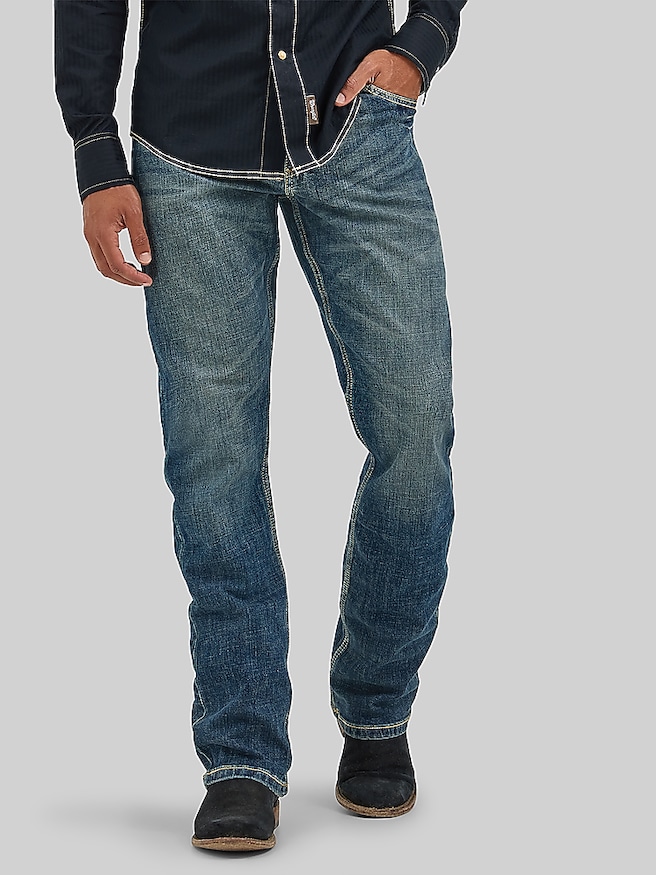
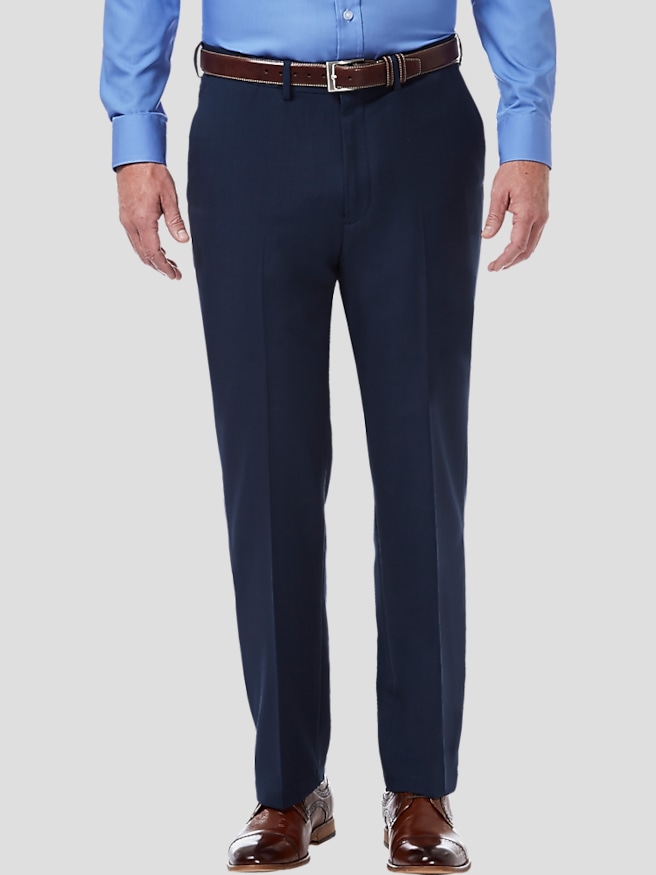
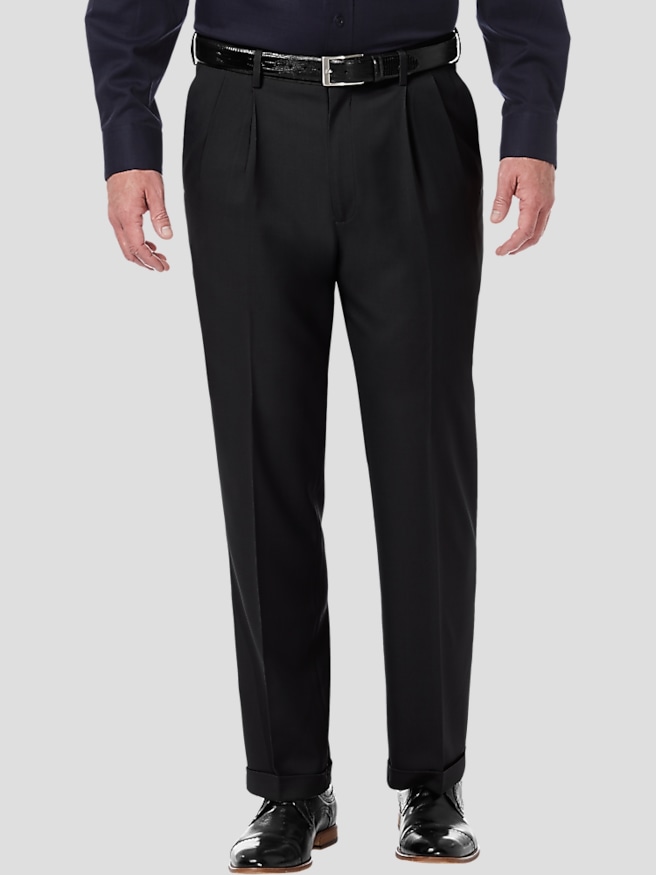
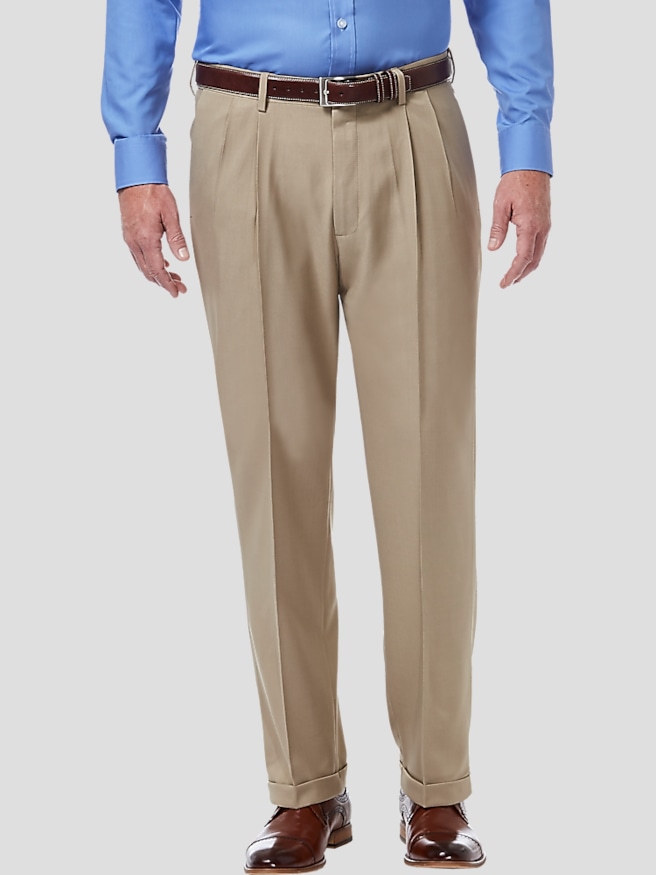
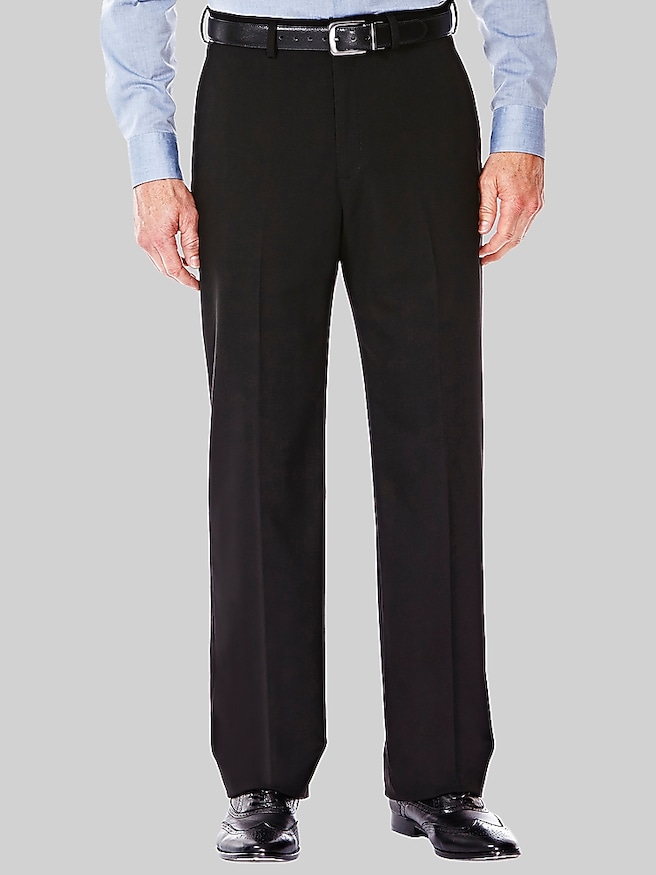
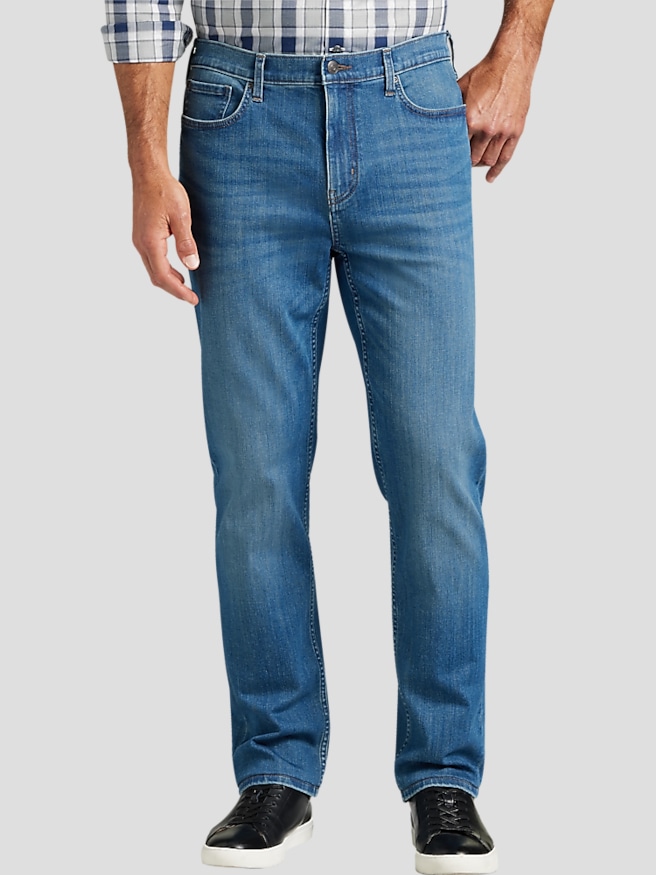
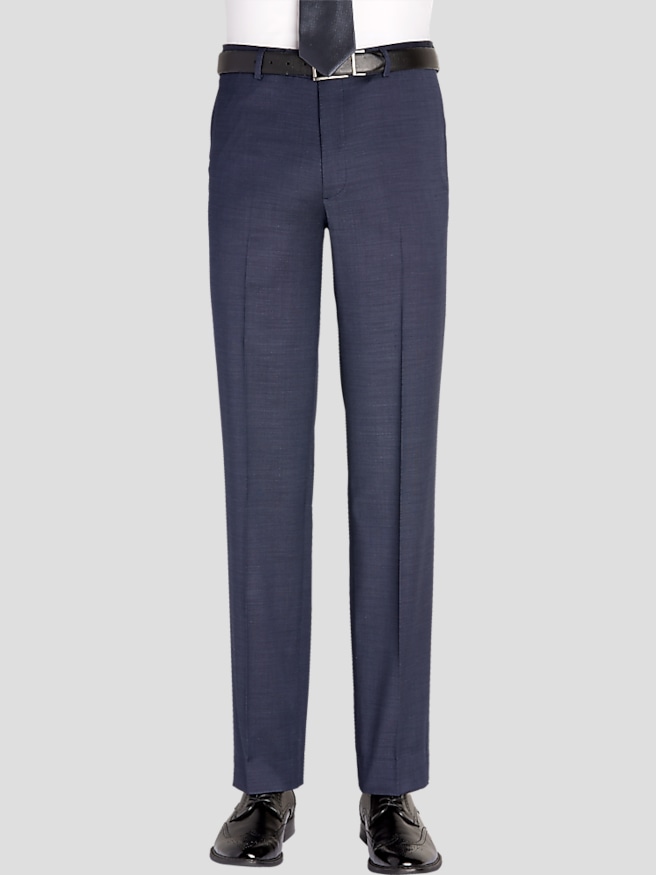
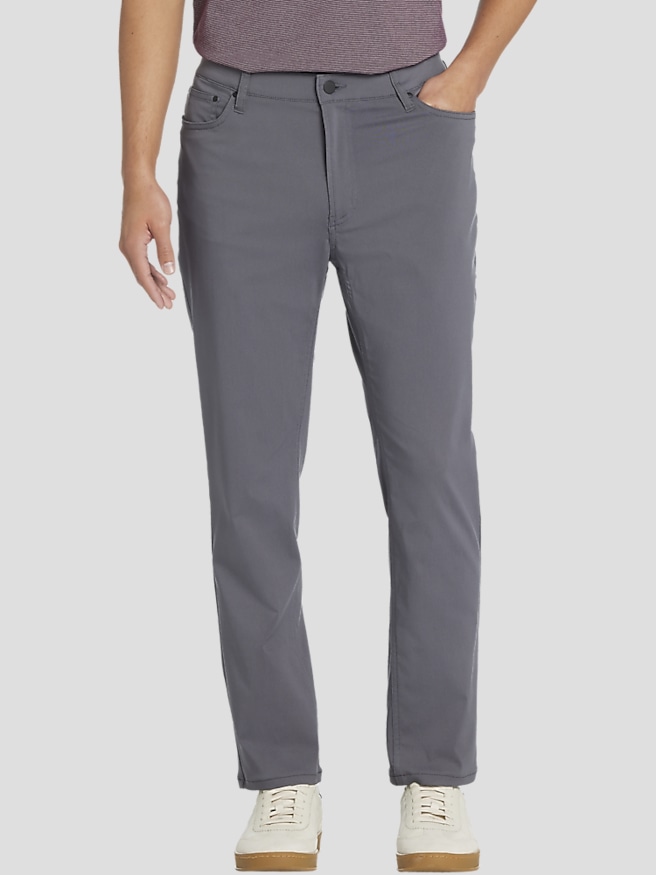
Straight leg work pants are a dependable choice for jobs, projects and everyday routines that call for comfort without a loose or overly casual silhouette. Designed with a consistent width from the thigh through the ankle, this classic cut offers room to move while maintaining a neat, balanced appearance. The leg opening is typically wide enough to fit comfortably over work boots, making straight leg pants practical for construction sites, warehouses, landscaping, maintenance, carpentry and other hands-on environments. They can also suit commuters, delivery professionals, tradespeople and anyone who prefers durable clothing for home repairs or weekend projects. Unlike a slim fit that may feel restrictive when climbing, kneeling or stepping over equipment, or a relaxed fit that can bunch around the shoe, the straight leg profile gives you a comfortable middle ground. The right pair should allow you to bend and sit naturally, with enough space through the seat and thigh for everyday movement but without excess fabric catching on tools, machinery or furniture. During cooler months, this shape also makes it easier to layer thermal underwear beneath the pants without creating a pinched or crowded feeling. In a work wardrobe, neutral shades such as black, charcoal, navy and khaki are especially versatile, pairing easily with flannel shirts, polo shirts, rugged overshirts, sweaters and high-visibility layers. A dark pair of Black Work Pants can move from a jobsite to a casual dinner with little effort, particularly when the fabric has a clean finish and the garment is kept neatly pressed.
Material selection should reflect the conditions in which the pants will be worn. Cotton twill is a popular everyday option because it feels substantial while remaining comfortable and breathable, and a cotton-polyester blend can offer useful wrinkle resistance, color retention and easy care for uniforms or busy workweeks. For heavier-duty tasks, cotton duck or another tightly woven canvas provides a firmer hand and greater resistance to abrasion when brushing against lumber, concrete, metal edges or unfinished surfaces. Heavier fabric can help block wind during outdoor work, though it may feel warmer indoors or during physically demanding tasks. Lighter twill can be more comfortable in active environments and may dry more quickly after washing. Details matter as much as the primary fabric: look for reinforced belt loops, sturdy stitching at stress points, secure closures and pockets sized for the items you actually carry. Deep front pockets can hold keys, a phone or a tape measure, while back pockets with buttons or flaps help keep essentials in place as you bend and reach. Utility pockets are useful for pencils, work gloves and small tools, but a simpler design may be preferable when you want a cleaner appearance. A durable zipper, a strong waistband and fabric that resists pilling or fading can make a noticeable difference over repeated wear. Consider the balance between structure and comfort as well. A rigid canvas may soften with use and develop a distinctive lived-in character, while a little stretch can make straight leg work pants more comfortable for squatting, driving or climbing stairs. Stretch should support movement without changing the clean line of the leg or causing the waistband to lose its shape.
Fit and sizing deserve careful attention, especially when work pants will be worn with boots. Start with the waist measurement and compare it with the retailer’s size chart rather than relying only on a familiar label. The inseam is measured from the crotch to the bottom of the leg, and the ideal length depends on both your height and footwear. A cuff that ends too high may expose the boot shaft and look unfinished, while excess fabric can drag across wet pavement, collect dust or become caught under a heel. Many people prefer enough length for the hem to rest lightly on the top of a work boot, creating a modest break without pooling around the ankle. If the pants will be worn with thick socks, base layers or a tucked-in shirt, account for that when assessing comfort at the waist and through the seat. Try sitting, walking, bending and lifting your knees; workwear should stay secure without pulling across the front or back. For outdoor tasks during the cooler months, a straight leg leaves practical room for base layers while still fitting neatly beneath a jacket or over sturdy boots. Care also affects longevity. Follow the garment label, wash heavily worn pants after dirty jobs and avoid excessive heat when the fabric or fit may shrink. Turning dark pants inside out can help preserve their color, and brushing away grit before laundering may reduce unnecessary wear. Whether purchased for a first job, a new trade, a home workshop or someone who appreciates reliable everyday clothing, straight leg work pants make a thoughtful and useful gift because they combine function, familiar styling and repeat-wear versatility. Properly chosen, they become the pair reached for before an early drive to the jobsite, a cool walk across a warehouse floor or an afternoon spent repairing and building at home.