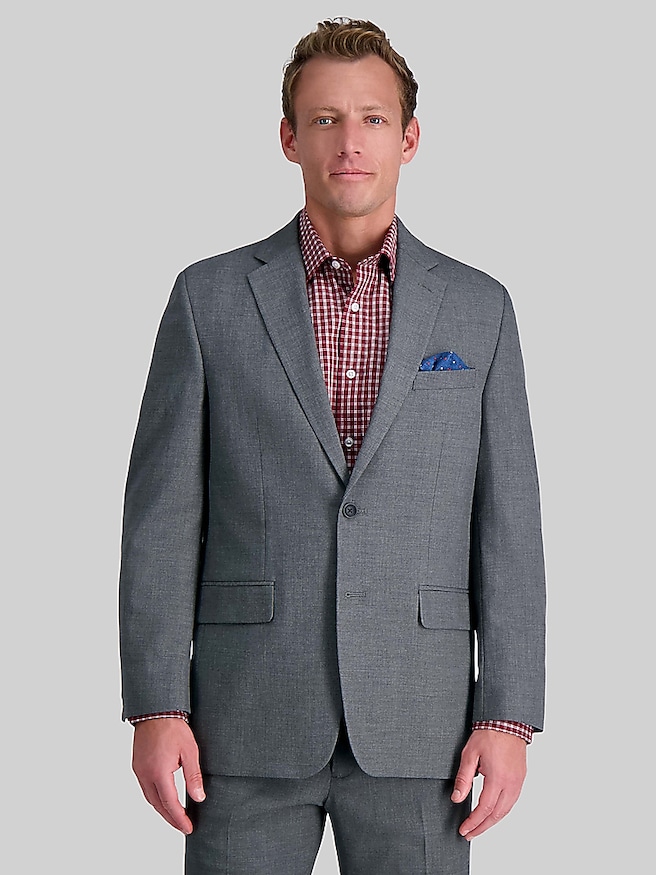
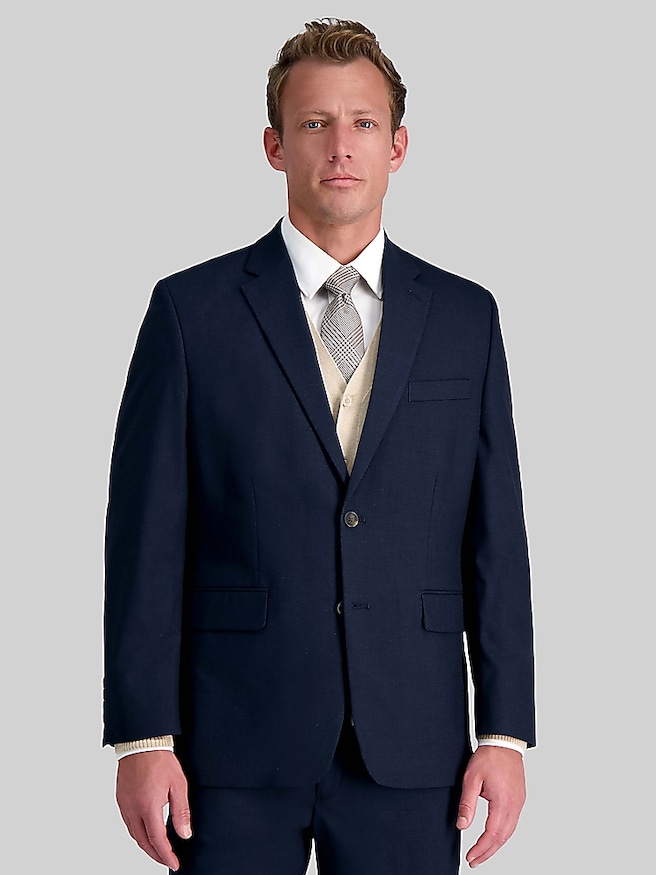
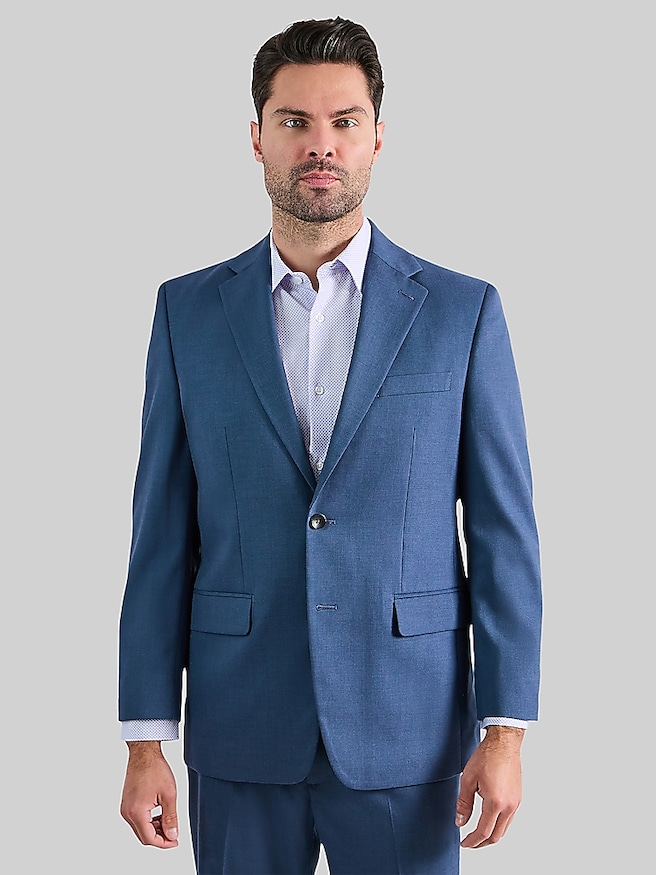
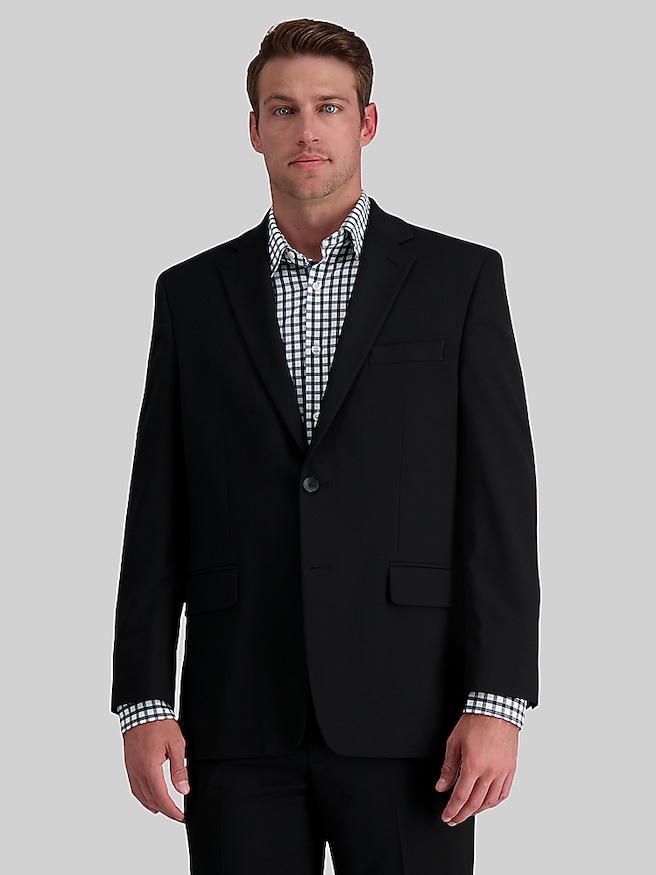
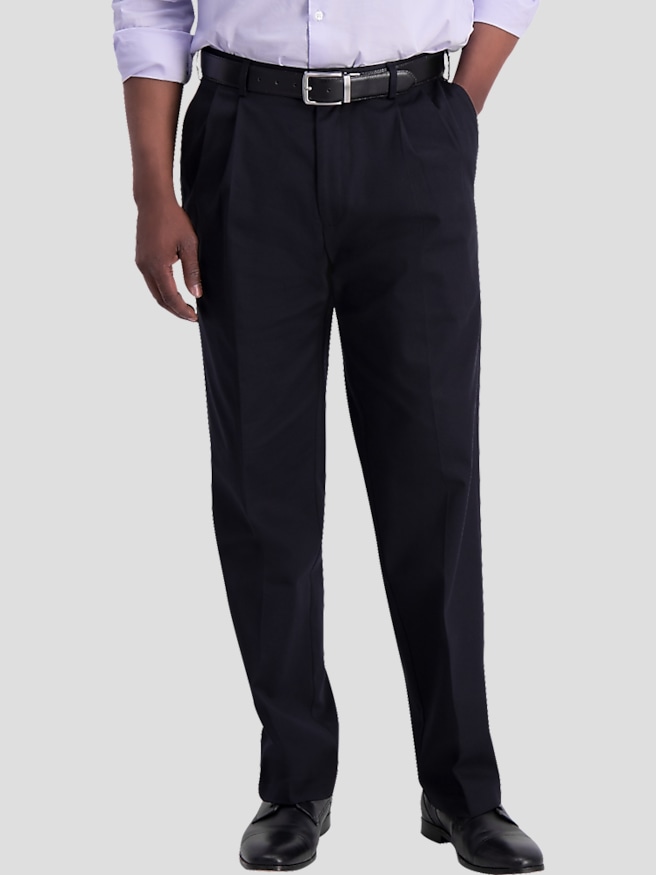
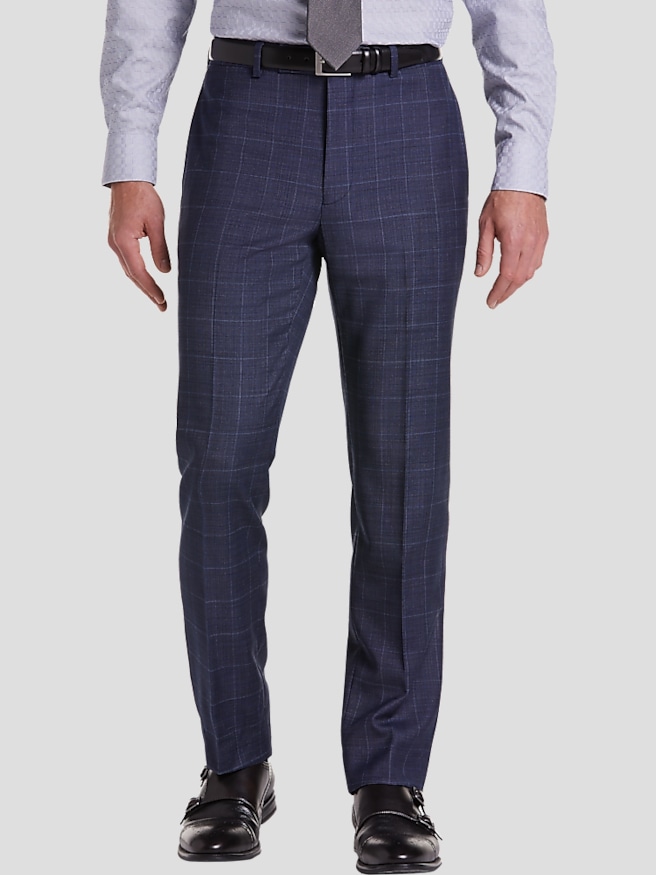
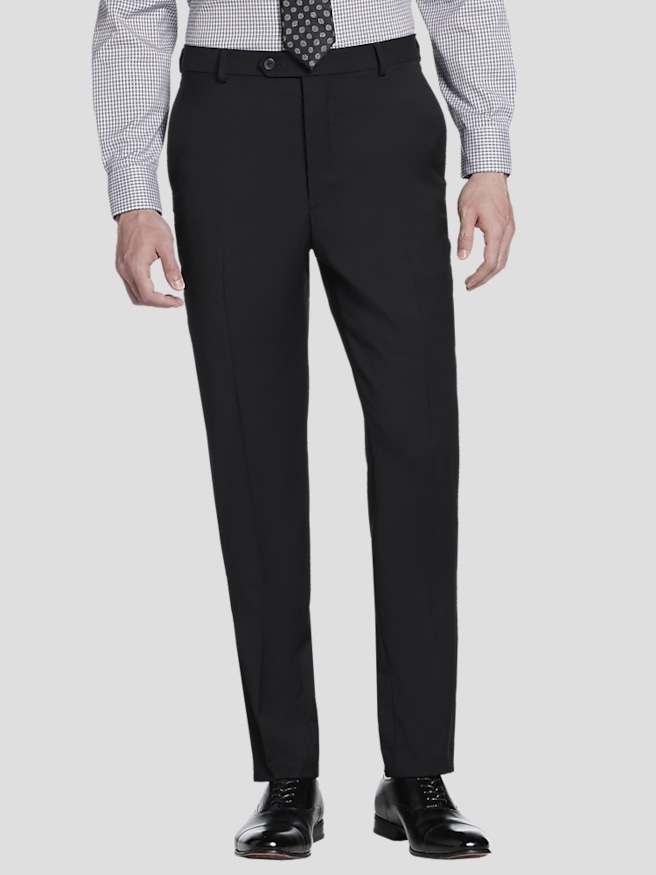
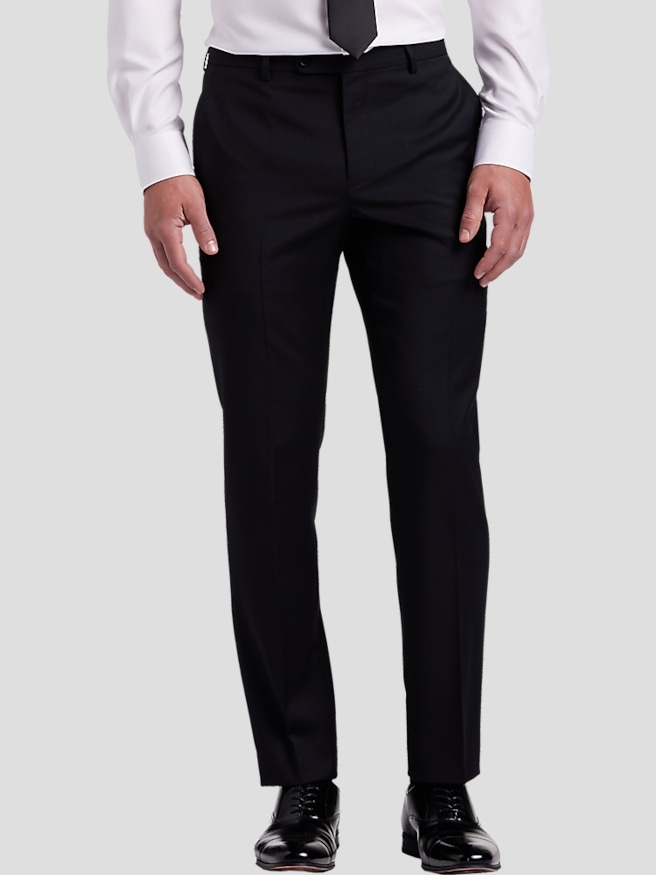
Straight leg suit pants bring a clean, balanced line to tailored clothing, with a leg shape that falls relatively evenly from the knee toward the hem rather than narrowing sharply at the ankle. That shape gives them a familiar, understated appearance: polished enough for a business presentation, comfortable in a wedding photograph, and easy to pair with dress shoes that have a little substance. The appeal is in the proportion. A straight leg can complement a structured jacket without making the lower half of the suit look overly narrow, and it leaves room for the fabric to drape instead of cling. The cut does not necessarily mean a loose fit, though. The waist, seat, and thighs still determine how the pants feel through a full day of sitting, standing, and walking. A waistband should rest securely without digging in, while pockets should lie reasonably flat rather than pull open. Across the seat, a smooth fall of fabric usually looks cleaner than tight horizontal lines or excess folds. For someone with fuller thighs, enough room above the knee matters just as much as the shape below it; for a leaner build, a closer fit through the seat can keep the silhouette from looking oversized. Rise also affects comfort and proportion, especially when a shirt stays tucked in through a long meeting or an evening reception. The hem completes the look. A slight break creates a small fold where the fabric meets the shoe, while a cleaner, shorter finish shows more of the shoe and feels a little sharper. Neither finish should leave fabric pooling around the heel. Trying the pants with the shoes intended for the outfit makes those small distinctions easier to see. Even modest tailoring at the waist or hem can help straight leg suit pants look settled and intentional, without changing the easy character that makes the shape useful across many settings.
Fabric gives straight leg suit pants much of their personality, from a crisp, smooth surface to a softer texture suited to cooler months. Wool is a traditional choice for tailoring because it can drape gracefully, breathe comfortably, and recover from light creasing with time between wears. The weight and weave matter as much as the fiber name: a fine, smooth cloth can feel appropriate in a climate-controlled office, while a more substantial weave may provide welcome warmth on the walk from the train to the building. Wool blends can balance that tailored appearance with other practical qualities, depending on their composition. Some fabrics include a small amount of stretch, which can add flexibility when sitting at a desk, climbing stairs, or reaching down to pick up a bag. Stretch is a useful feature, but it cannot make up for a waistband or thigh that fits too tightly. Lining can also influence comfort, helping the fabric move more smoothly against the legs and reducing friction in areas where it is used. Durability comes from the whole construction rather than a single fabric claim. Secure seams, neatly finished edges, stable pocket openings, and a dependable waistband closure all contribute to pants that hold their shape through repeated wear. Care deserves the same attention as fit. The sewn-in label should determine whether the pants need professional cleaning or can be washed, since outer fabric, lining, and internal structure may have separate requirements. Between cleanings, hanging them neatly and allowing them to air can help release everyday odors and soften minor wrinkles. A clothing brush may lift surface dust from suitable wool fabrics, while a careful press can restore a crease when the care instructions permit it. Overfilled pockets can distort the line, so keeping bulky keys and wallets elsewhere helps preserve the silhouette. When pants belong to a matching suit, having both pieces cleaned together when needed can help maintain a consistent appearance over time.
The versatility of straight leg suit pants becomes clear in the places they are worn. For an interview or a client meeting, a matching jacket and a freshly pressed dress shirt create a composed outfit without relying on conspicuous details. Matching means more than choosing a similar color: cloth, weave, and shade should align closely enough for the pieces to read as one suit. When worn as separates, a deliberate contrast often looks more convincing than two almost-matching fabrics. Charcoal pants with a textured navy jacket, for example, create a clear distinction while staying restrained. A fine-gauge sweater can soften the look for a workplace with a less formal dress code, provided its length and volume do not overwhelm the waistband and upper leg. During cooler weather, a tailored coat adds another layer without interrupting the long, straight line of the trousers. Footwear helps set the tone. Lace-up dress shoes make sense for formal business settings, while polished loafers can suit a relaxed office or dinner out; either way, the hem should work with the shoe rather than catch awkwardly on it. For weddings and other celebrations, the invitation and setting are better cues than the season alone. Suit pants are appropriate for many dressed-up occasions, but a black-tie event generally calls for coordinated formalwear rather than an ordinary suit combination. For that distinction, Straight Leg Tuxedo Pants offer a related silhouette within a more formal category, where details such as side trim and the accompanying jacket help define the outfit. Straight leg suit pants can also make a thoughtful gift for a graduate building a professional wardrobe or someone stepping into a role that calls for more tailored clothing. Accurate waist and inseam measurements, preferred rise, and familiarity with the recipient’s usual fit make that choice more personal and practical. Whether worn several days a week or reserved for significant occasions, their lasting appeal comes from balanced proportions, useful comfort, and a shape that lets the rest of the outfit feel considered rather than complicated.