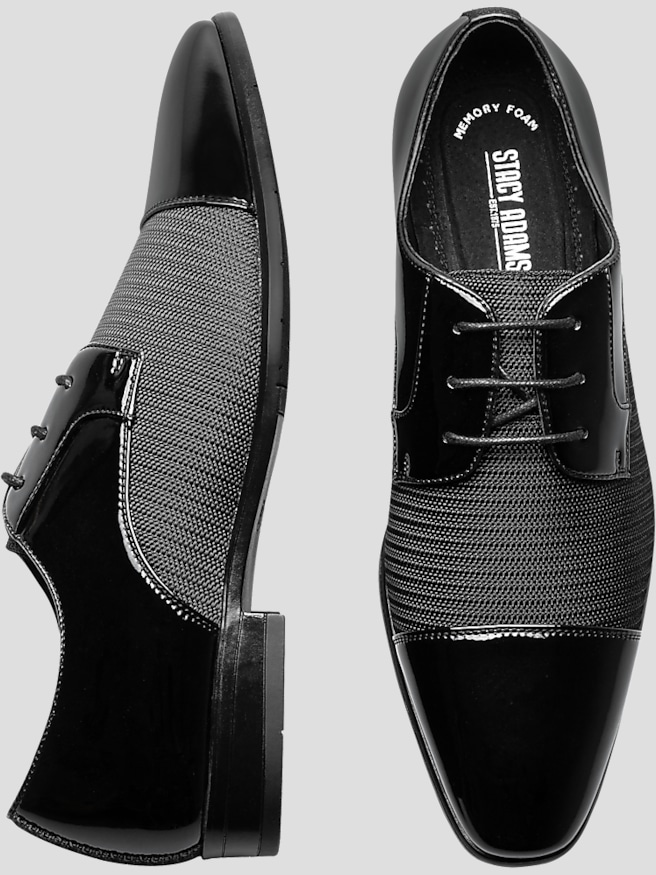
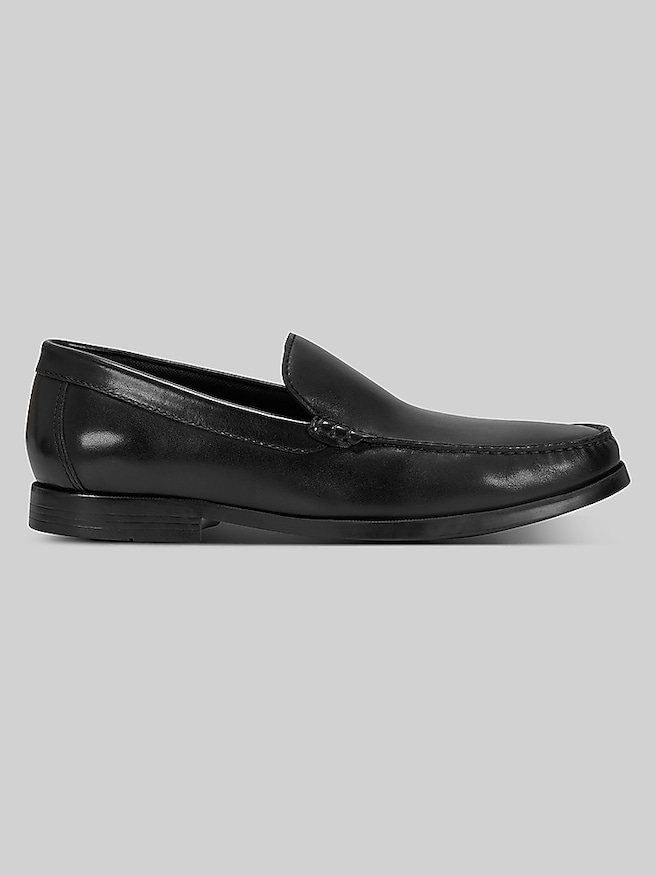
Stacked heel shoes are defined by the visible layers along the heel, a detail traditionally created by building up thin pieces of leather into a solid heel base. Some designs use wood or other materials, while others recreate the layered appearance with a wrapped or molded finish. The term describes the heel’s construction or appearance, not a particular shoe shape or height, so stacked heels can appear on lace-up dress shoes, loafers, and boots. In men’s footwear, a relatively low stacked heel often adds definition without dramatically changing the shoe’s profile. The horizontal lines can be subtle and closely matched to the upper, or more pronounced, with a natural brown edge beneath black or dark brown leather. That contrast gives even a simple silhouette some depth: a smooth upper looks sharper against the textured heel, while suede takes on a more relaxed, grounded character. A stacked heel is not necessarily a block heel, although the two descriptions sometimes overlap; “block” refers to the broad shape, while “stacked” refers to the layered build or finish. A broad heel base can contribute to a planted feel, but comfort and balance also depend on heel height, outsole design, fit, and the way the shoe supports the foot. For everyday dressing, these shoes bridge the space between polished and casual. A clean lace-up works naturally with tailored trousers for an office presentation, while a less formal shape can complement chinos and a textured sport coat at dinner. Dark, understated stacked heels also fit comfortably among stylish evening shoes, particularly when the upper has a refined finish and the overall silhouette stays sleek. More visible layering or a heavier sole gives the same basic detail a stronger presence with denim. The effect is architectural rather than ornamental, adding a distinct foundation beneath the shoe without requiring extra hardware or elaborate stitching. Rounded toes tend to make that foundation feel familiar and versatile, while a gently tapered toe creates a longer, dressier line beneath a trouser hem.
Materials influence how stacked heel shoes look, break in, and hold up to regular wear. Smooth leather uppers can develop creases and a patina that give the surface character, while suede offers a soft, matte texture that changes subtly as the nap moves. Leather quality, lining, stitching, and finishing matter more than a layered heel alone, and a stacked appearance does not establish that a shoe is made entirely from leather. The heel may combine several materials, including a rubber top lift—the bottom piece that meets the ground—beneath a leather or leather-look stack. That contact layer affects grip and wear, while the outsole beneath the forefoot contributes its own flexibility and feel. Leather soles often create a slim, traditional profile; rubber soles can add traction, cushioning, or a more substantial outline, depending on their design. Neither material guarantees comfort on its own. Someone spending a workday moving between a desk, conference room, and commute may value a flexible forefoot and secure heel hold more than a particularly soft first impression. Proper fit leaves room for the toes to rest naturally without allowing the foot to slide forward. The heel should feel secure rather than pinched, and the widest part of the foot should sit comfortably within the widest part of the shoe. A higher heel changes how pressure is distributed, so even a familiar size may feel different in another silhouette. Laces allow some adjustment across the instep, while slip-on styles rely more heavily on the relationship between the opening, heel counter, and foot shape. Trying shoes with the socks intended for regular wear gives a more useful sense of fit than relying on size alone. Leather may soften with wear, but persistent toe pressure, rubbing, or noticeable slipping should not be treated as something that break-in will automatically solve. Interior seams and lining edges deserve attention as well, especially for anyone expecting to keep the shoes on through a full workday and an evening event.
The lasting appeal of stacked heel shoes comes from the combination of visual character and practical versatility, but their appearance benefits from consistent care. Surface dust can settle along the heel’s layered edges, making a soft brush useful for keeping that detail crisp. Smooth leather uppers generally respond well to gentle cleaning, occasional conditioning with a suitable product, and polish when a more finished surface is desired. Suede needs its own brush and material-appropriate treatment rather than ordinary leather cream, which can change the texture or leave marks. Heel edges may need separate attention from the upper, and any edge dressing should be compatible with the heel material and finish. Excess product can obscure the very layering that gives these shoes their character. Allowing footwear to dry naturally after exposure to moisture, away from direct heat, helps protect leather and adhesives; shoe trees can help leather uppers retain their shape between wears. Alternating pairs also gives linings and insoles time to air out. At the bottom of the heel, uneven wear is worth addressing before it reaches the underlying stack. Depending on construction, a shoe repair professional may be able to replace the top lift, refresh heel edges, or perform more extensive repairs, though a stacked look alone does not establish repairability. These details matter for shoes expected to accompany regular office wear, recurring dinners, or milestone celebrations rather than a single outing. For a graduation gift or a professional wardrobe refresh, a versatile color and restrained heel profile can make sense for someone who moves between business attire and smart casual clothing. Footwear remains a personal fit choice, so a known size, preferred width, and familiar silhouette are more useful than choosing by appearance alone. The strongest pairing brings together a heel proportion that suits the outfit, materials that match the wearer’s routine, and a fit that feels secure from the first steps. With those elements aligned, the layered heel becomes a distinctive finishing detail rather than the only reason to choose the shoe.