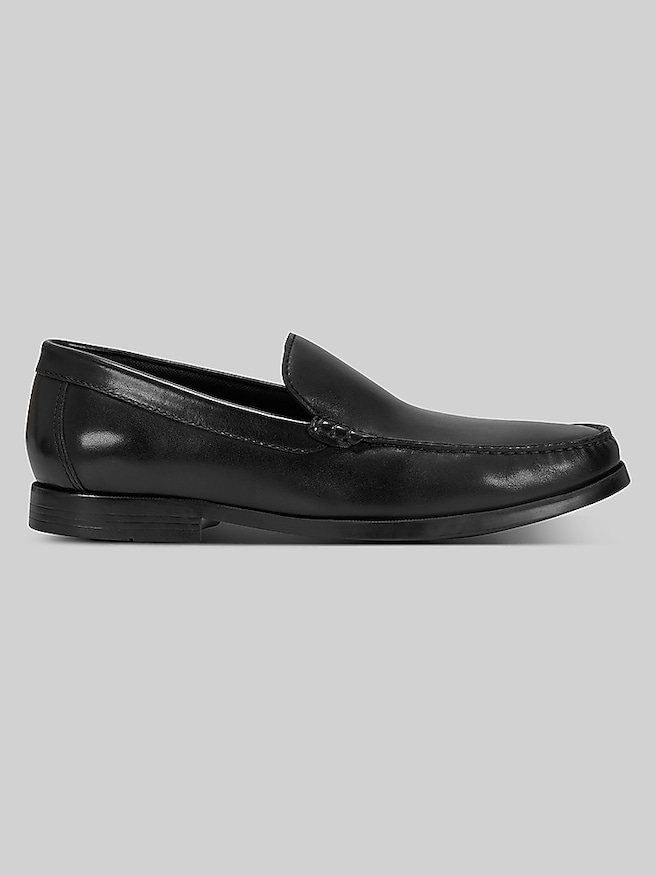
Stylish shoes combine a considered shape, quality-looking materials, and details that suit the occasion. For men, versatile choices include polished dress shoes, streamlined loafers, understated sneakers, and boots with clean lines. Each brings a distinct character to an outfit: a lace-up dress shoe gives tailoring a sharper finish, a loafer feels relaxed without looking careless, and a minimal sneaker can make chinos and a knit shirt feel modern. The appeal is not limited to eye-catching details. Often, the most effective design is a smooth upper, a balanced toe shape, and a sole that complements the proportions of the shoe. An almond-shaped toe tends to bridge traditional and contemporary looks, while a rounded toe has an easygoing character that works well with denim and casual trousers. Oxfords, with their closed lacing, have a sleek appearance suited to business attire and dressier celebrations. Derbies have open lacing that creates a slightly more relaxed look, making them useful alongside everything from a suit to textured trousers and a sport coat. Loafers span a similarly broad range, from simple penny styles to more decorative designs with tassels or metal accents. A low-profile leather sneaker offers another direction for settings where traditional dress shoes would feel too formal. Color also changes the impression. Black creates a crisp foundation for dark tailoring, while brown shades can bring depth to navy, gray, olive, and denim. Suede adds a softer, textured note, especially when the rest of an outfit is relatively simple. At a wedding reception, an office presentation, or dinner with friends, stylish footwear looks most convincing when its level of formality matches the setting. The connection between shoes and trousers matters, too: a clean hem keeps a refined silhouette visible, while a wider trouser opening can balance a more substantial sole. These small relationships help an outfit feel intentional rather than assembled around one attention-grabbing detail.
Materials and construction influence both appearance and how shoes hold up to repeated wear. Smooth leather can look crisp with tailored clothing and, with appropriate care, develop character through subtle creasing and changes in tone. Full-grain leather retains the hide’s natural surface, although its feel and finish vary with the leather and how it is treated. Suede has a soft nap that gives color dimension, while nubuck offers a finely textured surface with a more understated appearance. Textile uppers can create a lighter, more casual look; synthetic materials vary widely in flexibility, breathability, and maintenance needs. Inside the shoe, a smooth lining and well-finished seams matter because rough edges can become noticeable over hours of walking or standing. The sole contributes just as much to the experience as the upper. Leather soles have a traditional appearance, while rubber soles can offer flexibility and grip, depending on the compound and tread. A slim sole keeps the profile dressy; a thicker one adds visual weight and often reads as more casual. Stitching, secure attachments, and a stable heel are useful signs to consider, though no single construction detail guarantees durability. Some stitched designs can be resoled by a qualified repair professional, extending their useful life when the uppers remain in good condition. Care should match the material rather than follow one routine for every pair. Smooth leather generally benefits from gentle cleaning and suitable conditioner, with polish used where appropriate for the finish. Suede needs a dedicated brush and products intended for its textured surface. Manufacturer care instructions remain important, especially for mixed-material designs. Allowing shoes to dry naturally after wear, using shoe trees when appropriate, and avoiding direct heat can help preserve their shape. Rotating between pairs also gives the interiors time to air out. These habits keep handsome footwear looking considered beyond its first outing, without expecting every crease or small mark to disappear.
Fit is what turns an attractive shoe into one that earns regular wear. The heel should feel secure, the toes should have room to rest naturally, and the widest part of the foot should sit comfortably within the widest part of the shoe. A little initial firmness is not the same as pinching, numbness, or pressure against a joint. Leather may soften with use, but a shoe that is too short is unlikely to become the right length. Width, instep height, and toe shape all affect fit, so the size printed inside is only part of the picture. Lace-up styles offer adjustment across the instep, while loafers depend more closely on how their shape matches the foot. Trying shoes with the type of socks intended for them provides a more realistic sense of space and heel hold. Walking on a suitable indoor surface can reveal slipping, rubbing, or an awkward flex point that is easy to miss while standing still. For days that include a commute, meetings, and dinner afterward, stylish comfort shoes bring attention to the relationship between a refined appearance and wearable construction. Cushioning can soften the feel underfoot, but comfort also depends on stable support, adequate room, and a sole that bends appropriately during a step. Someone who stands through presentations may value a different balance of firmness and cushioning than someone who spends most of the day seated. Intended use helps narrow the possibilities without reducing style to a single formula. A graduate building a professional wardrobe may appreciate versatile dress shoes, while a frequent traveler may favor footwear that works with several outfits and feels manageable through a long day. Shoes can also make a thoughtful gift for a partner, father, or close friend when the recipient’s size, width, and preferences are known. The strongest choice reflects the wearer’s actual routine: polished enough for the occasions that matter, comfortable enough to reach for repeatedly, and distinctive in a way that feels personal.