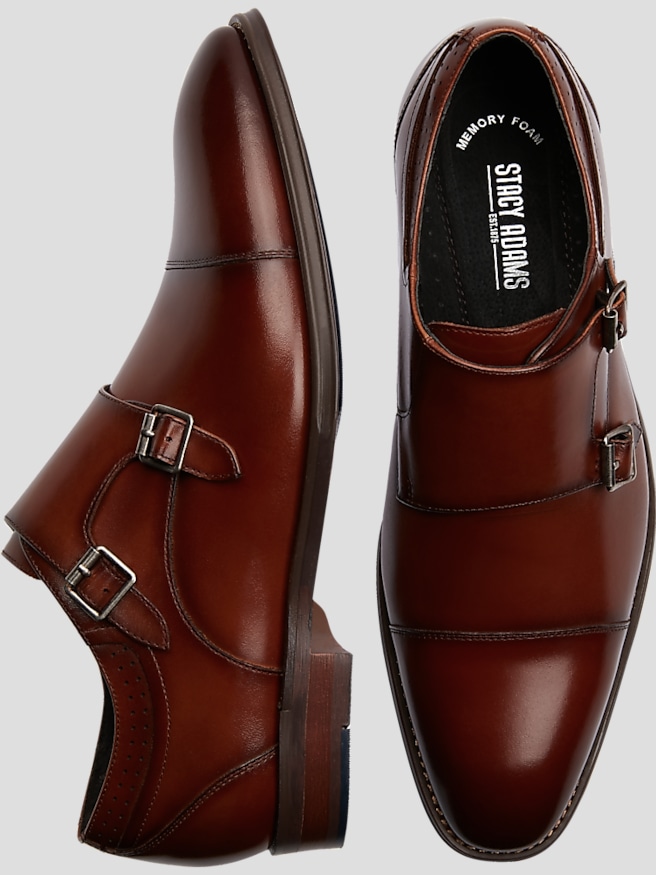
Stylish comfort shoes combine a clean, versatile appearance with cushioning, supportive construction, and enough flexibility for a natural stride. Their appeal is practical: a polished pair should feel as appropriate during a walk between meetings as it looks beneath tailored trousers at dinner. Comfort is not simply a matter of choosing the softest footbed, and style does not have to mean a rigid sole or a narrow, pointed toe. The most useful balance depends on foot shape, daily activity, and the clothes the shoes will accompany. For an office wardrobe, streamlined lace-ups with subtle stitching can provide a dressier foundation without drawing attention away from a suit or sport coat. Loafers bring a more relaxed finish to chinos and tailored separates, while understated sneakers work well with dark denim and casual trousers in settings where athletic styling feels appropriate. Rounded and almond-shaped toe profiles offer distinct looks; either needs enough interior space for toes to rest naturally. Black creates a crisp visual connection with charcoal or navy clothing, while brown shades can add depth alongside blue, gray, olive, and tan. Minimal hardware, balanced proportions, and a neat finish help footwear move comfortably between professional and social settings. Someone who spends a workday moving between a desk, meeting rooms, and nearby appointments may value a different combination of cushioning and structure than someone choosing shoes mainly for seated events. A wedding guest might prioritize a refined profile that still feels comfortable through a ceremony, dinner, and time on the dance floor. For frequent travelers, a versatile pair that complements several outfits can simplify packing without making every outfit look alike. Sole thickness and weight also affect the experience: a substantial-looking shoe can feel surprisingly manageable when its construction is light, while a slim profile does not automatically mean easy movement. The right choice connects the expected level of formality with the amount of walking and standing involved, rather than treating appearance and comfort as separate decisions.
Materials and construction explain much of how comfort-focused footwear feels over time. Leather uppers offer a smooth, structured appearance and can soften with wear, although that gradual change should never be relied on to correct a shoe that is too short or too tight. Suede has a softer visual texture that pairs naturally with casual tailoring, while textile uppers can create a lighter, more relaxed look. Breathability depends on the complete construction, including the lining and footbed, rather than the outer material alone. Smooth interior seams and a well-finished collar can make a noticeable difference where the shoe meets the foot. Underfoot, cushioning helps soften contact with hard surfaces, while a stable base keeps softness from feeling unsteady. A flexible forefoot allows the shoe to bend near the ball of the foot; excessive twisting through the middle can feel less supportive. Rubber outsoles may provide useful grip and flexibility, but traction varies with tread, surface, and wear. Leather outsoles have a traditional dress appearance and a different underfoot feel, making intended use an important part of the choice. Fit remains the deciding factor across all these materials. Toes need room to spread without being crowded from above or pressed against the end, and the widest part of the foot should sit comfortably within the widest part of the shoe. The heel should feel secure without rubbing, and the instep should not be squeezed by the upper or lacing. Width deserves as much attention as length; adding extra length to compensate for a narrow fit can leave the heel loose and place the shoe’s flex point in the wrong position. The socks worn with the shoes also affect interior space and friction. For someone using a removable insert, sufficient depth and an appropriate footbed arrangement matter more than an especially plush first impression. Comfortable shoes should feel secure and accommodating at the outset, not demand a lengthy period of discomfort before becoming wearable.
The appeal of Stylish Shoes extends beyond a sharp first impression to the way a pair holds its shape and fits into everyday routines. Durability comes from several details working together: sound stitching, secure sole attachment, resilient cushioning, and materials suited to the amount of wear expected. A thick sole alone does not establish longevity, just as a delicate-looking upper does not necessarily indicate poor construction. High-contact areas, including the heel lining and forefoot, often reveal wear sooner than less exposed sections. Consistent care helps preserve both appearance and comfort. Smooth leather benefits from gentle cleaning and a compatible conditioner used according to the material’s care directions, while an appropriate polish can restore an even finish. Suede generally needs a dedicated brush and products intended for its textured surface rather than conventional shoe polish. Textile care varies, and machine washing is suitable only when the care instructions permit it. Shoes that become damp should dry naturally away from direct heat, which can affect uppers, adhesives, and shape. Giving footwear time to air between wears helps manage trapped moisture, and properly sized shoe trees can help leather shoes maintain their form. Replacing worn laces and addressing loose stitching early can keep a well-liked pair looking considered rather than neglected. Outsole wear also deserves attention, especially when tread becomes smooth or the heel wears unevenly. These everyday details matter for shoes worn repeatedly with a work wardrobe, but they are just as relevant to a pair reserved for celebrations. As a gift for a partner, father, or recent graduate, comfort-oriented footwear is most personal when it reflects the recipient’s usual dress and known fit preferences. A familiar silhouette in a versatile color is often easier to integrate than a dramatic departure from established taste. The lasting value is in shoes that complement the wearer’s clothes, accommodate the foot, and feel appropriate for the actual day ahead—from the first walk across a lobby to the trip home.