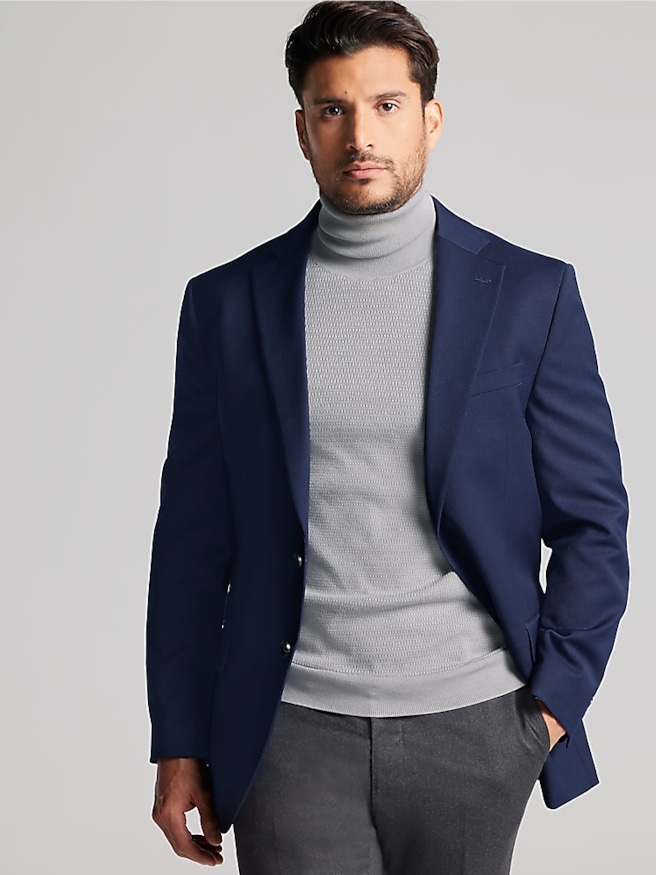
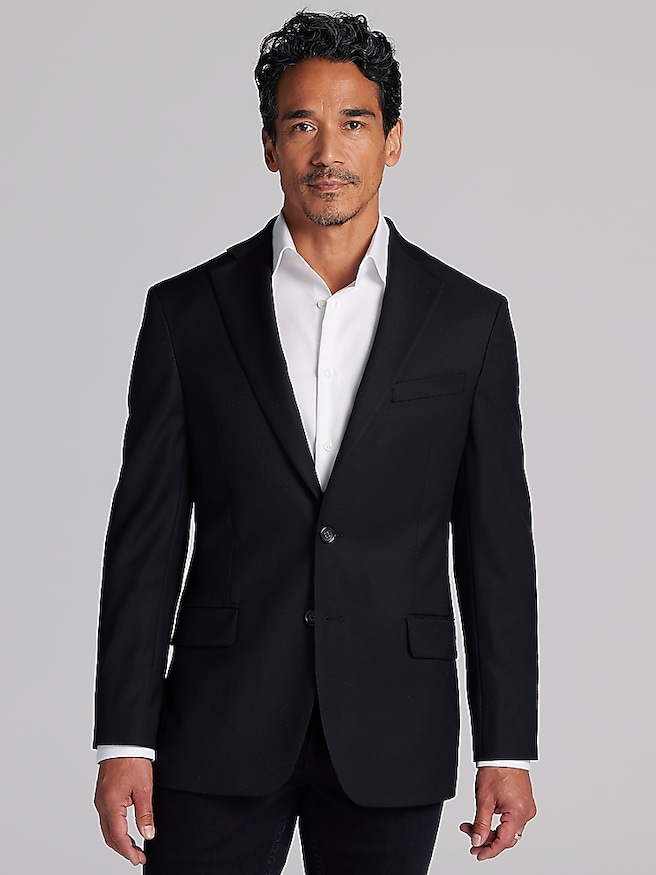
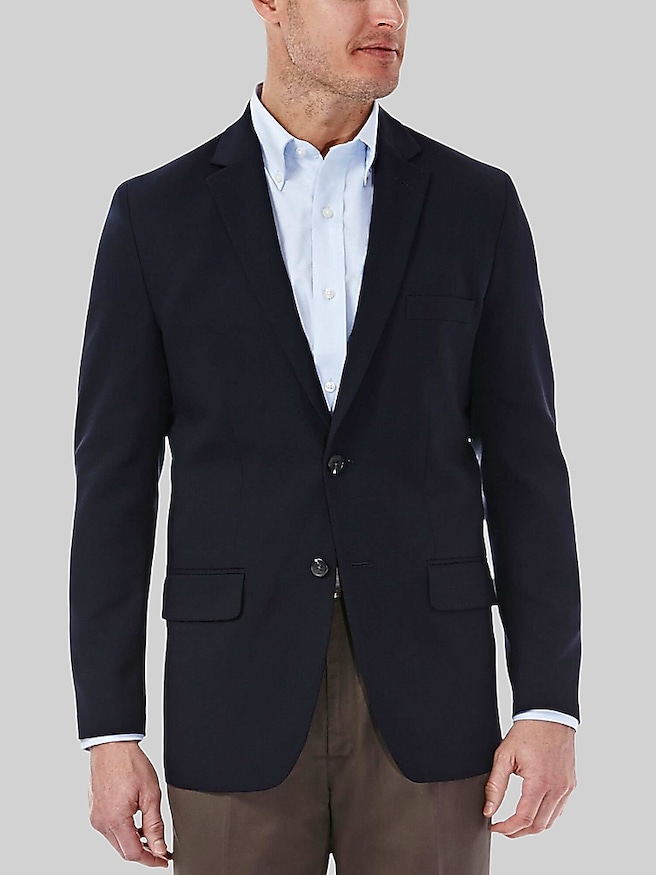
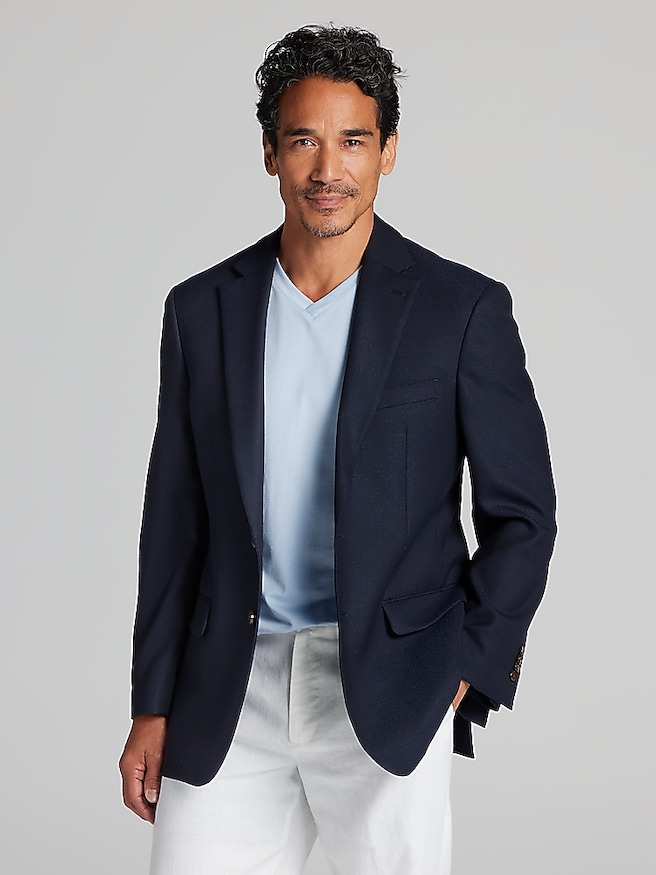
St. Patrick’s Day outfits bring together green clothing, comfortable layers, and occasion-appropriate details for celebrations ranging from neighborhood parades to dressed-up dinners. Green is the holiday’s most recognizable style cue, with shades from bright emerald to muted olive offering plenty of room for personal taste. Its association with Ireland and the shamrock gives even a small accent a clear connection to the occasion, so a festive look does not have to feel like a costume. A green sweater with dark denim reads relaxed and familiar, while a deep green jacket with neutral trousers creates a sharper impression for a restaurant gathering or evening reception. Navy, charcoal, cream, and brown give green a grounded backdrop; black adds contrast, particularly with richer jewel tones. For men who prefer understated clothing, a tie or pocket square can carry the holiday color without changing the character of an everyday outfit. More expressive combinations might feature green across multiple layers, with variations in shade and texture keeping the result from looking flat. The setting matters as much as the color: time spent along a parade route calls for easy movement and dependable footwear, while a seated dinner leaves more room for tailored layers and refined accessories. Office celebrations often sit between those extremes, where a collared shirt, neat trousers, and a restrained green accent feel festive without distracting from the workday. St. Patrick’s Day clothing also has a life beyond the celebration. Olive separates, textured knitwear, and dark green accessories fit naturally into everyday wardrobes, making them useful for anyone who enjoys color but prefers pieces that work across multiple occasions. The strongest combinations look intentional at a glance and remain comfortable through the actual plans, whether that means standing outside with friends, visiting family, or moving from an afternoon gathering to an evening reservation.
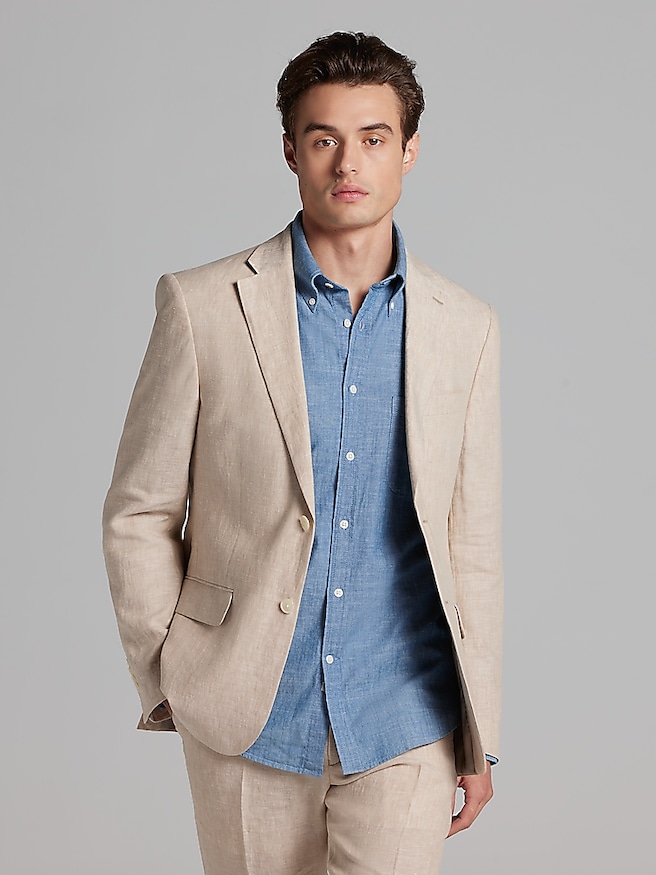
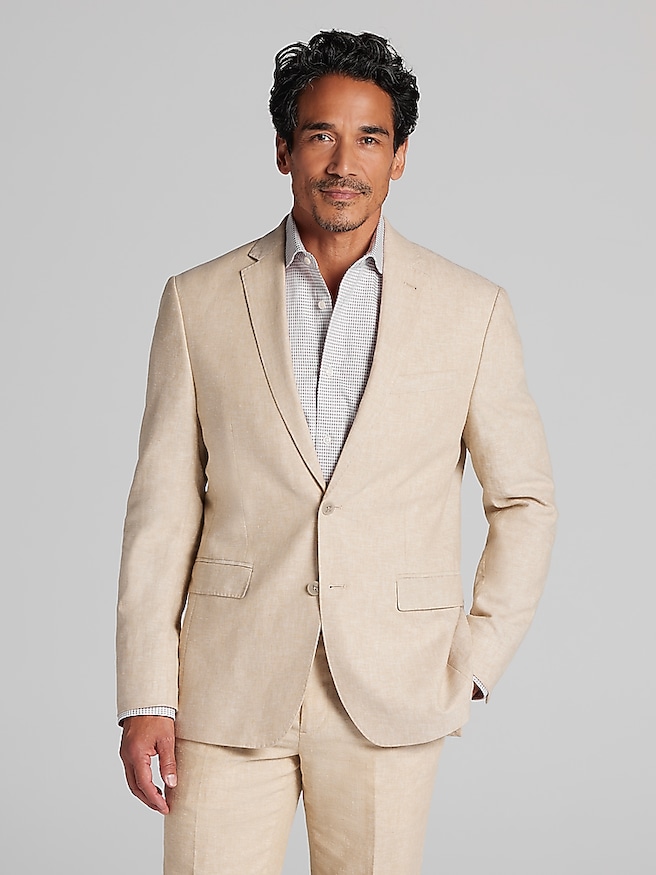
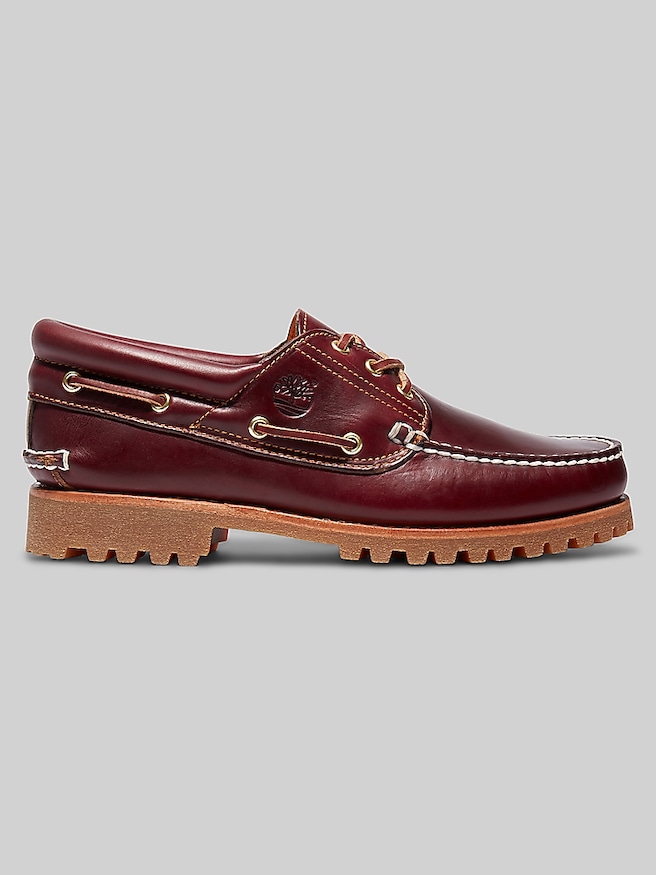
Materials and construction influence how St. Patrick’s Day outfits feel over several hours, especially when the celebration includes both outdoor stops and warm indoor spaces. Cotton shirts and tees can provide a soft, breathable foundation, while cotton knitwear offers texture without the heavier feel of some cold-weather layers. Wool sweaters and wool-blend tailoring can add warmth for breezy sidewalks or an outdoor event, with the fabric’s weight and weave shaping how substantial the garment feels. Finer knits generally sit more smoothly beneath a jacket; chunkier textures make a stronger casual statement but need extra room through the sleeves and chest. Linen and linen blends have an airy character suited to warm venues, though their natural creasing creates a more relaxed finish. Fabrics with a small amount of stretch can ease movement during long periods of sitting or walking, but stretch does not replace a well-proportioned fit. A shirt should allow comfortable movement across the shoulders without pulling at the buttons, and a sweater should leave room for its base layer without bunching around the waist. Tailored jackets look cleaner when the shoulder line sits close to the body and the front closes without strain. Trousers need enough space through the seat and thighs for stairs, restaurant seating, and a full stride, with hems that stay clear of the ground. These details become especially noticeable during a full day out: a tight armhole can make every reach uncomfortable, and an overly long hem can collect moisture from the sidewalk. Footwear deserves the same attention. Broken-in shoes with secure traction and a comfortable footbed are practical for walking-heavy celebrations, while polished leather styles bring a more finished look to indoor plans. Socks with appropriate cushioning can help reduce friction, and breathable layers make it easier to adjust when moving between settings. A lightweight outer layer that fits over the complete outfit is often more useful than a bulky coat that compresses the clothing underneath. Together, fabric, fit, and layering determine whether a festive outfit simply looks right or also feels easy to wear.
Finishing details give St. Patrick’s Day clothing its character without requiring every element to compete for attention. A patterned tie can stand out against a quiet shirt, while a textured green sweater often needs little more than clean trousers and well-kept shoes. When several shades of green appear together, a visible shift in tone usually looks more deliberate than an almost-match, and neutral accessories give the eye a place to rest. The level of polish can follow the invitation: casual family gatherings leave room for denim and relaxed knits, while a formal reception may call for a suit with green introduced through smaller accents. Dress codes still take priority over the holiday theme. For other celebrations with a similar balance of festive color and polished clothing, the Spring Event Outfit page offers a related occasion to explore. Thoughtful care helps versatile clothing remain useful long after the gathering ends. Care labels provide the best direction because fiber content, lining, trim, and construction can require distinct cleaning methods. Washable green garments often benefit from being turned inside out and cleaned with similar colors according to their labels; excess heat can contribute to shrinking or fading in some fabrics. Knitwear that requires reshaping should be handled gently and dried as directed, while structured jackets benefit from supportive hangers that preserve their shoulders. Prompt attention to spills, gentle brushing where appropriate, and airing clothing after wear can help maintain its appearance between cleanings. Secure buttons, even seams, resilient fabric, and reinforced high-friction areas are useful signs to consider when judging everyday durability, although no single detail guarantees longevity. Green accessories and forgiving knit layers can also make thoughtful gifts for a father, partner, brother, or friend who enjoys the holiday, particularly when they reflect the recipient’s usual colors and preferred level of formality. Familiar sizing, comfortable textures, and a style that works with clothing already in the closet give the gift a purpose beyond one celebration. A successful St. Patrick’s Day outfit carries the spirit of the occasion while still feeling like the person wearing it.