Men’s Easter outfits range from suits for a traditional church service to relaxed separates for brunch, family photos, or an egg hunt in the backyard. The occasion sets the tone: a tailored look fits a more formal service or a meal at a dressy restaurant, while an open collar and neatly cut trousers can feel more at home around a crowded kitchen table. When both are on the schedule, a jacket can give an outfit enough structure for the service and come off at lunch without leaving the rest of the look unfinished. Easter is closely associated with spring colors, but dressing for the holiday doesn’t have to mean wearing pastels from head to toe. Soft blue, sage, and lavender stand out against familiar neutrals like navy, gray, and tan. A small check or a fine stripe can add depth to an otherwise solid outfit, while a crisp white shirt makes a darker suit feel right for a daytime celebration. For a family photo, matching the level of formality usually matters more than matching colors exactly. Navy and muted green can sit comfortably alongside cream or pale blue without making everyone look as though they dressed from the same set. Large, high-contrast patterns tend to draw the eye in a close group photo, so there’s a case for keeping them subtle when several people are standing shoulder to shoulder. The same balance applies to the day itself. Clothing that looks sharp when everyone gathers on the front steps should also feel natural once the pictures are over and people settle in for a long meal. A teenager dressing up for a family gathering may feel more comfortable in neat separates than in a full suit, while someone attending a formal service may prefer the clean lines of a coordinated suit. Both can feel right for Easter; the setting and the person wearing the clothes matter more than any single color or dress code.
Fabric and fit make an Easter outfit more comfortable over a day that can include a car ride, time seated in a pew, and an afternoon outdoors. Smooth cotton shirting has a crisp look under a jacket, while cotton with a more visible weave gives relaxed outfits a little texture. Lightweight wool is a good option for tailoring when a clean drape matters, and linen blends suit less formal gatherings where a few creases are part of the look. Those creases are more noticeable at the elbows and across the lap after sitting, which is worth considering if family photos come later in the day. Fabric weight matters as much as fiber content: a densely woven cotton can feel more substantial than a lightweight wool, and jacket lining can change how a layer feels indoors. Clothing that fits well tends to look better in motion, not just in front of a mirror. A jacket should follow the shoulders without pulling across the back when reaching forward. A shirt collar should sit comfortably when fastened, and the fabric shouldn’t strain across the chest when seated. Trousers need enough room through the waist and thighs to sit at the table or bend down to help a child reach a basket. The hem also affects how finished the outfit looks. A slight break over the shoe can work well with traditional tailoring, while a cleaner line with little or no break complements a narrower cut. Fitting the trousers with the kind of shoes planned for the occasion gives a better sense of where that hem will fall. For Easter plans split between indoor and outdoor settings, layers help most when each part looks finished on its own. A shirt that sits neatly at the shoulders and waist still looks intentional after the jacket goes over the back of a chair.
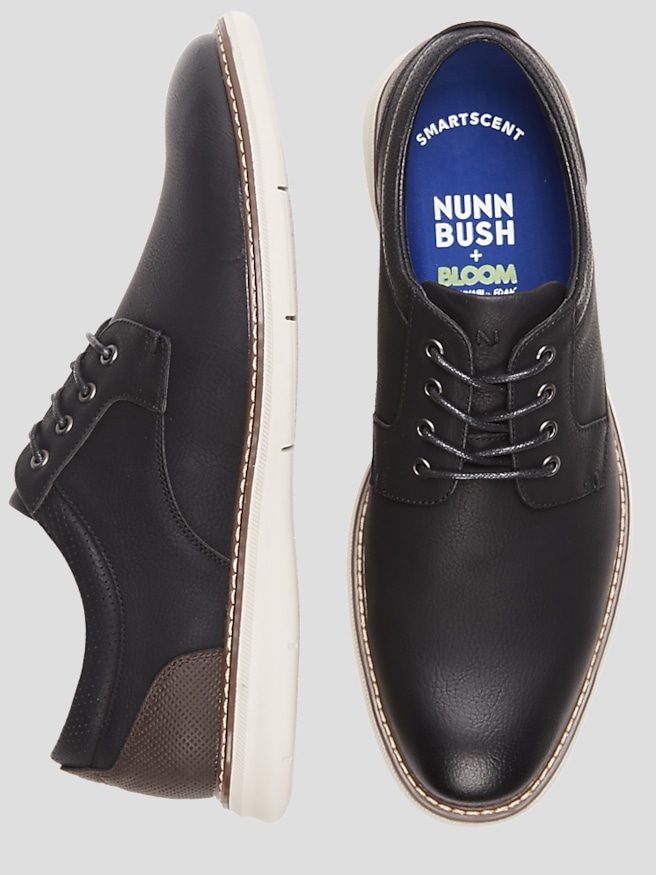
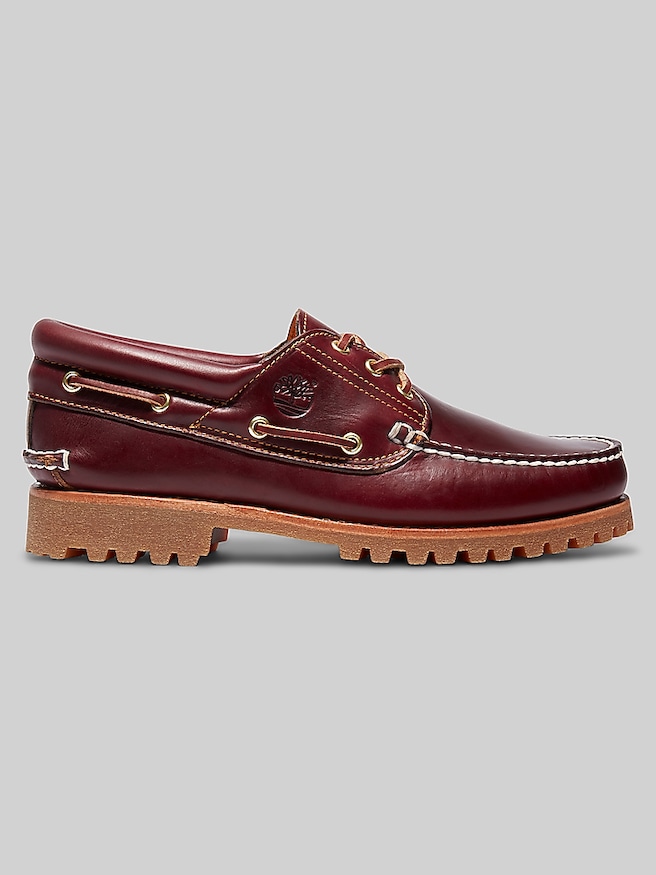
Footwear can shift an Easter outfit toward formal or relaxed without changing the rest of the clothing. Smooth, polished finishes complement structured tailoring, while softer textures feel at home with less formal fabrics. The right pair of Easter Dress Shoes should suit the outfit and the places it will be worn, from the church aisle to a paved patio or a lawn. A short walk from the car makes fewer demands on a shoe than an afternoon spent standing, greeting relatives, or following children around the yard. A secure fit at the heel, enough room at the toes, and a sole suited to the walking surface matter more over the course of the day than they might during a quick fitting. Similar practical details help the clothes hold up for other occasions. Fabric that feels sturdy without being stiff, even stitching, and seams free of puckering are useful signs of construction. A good fit also limits the strain on seams at the seat, elbows, and shoulders. Care labels are worth checking before cleaning, particularly with blends and lined garments that may need gentler handling than the outer fabric suggests. Hanging tailored clothing after wear gives it a chance to air out and lets minor wrinkles relax. Prompt attention to a brunch spill can also make cleanup easier, though the right treatment depends on the fabric. For someone building a dress wardrobe, Easter clothing can make a thoughtful gift when the recipient’s measurements and style are familiar. A color that works with clothing already in the closet is likely to get more use than one chosen only for the holiday. That same consideration makes it easier to dress for Easter without putting together an outfit that has nowhere else to go. Neutral tailoring can carry over to a graduation or a spring wedding, and softer colors can be worn with casual pieces for another family gathering. The most versatile Easter outfits feel dressed up enough for the occasion without looking tied to a single Sunday.