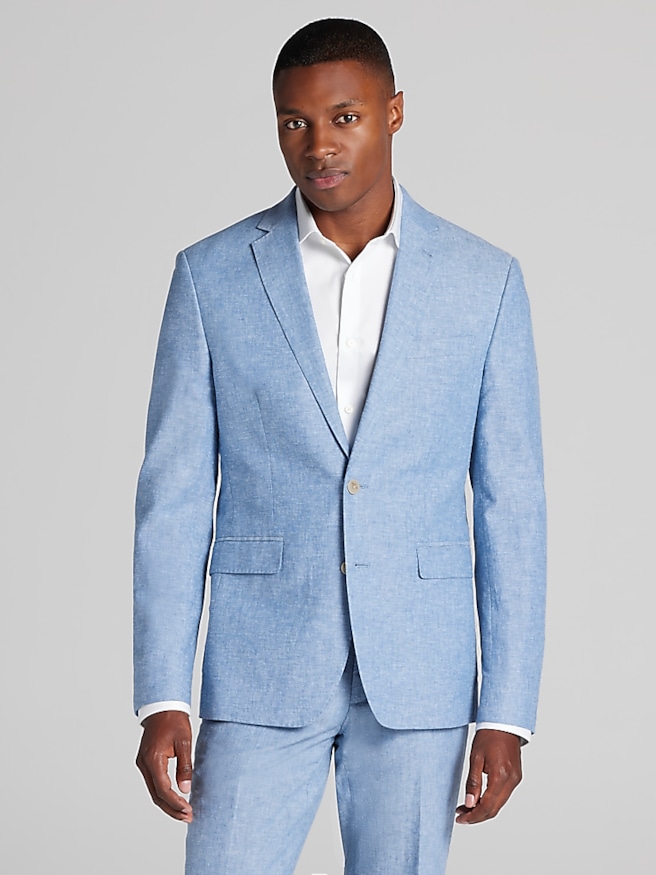
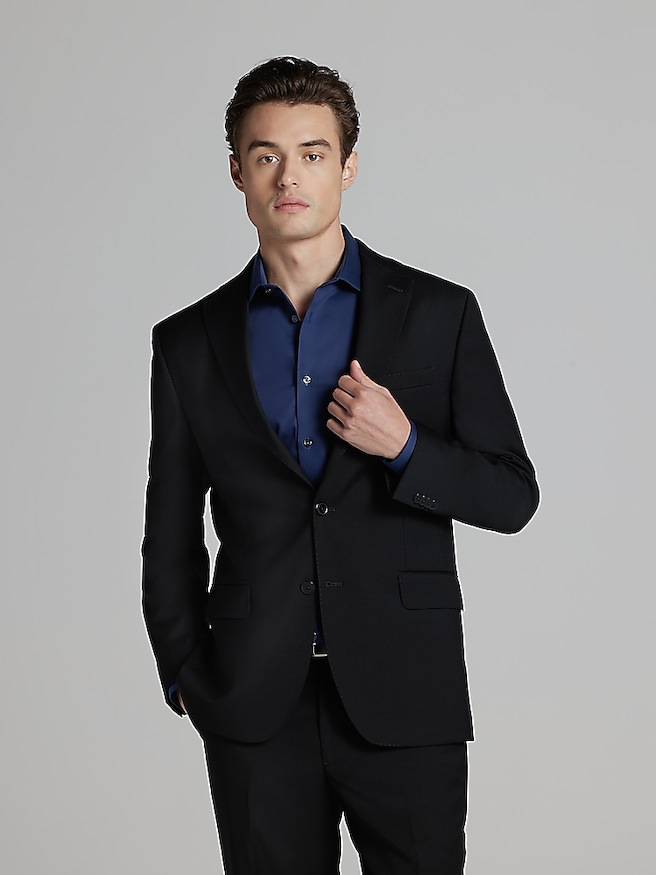
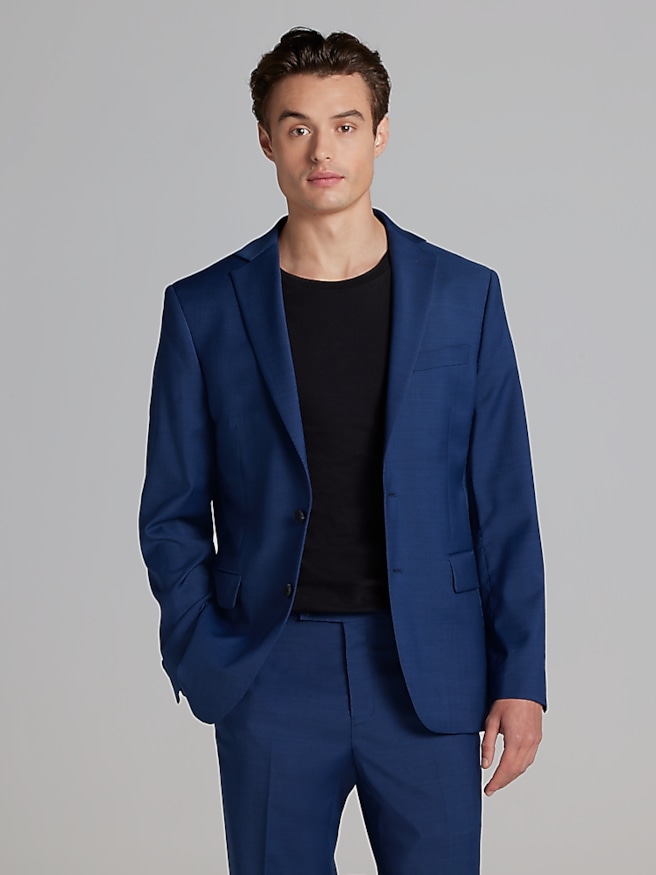
Spring evening jackets provide a polished outer layer for dinners, receptions, performances, and celebrations without the weight of a heavy coat. Their appeal lies in balancing tailoring with comfort: enough structure to look dressed for the occasion, with fabric and construction suited to spring evenings. The category can include sport coats, blazers, and more formal dinner jackets, although each serves a different dress code. A softly structured sport coat works naturally for a restaurant reservation or an outdoor cocktail gathering, while a dinner jacket belongs with the appropriate formal shirt, trousers, and accessories when an invitation calls for black tie. Fabric makes a noticeable difference over the course of an evening. Lightweight wool offers a clean drape and can recover well from ordinary creasing, making it useful for events that involve sitting through dinner before standing to mingle. Open-weave wool allows more airflow than a densely woven fabric of similar weight. Linen has an airy feel and a textured appearance, with creases that become part of its relaxed character. Linen blends can temper that rumpled look, depending on their composition, while cotton offers a matte finish that feels at home at less formal gatherings. Silk blends may introduce a subtle sheen or a more fluid hand, but the overall effect depends on the weave and finish rather than the fiber name alone. Construction matters alongside material. An unlined or partially lined body can reduce bulk, while a fully lined jacket offers a smooth interior that slides comfortably over a shirt. Neither approach automatically determines warmth; fabric weight, weave, and the complete outfit all contribute. For a courtyard reception followed by dinner indoors, a breathable tailored layer can feel more practical than a thick, heavily structured jacket. The best match reflects the setting, the expected level of formality, and whether most of the evening will be spent seated, standing, or moving between spaces.
Fit gives spring evening jackets their finished appearance, especially when lighter fabrics make pulling, puckering, or excess cloth easier to notice. The shoulder line should sit cleanly without projecting far beyond the natural shoulder or collapsing into deep dents. Across the chest, a buttoned jacket should feel secure without creating pronounced tension lines, and the lapels should rest against the body rather than bow outward. A little room through the waist allows comfortable movement during a long meal, while sleeves that reveal a modest amount of shirt cuff create a deliberate transition at the wrist. Jacket length and overall balance matter more than chasing an especially short or narrow silhouette. A close fit can look sharp, but there should still be enough ease to reach forward, shake hands, or sit without feeling restricted. Trousers help establish the mood: tailored wool trousers bring a sport coat closer to an evening occasion, while neat chinos suit a more relaxed dinner setting. When a jacket is worn as a separate, a clear difference in color or texture between it and the trousers usually looks more intentional than an almost-matching combination. Navy, charcoal, and medium blue provide versatile foundations, while softer gray, tan, or muted earth tones can suit less formal spring gatherings. A small check or textured weave adds interest without requiring a bold shirt or tie. Under evening lighting, a restrained surface texture often provides enough detail on its own. A crisp shirt, polished leather shoes, and a pocket square with a quiet pattern can finish the outfit without competing for attention. For occasions that begin at the office and continue over dinner, Spring Business Jackets offer a related approach to tailored dressing. An evening-focused outfit may simply call for a cleaner shirt, dressier footwear, or a more formal fabric, rather than a complete change of direction. The invitation and venue remain more useful signals than any single color or trend.
The smaller details of a spring evening jacket influence both how it wears and how long it keeps its shape. A soft shoulder creates a relaxed outline, while firmer construction gives a more defined silhouette; neither is inherently better, but each changes the character of the outfit. Patch pockets tend to read as more casual, while streamlined pocket treatments can support a dressier appearance. Lapel shape also carries meaning, particularly on formal eveningwear, where the jacket should work as part of a coherent outfit rather than as an isolated statement. Useful signs of sound construction include even stitching, securely attached buttons, smooth seams, and a lining that does not tug when the jacket is worn. Durability also depends on matching the fabric to its use. A fine, delicate cloth may be well suited to occasional celebrations, while a more resilient weave can make sense for repeated dinners, travel, and work-related events. Overfilled pockets can distort the front of a lightweight jacket, so keeping a phone, keys, and other bulky essentials elsewhere helps preserve its line. After wear, a broad, shaped hanger supports the shoulders, and a little space in the closet prevents unnecessary crushing. Allowing the jacket to air out before putting it away can reduce the need for frequent cleaning. Care should always follow the garment label, particularly for blends, special finishes, and structured interiors. Professional cleaning is appropriate when specified, while pressing or steaming requires care because excessive heat or moisture can affect certain fabrics and construction methods. For travel, a garment bag helps protect the surface from abrasion, although no packing method eliminates every crease. A jacket given for a graduation celebration, milestone birthday, or another meaningful occasion is most useful when its size and formality suit the recipient’s routine. Whether worn for an anniversary dinner or an evening wedding reception, a well-considered jacket earns its place through comfortable movement, dependable construction, and a look that feels appropriate from arrival to the last conversation of the night.