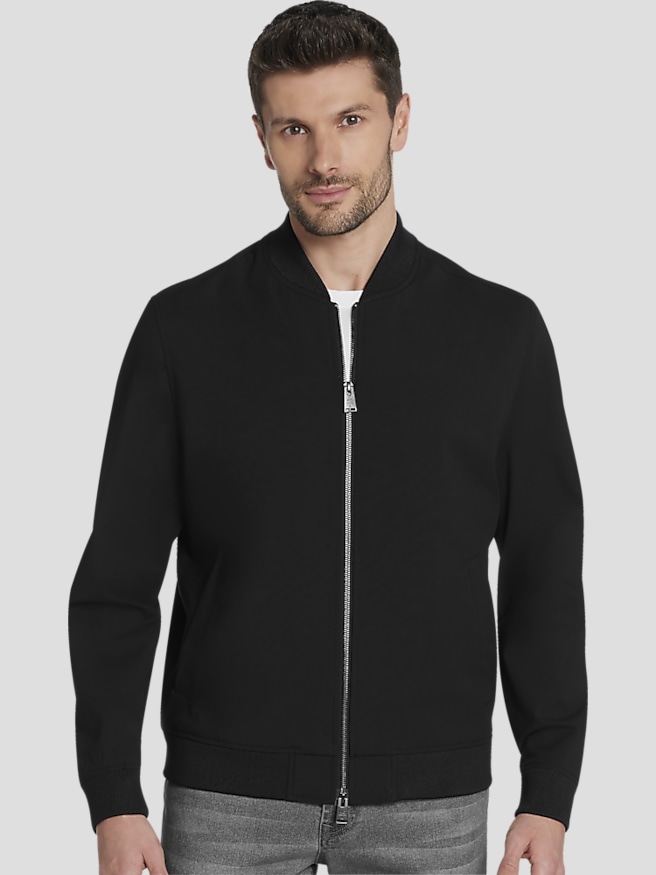
Spring wedding jackets bring a tailored finish to celebrations that range from garden ceremonies and courtyard receptions to evening gatherings in a ballroom. For a groom, a member of the wedding party, or a guest, the right jacket balances the occasion’s dress code with the comfort needed for photographs, dinner, and time on the dance floor. Lightweight wool, linen, cotton, and blends are useful starting points, with each fabric bringing a distinct texture and feel. Fine wool can offer a smooth drape and natural wrinkle recovery, making it well suited to a celebration that stretches from an afternoon ceremony into an evening reception. Linen has an airy feel and an unmistakable texture; its relaxed creasing belongs naturally at an outdoor wedding with a less formal dress code. Cotton offers a crisp, often matte appearance, while cotton-linen blends can balance structure with a softer, more relaxed character. Seersucker’s puckered surface gives tailoring a distinctive look that works especially well for daytime settings when the invitation allows it. Fabric weight, weave, and lining all influence comfort, so fiber content alone does not tell the whole story. An open-weave jacket with partial lining may feel airier than a densely woven, fully lined style made from a similar fiber. Color also helps establish the mood. Light gray, soft blue, and muted tan have an easy relationship with spring wedding settings, while navy brings depth and versatility to both daytime and evening celebrations. Subtle checks and textured solids can add interest without overpowering the rest of an outfit. The invitation remains the clearest reference for formality: a relaxed linen jacket may suit a garden reception, while a coordinated suit is generally more appropriate for a formal setting. Black-tie attire calls for the appropriate tuxedo jacket and accompanying pieces rather than a casual sport coat, regardless of the season.
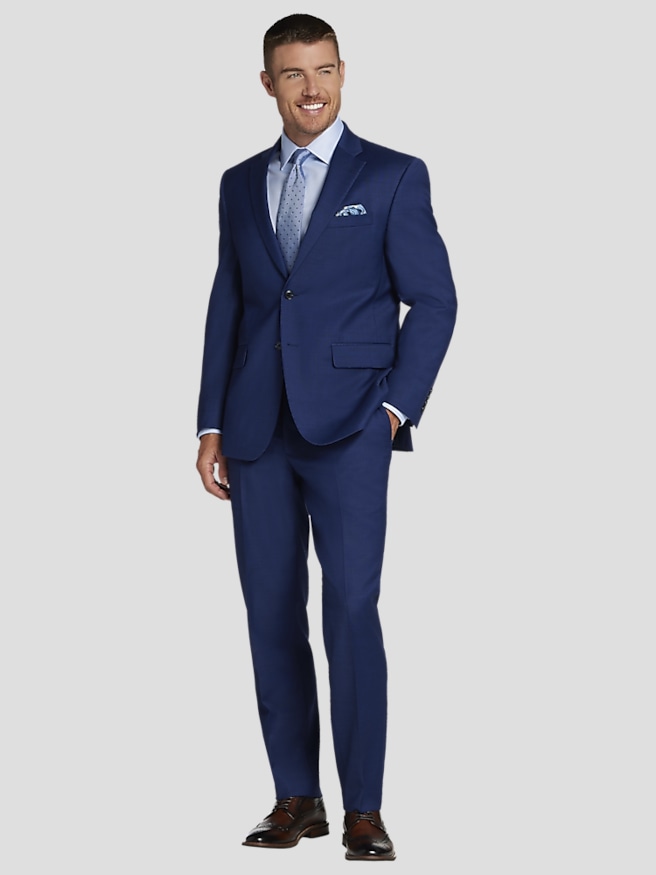
A spring wedding jacket looks most polished when its proportions work with the person wearing it, not simply with a size on a label. The shoulder line should sit cleanly, with the sleeves falling smoothly rather than showing pronounced dents or bunching. Across the chest, the fabric should lie comfortably when the jacket is buttoned, without pulling into a tight X around the closure. Enough room to sit through dinner, reach forward for a handshake, and offer a congratulatory hug makes a noticeable difference over several hours. A close-cut silhouette can look sharp, but it should still allow natural movement; a roomier cut should retain shape rather than hang loosely through the waist. Jacket length helps balance the torso and trousers, while sleeves that reveal a small amount of shirt cuff give the outfit a considered finish. These details matter in person and in the wedding photographs that will be revisited long afterward. Construction affects the overall impression, too. Softer shoulders and a lightly structured body lend themselves to relaxed ceremonies, while a more defined shoulder and a clean, shaped front create a dressier appearance. A smooth lining can help the jacket settle over a dress shirt, and vents provide ease when sitting or moving. Styling works best when the pieces share a similar level of formality. A tailored jacket with contrasting dress trousers can feel appropriate for many cocktail or semi-formal celebrations, while matching jacket and trouser fabrics create the unified appearance of a suit. A white or pale blue shirt provides a quiet foundation for a textured tie, and a pocket square can pick up a color from the outfit without duplicating the tie exactly. For wedding-party attire, coordination with the couple’s chosen palette keeps individual details from competing with the larger picture. Leather dress shoes, a suitable belt when the trousers require one, and restrained accessories complete the outfit without drawing attention away from the celebration.
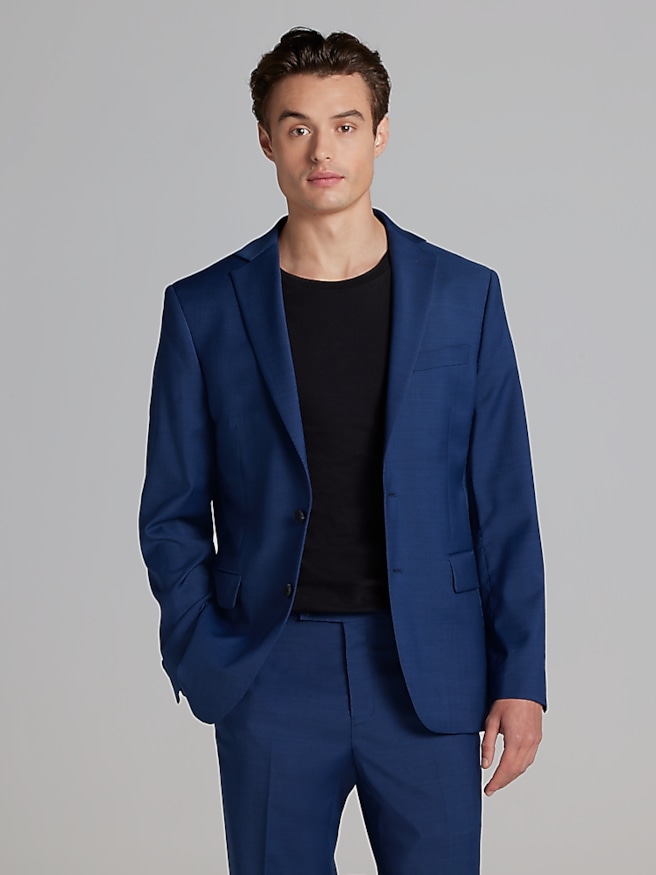
The usefulness of a wedding jacket extends beyond the ceremony, especially when its fabric, construction, and care requirements fit the wearer’s routine. A softly textured blue jacket might accompany dress trousers for a reception, then work with a different shirt and tailored separates for an anniversary dinner or graduation celebration. Solid colors and understated patterns generally offer more pairing possibilities than a highly distinctive motif, although a special occasion can also be a fitting reason to choose a more expressive texture. For a wardrobe that includes both celebrations and professional occasions, Spring Business Jackets offers a related perspective on lightweight tailoring, with the wedding invitation still setting the standard for event attire. Long-term appearance depends partly on how the jacket is handled between wears. A broad, shaped hanger supports the shoulders, and space in the closet helps prevent crushed lapels and unnecessary creasing. After an event, allowing the jacket to air in a ventilated area before putting it away can help it freshen naturally. Care instructions should determine the cleaning method, since shells, linings, and internal construction do not always respond to heat or moisture in the same way. Aggressive home pressing can flatten textured fabrics or leave shine on delicate surfaces, so stubborn wrinkles may call for professional attention. Small spills are best addressed promptly according to the care label, without vigorous rubbing that can damage the fabric’s surface. For travel to a destination wedding, a garment bag and careful packing help protect the jacket; hanging it upon arrival gives minor packing creases time to relax. Durability also comes from a comfortable fit that does not continually strain seams, along with secure buttons and neatly finished stitching. As a gift for a groom or another member of the wedding party, a jacket is most successful when the recipient’s measurements, preferred silhouette, and event dress code are already understood. Whether chosen for a single meaningful celebration or repeated occasions, spring wedding tailoring earns its place through balanced proportions, considered fabric, and details that feel comfortable from the first photograph to the final farewell.