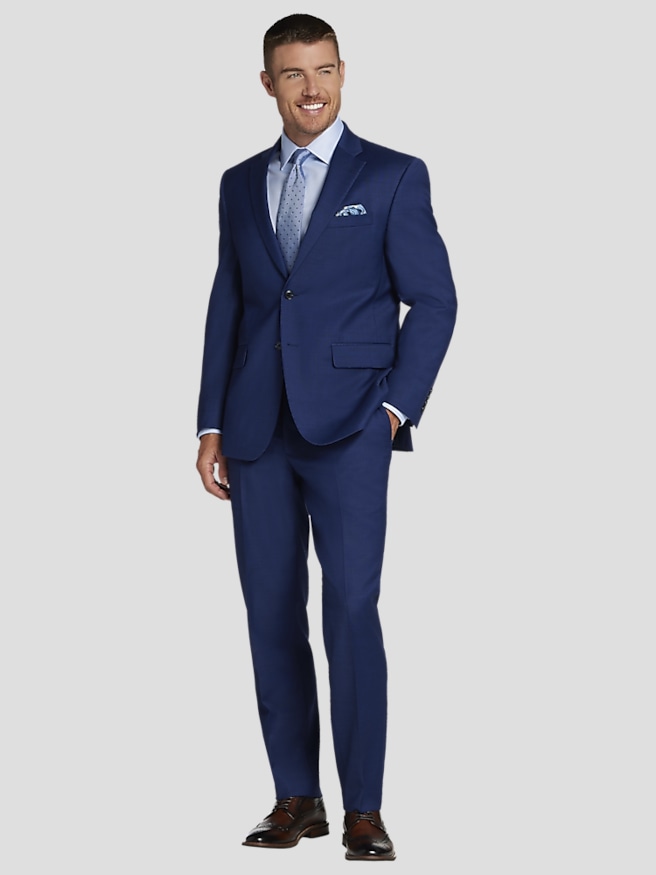
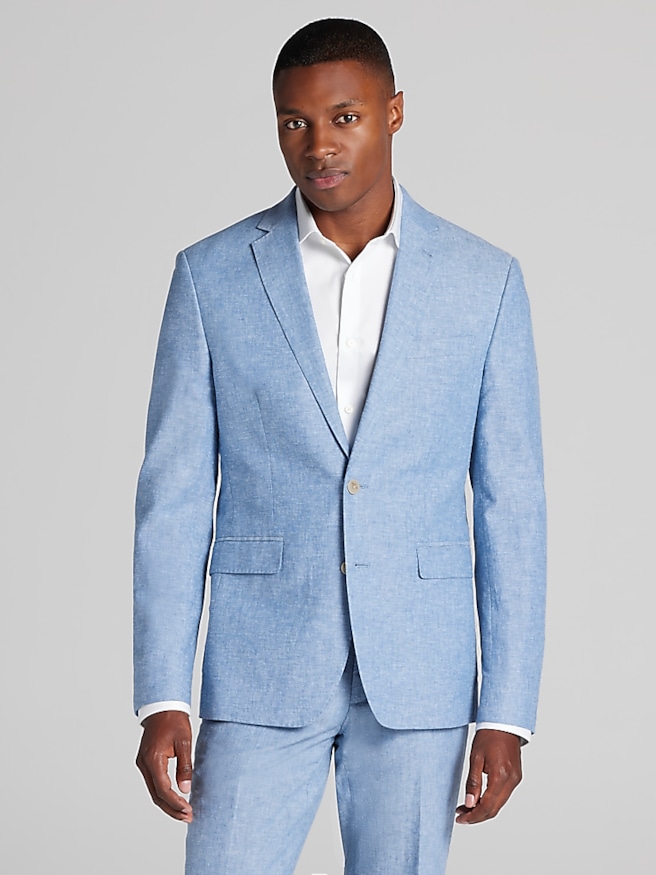
Spring business jackets bring a tailored finish to professional clothing without the weight or formality of a full suit. Blazers, sport coats, and softly constructed jackets can all serve that purpose, with the best choice depending on the workplace, the fabric, and the degree of structure. A defined shoulder and smooth worsted wool fabric convey a more formal impression for client presentations or interviews, while an unstructured sport coat in a cotton or linen blend feels more relaxed at a collaborative office or a lunch meeting. Lightweight wool is particularly useful for spring business dressing because it can breathe well, drape cleanly, and recover from everyday creasing. Linen has an airy feel and a distinctive texture, with natural wrinkles that suit less formal settings. Cotton offers a familiar, matte finish, while blends can balance texture, shape retention, and ease of wear according to their fiber content and construction. Seersucker blazers add another option: their puckered surface holds portions of the cloth away from the skin, creating a light feel that works especially well in workplaces comfortable with visible texture. Lining matters alongside the outer fabric. A partially lined or unlined jacket often feels less enclosed, though fabric weight and weave also affect comfort. Navy, medium blue, gray, and tan provide practical foundations for spring office outfits, pairing easily with dress shirts and trousers without requiring an exact fabric match. Subtle checks, small-scale patterns, and restrained Prince of Wales checks introduce visual interest while keeping the overall impression professional. From a desk-based workday to a networking reception, these jackets help bridge the space between traditional business attire and a more relaxed dress code. Their usefulness comes from that flexibility: enough shape to look intentional across a conference table, with enough ease to feel natural when the meeting ends and the conversation moves outside. A jacket with understated details can become a dependable part of a work wardrobe rather than something reserved for a single occasion.
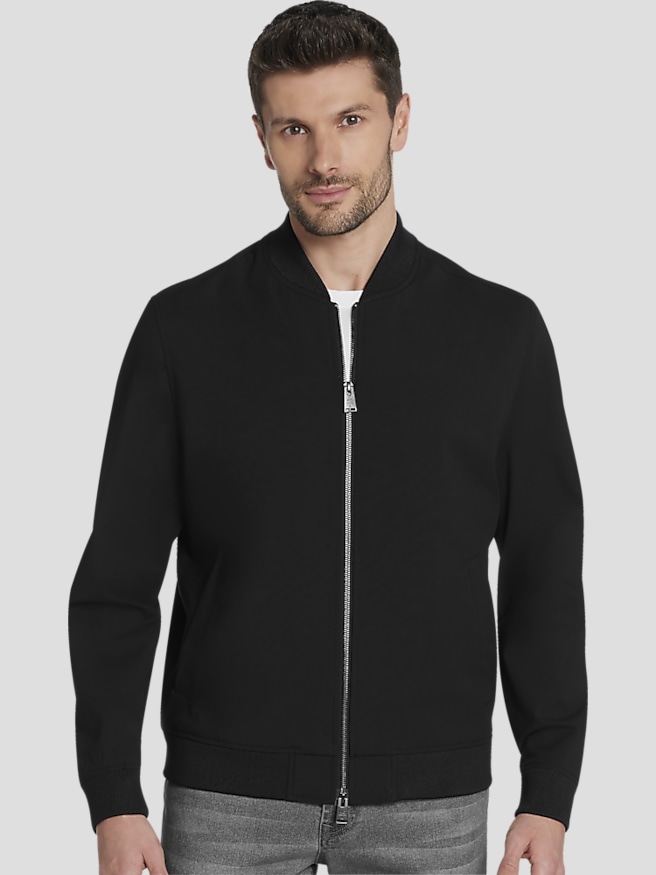
Fit gives a spring business jacket its polish, even when the construction is soft and the fabric is casual. Shoulder seams should generally sit near the edge of the shoulders, with the fabric resting smoothly rather than extending into a ledge or pulling across the upper back. The lapels should lie flat against the chest, and the front should close without pronounced tension lines around the button. A comfortable jacket leaves room to reach for a laptop, take notes, or sit through a presentation without binding at the upper arms. Slim fits tend to follow the torso more closely, while classic fits usually allow additional room through the chest and waist; neither should feel restrictive or look oversized. Jacket length also affects the silhouette, with traditional tailored proportions generally covering the seat and balancing the upper and lower body. Sleeves commonly finish near the wrist bone, leaving a small amount of dress-shirt cuff visible when the arms are relaxed. These details are worth assessing with the type of shirt or knitwear intended for regular wear, since an extra layer can change how the chest and sleeves feel. Construction influences the result as much as sizing. Light shoulder padding creates a more defined outline, while a natural shoulder gives a softer appearance. Side vents can provide ease when sitting and help the jacket fall smoothly over the hips. Patch pockets lean casual, whereas flap or welt pockets often look dressier, depending on the rest of the design. For a business-casual office, a textured blazer with a solid shirt and chinos offers an approachable combination; for a more formal appointment, smooth wool trousers and a crisp dress shirt create a sharper finish. A cotton twill button-up jacket can suit a particularly relaxed workplace, though its casual silhouette does not replace a tailored blazer where business dress is expected. Keeping patterns in proportion also helps: a quiet checked jacket usually looks more composed with a plain shirt than with several competing prints.
The most useful spring business jackets hold up to repeated wear and fit naturally into everyday routines. Durability depends on more than fabric thickness. An even weave, secure buttons, tidy seams, and well-finished pocket openings all contribute to how a jacket handles the repeated movement of commuting, sitting, and carrying essentials. Lightweight fabric is not necessarily fragile, but loosely woven cloth can be more susceptible to snagging against rough surfaces or bag hardware. Overfilled pockets can distort a jacket’s shape, so a slim card case and a lightly packed interior pocket tend to preserve cleaner lines than a bulky wallet or a cluster of keys. Care should always follow the garment’s label, especially with blended fabrics, linings, and internal structure that may respond differently to moisture or heat. Some cotton jackets permit washing, while many tailored wool and linen-blend styles call for professional cleaning. Between cleanings, airing a jacket after wear and using a broad, supportive hanger can help maintain its shape. A clothing brush suitable for the fabric can remove surface dust, and prompt attention to spills reduces the chance of a lasting mark. Pressing or steaming should match the care instructions; excessive heat or pressure can flatten texture or leave shine on some fabrics. For business travel, a jacket that recovers reasonably well from creasing and coordinates with multiple pairs of trousers makes packing simpler, although no fabric stays perfectly smooth under every condition. Spring business jackets also have uses beyond the office, including graduation celebrations, professional association gatherings, and dinners that call for something more polished than a shirt alone. For occasions with a celebratory dress code, Spring Wedding Jackets offer a related direction for tailored dressing. A business jacket can also make a thoughtful gift for a graduate beginning a career or someone moving into a more client-facing role, provided their measurements and workplace expectations are known. The strongest choice is one that suits the wearer’s actual schedule, feels comfortable through a full day, and keeps its character with attentive care.