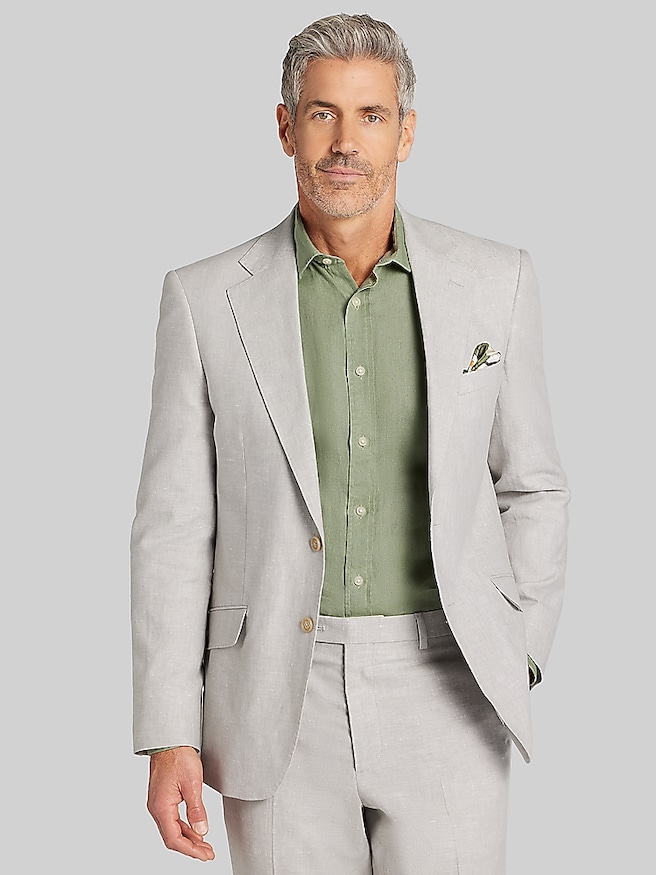
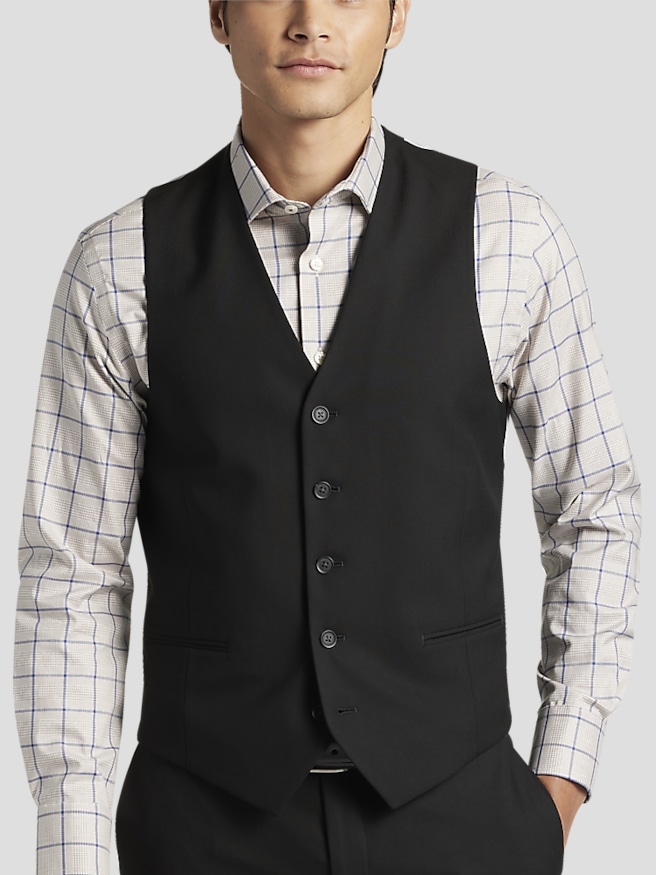
Spring dress suits bring tailored structure to occasions that call for a polished appearance, with fabrics, colors, and construction suited to the season’s mix of indoor gatherings and outdoor celebrations. They work for spring weddings, graduation ceremonies, religious services, business meetings, and milestone dinners, with the level of formality shaped by the cloth and styling. A navy or medium-gray suit can move easily from a client presentation to an evening reception, while pale gray, tan, and softer blue create a lighter impression for daytime events. Subtle pinstripes, fine checks, and textured weaves add interest without requiring a bold color. Fabric makes a meaningful difference in how a suit feels through a full day. Lightweight wool can provide breathability, a clean drape, and good recovery from ordinary creasing, making it useful for schedules that include driving, sitting, and standing for photographs. Tropical wool generally uses an open weave that encourages airflow, though the finished garment’s comfort also depends on its lining and construction. Linen has an airy feel and visible texture, with natural wrinkles that suit more relaxed celebrations. Cotton offers a crisp appearance and a less formal character, but it can crease at the elbows and behind the knees. Blended fabrics may balance softness, shape retention, and ease of movement; their performance depends on the fibers and proportions involved rather than the blend label alone. A partially lined jacket may feel less enclosed than a fully lined one, while a smooth lining can help the jacket slide comfortably over a dress shirt. For an afternoon ceremony followed by a reception indoors, that balance of airflow and structure can matter as much as color. The strongest choice reflects both the setting and the wearer’s routine: a suit intended for repeated office wear has different demands than one reserved for a garden wedding or a graduation stage.
Fit gives a spring dress suit its shape and determines whether it remains comfortable beyond the first few minutes. The jacket’s shoulders should follow the body without extending into a pronounced overhang or pulling into dents beneath the sleeve. A collar that rests close to the shirt collar helps the back of the jacket look clean, while lapels should lie smoothly against the chest rather than bow outward. Through the waist, a tailored outline can look sharp without creating tension around the fastening button. Deep pulling lines, flaring vents, or sleeves that restrict an ordinary handshake can indicate that the proportions need attention. Slim, modern, and classic fit descriptions offer a starting point, but those labels do not replace an assessment of shoulder shape, chest room, jacket length, and trouser balance. Someone with broad shoulders may need more room through the upper body even when a narrow waist is preferred. Someone who spends much of the day seated may appreciate additional space through the thighs and a rise that stays comfortable at the waistband. Jacket length also affects the overall impression: sufficient coverage through the seat usually creates a balanced, traditional line, while an excessively short cut can make the outfit look undersized. Trousers should hang cleanly from the waist without relying on a tightly cinched belt to hold their shape. A slight break at the shoe gives a familiar dress finish, while a shorter, clean hem can suit a more contemporary silhouette. The opening at the ankle should work with the footwear rather than bunching heavily over it. Tailoring can refine sleeve length, trouser hems, and some waist shaping, but major shoulder changes are more involved. For a ceremony that includes stairs, a long meal, and an evening of dancing, ease through the seat, knees, and upper back is part of a polished fit, not a compromise.
The finishing details allow the same spring suit to serve several purposes without losing its character. A white dress shirt and restrained tie keep the emphasis on clean tailoring for a formal daytime ceremony, while pale blue or a discreet shirt pattern can soften the look for a celebratory lunch. Fabric texture helps establish the mood: a smooth silk tie looks dressier than a visibly textured one, and a neatly folded pocket square adds definition without needing to match the tie exactly. Leather lace-up shoes support a traditional business or wedding outfit; loafers can work with less formal tailoring when the invitation and venue allow. For occasions built around separates, Spring Dress Pants provide a related foundation for a sport coat or dress shirt, though a coordinated suit calls for jacket and trousers made from matching cloth. Similar colors alone may reveal differences in weave or sheen under daylight. Thoughtful care helps preserve that consistent appearance. The garment’s care label should determine the cleaning method, especially when the shell fabric, lining, and internal construction have different needs. A soft clothing brush can lift surface dust, and time on a broad, supportive hanger allows the jacket to air between wears. Trousers hung neatly by the appropriate method are less likely to develop unnecessary folds. Cleaning only when needed, with prompt professional attention to stubborn marks, helps avoid unnecessary treatment; both pieces may need cleaning together to maintain a uniform appearance. Linen’s relaxed creasing is part of its character, while a wool suit often benefits from rest between outings. For travel, a garment bag and careful folding help protect the jacket’s shape, although pressing may still be needed after arrival. A spring suit can also make a meaningful graduation or career-milestone gift when sizing, personal taste, and tailoring are considered. Whether worn for a first major presentation or a family celebration, its lasting usefulness comes from sound fabric, balanced proportions, and care that respects how the garment is made.