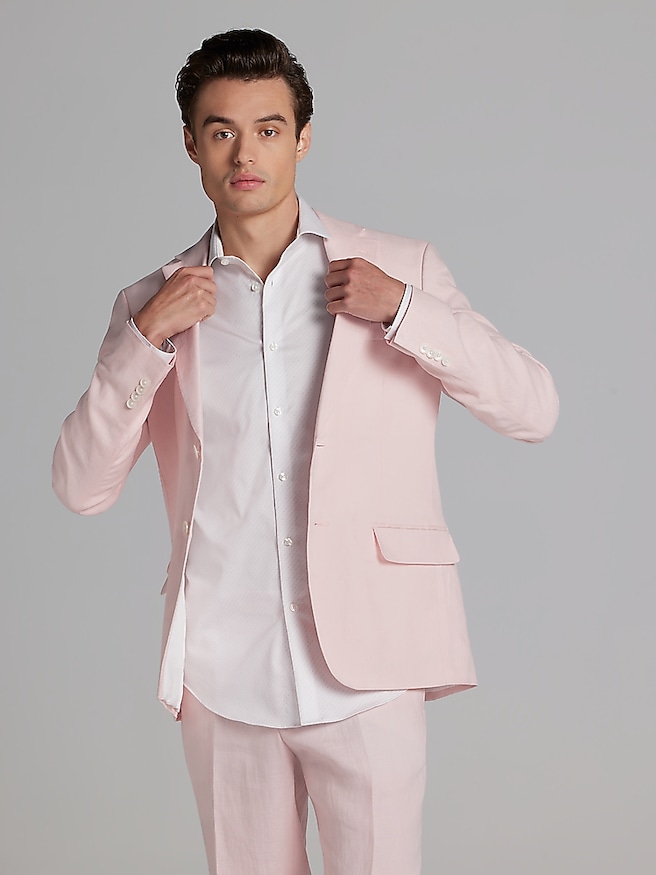
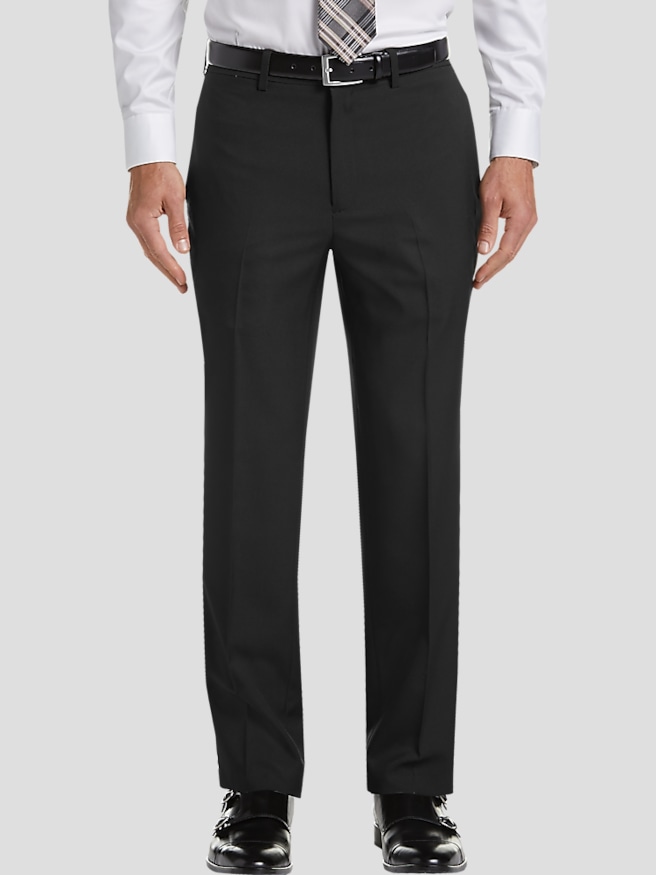
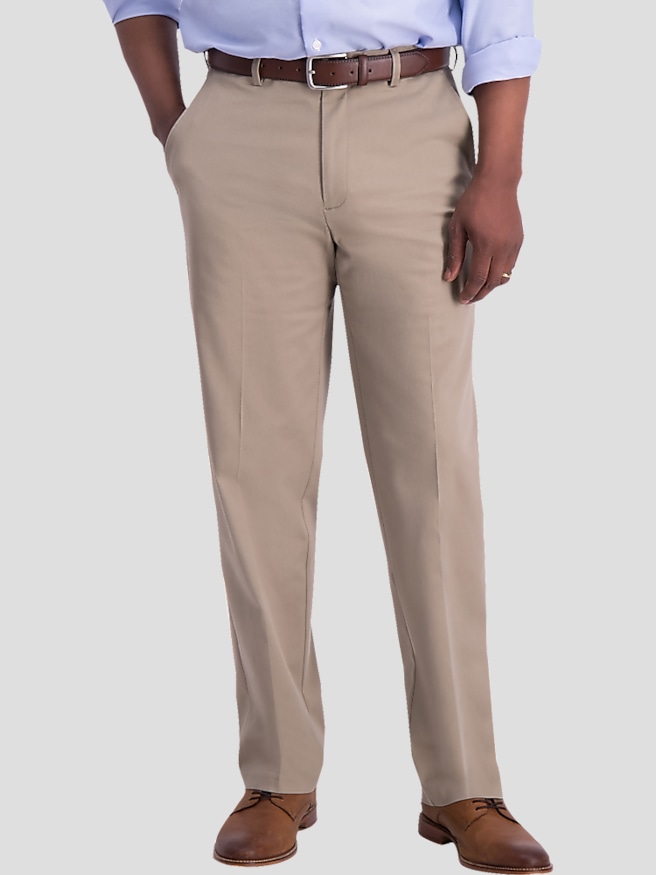
Spring dress pants bring tailored structure to occasions that call for more polish than denim or chinos, with lighter fabrics and softer colors suited to the season. For men dressing for the office, a graduation ceremony, or a spring wedding, the most useful pair balances a clean drape with enough ease to sit, walk, and spend several hours comfortably dressed. Lightweight wool, tropical wool, linen blends, and cotton blends each offer a distinct feel. Tropical wool uses a relatively open weave that encourages airflow while preserving the smooth appearance associated with traditional dress trousers. Its appeal is especially clear on a day that includes a commute, a morning presentation, and dinner afterward: the fabric hangs neatly without the bulk of heavier wool. Linen has an airy feel and a lightly textured surface, with natural creasing that contributes to a more relaxed appearance. Blending linen with other fibers can soften that effect or improve shape retention, depending on the construction. Cotton dress pants tend to have a matte finish and a more structured hand, making them a natural fit for offices where a sport coat is welcome but a matching suit is not expected. A modest amount of stretch can add flexibility through the seat and knees, though fiber content alone does not determine comfort; weave, lining, and cut matter just as much. Breathability is particularly helpful for outdoor ceremonies and receptions that move between a garden setting and an indoor dining room. Lightweight fabric should still have enough substance to hang smoothly, rather than cling or reveal pocket outlines. Pale gray, stone, tan, and muted blue give spring tailoring a lighter visual character, while navy and medium gray provide a familiar foundation for regular wear. Subtle checks or fine texture can add depth without making an outfit feel busy. The result is a category of trousers that can look crisp beside a white dress shirt, relaxed beneath an unstructured jacket, or quietly formal with carefully chosen leather shoes.
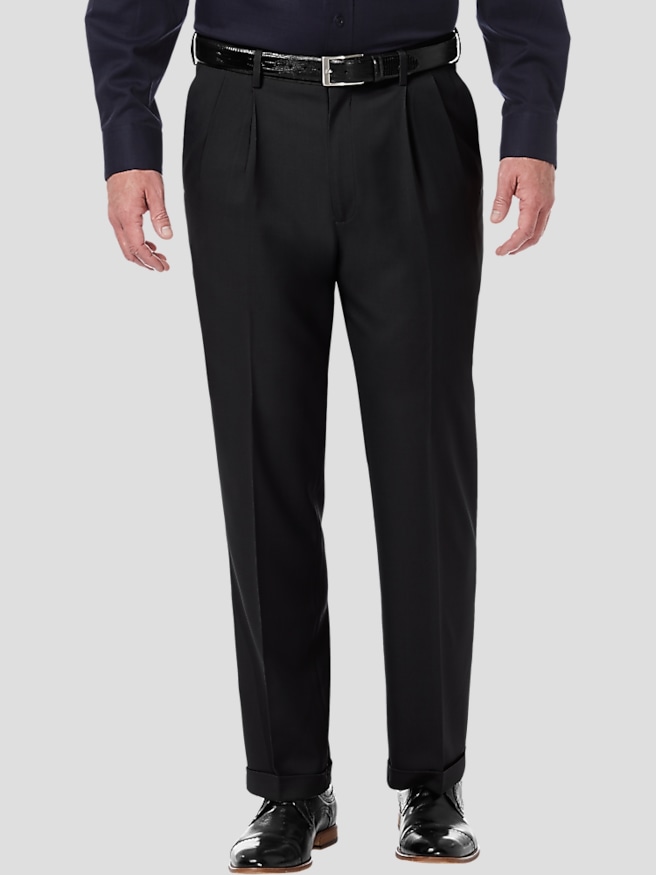
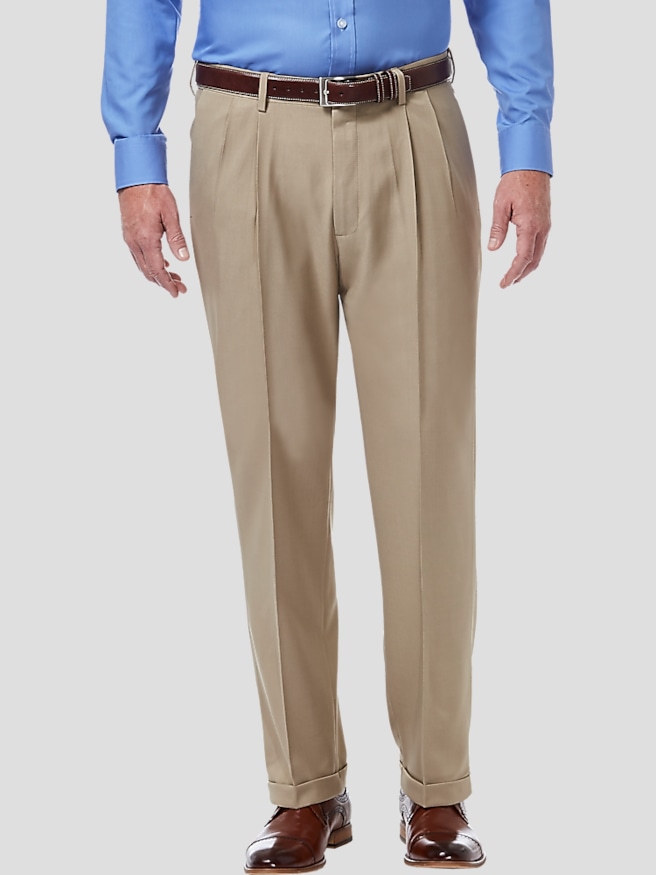
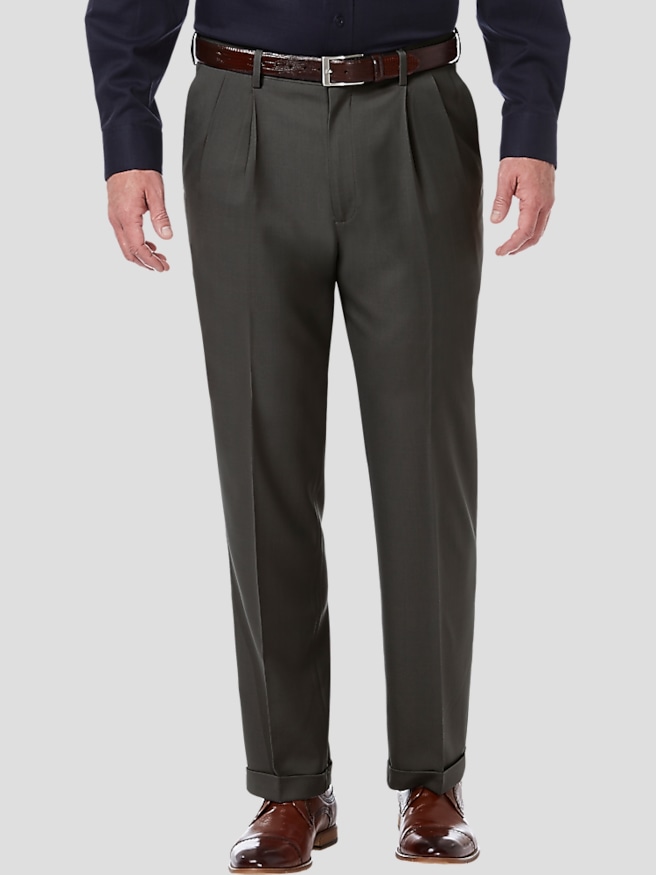
Fit gives spring dress trousers their character, whether the preference is a narrow silhouette or a roomier leg with a soft, fluid drape. A well-proportioned waistband rests securely without requiring a tightly cinched belt, and the front stays smooth instead of pulling across the pockets. Through the seat and thighs, enough room for sitting is essential; a pair that looks sharp while standing should remain comfortable through a lengthy ceremony or an afternoon at a desk. Slim fits generally follow the leg more closely, while straight and classic fits provide additional ease without necessarily looking oversized. Neither approach is inherently dressier. The cleaner result comes from matching the cut to the wearer’s proportions and leaving the fabric free to fall naturally. Rise also affects the overall line. A slightly higher rise can pair comfortably with tucked shirts and help maintain a continuous silhouette beneath a jacket, while a lower rise creates another proportion that may suit personal preference. Flat-front trousers offer an understated appearance, and pleated styles introduce extra room near the hips with a more shaped drape. Pleats should lie closed at rest rather than spread under tension. Length deserves equal attention: a slight break creates a traditional finish over dress shoes, while little or no break gives the hem a sharper, lighter appearance. Excess fabric pooling at the ankle can make otherwise well-fitting pants look heavy. Footwear helps establish the mood, with lace-up leather shoes supporting business attire and loafers lending themselves to less formal gatherings. A light blue shirt with medium-gray trousers works for a client meeting; a textured jacket over tan dress pants feels appropriate for a daytime celebration. For spring weddings, the invitation’s dress code remains the best reference, since separate trousers are not a substitute for every level of formal attire. When the setting calls for something more relaxed, Casual Spring Pants offer a related direction for weekend lunches, informal gatherings, and everyday outfits that do not need the same tailored finish.
The details inside and outside a pair of dress pants influence how well they serve a wardrobe beyond a single occasion. Smooth pocket bags, secure buttons, a dependable zipper, and neatly finished seams contribute to comfortable, repeated wear. Partial lining can help trousers slide easily over the thighs, although heavier or less breathable linings may change how a lightweight outer fabric feels. Stretch can be useful for travel and long stretches of sitting, but a suitable fit remains more important than asking the fabric to compensate for tightness. Durability depends on the combination of material, construction, use, and care rather than one fiber being universally strongest. Frequent friction at the inner thighs, overfilled pockets, and repeated pulling at the waistband can put stress on any pair. Keeping a phone or bulky key ring out of the front pockets also preserves the smooth line that makes dress trousers look finished. Care instructions deserve attention before the first wear because wool, linen blends, cotton blends, and performance fabrics may require substantially different treatment. Some trousers are washable, while others call for professional cleaning; the garment label should determine the method. Airing pants after wear and addressing small marks promptly according to those instructions can help avoid unnecessary full cleaning. Hanging them neatly supports their shape, and pressing with the appropriate heat setting helps restore a crease without damaging the surface. A pressing cloth can reduce the risk of shine on fabrics that tolerate ironing. Rotating pairs between wears gives each time to air out and makes everyday tailoring easier to maintain. For someone building a first professional wardrobe, versatile spring dress pants can cover interviews, office days, and milestone dinners with a change of shirt or jacket. They can also make a thoughtful graduation or career-milestone gift when the recipient’s measurements and fit preferences are known. The lasting value lies in a combination of comfortable movement, practical care, and proportions that feel natural enough to wear repeatedly.