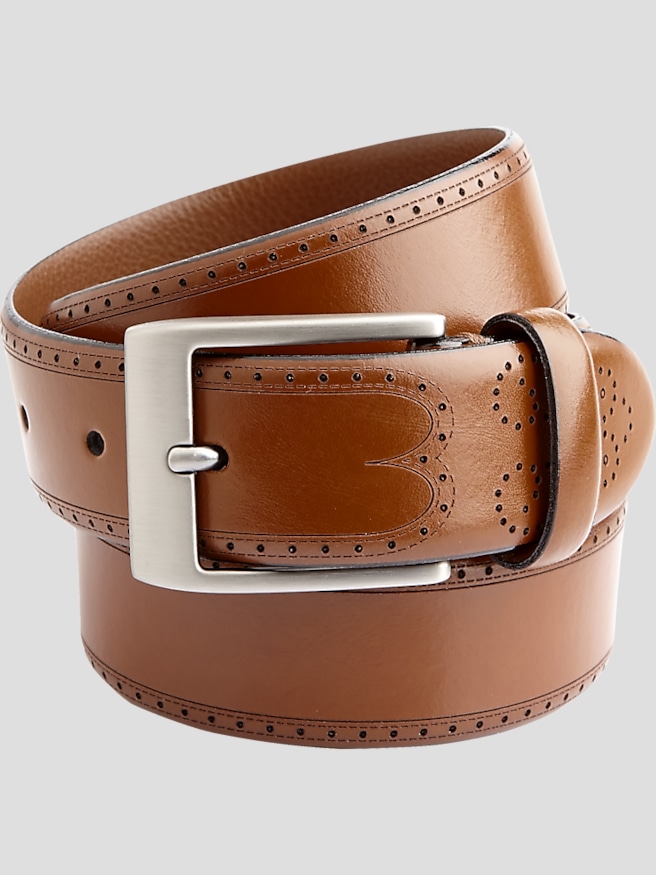
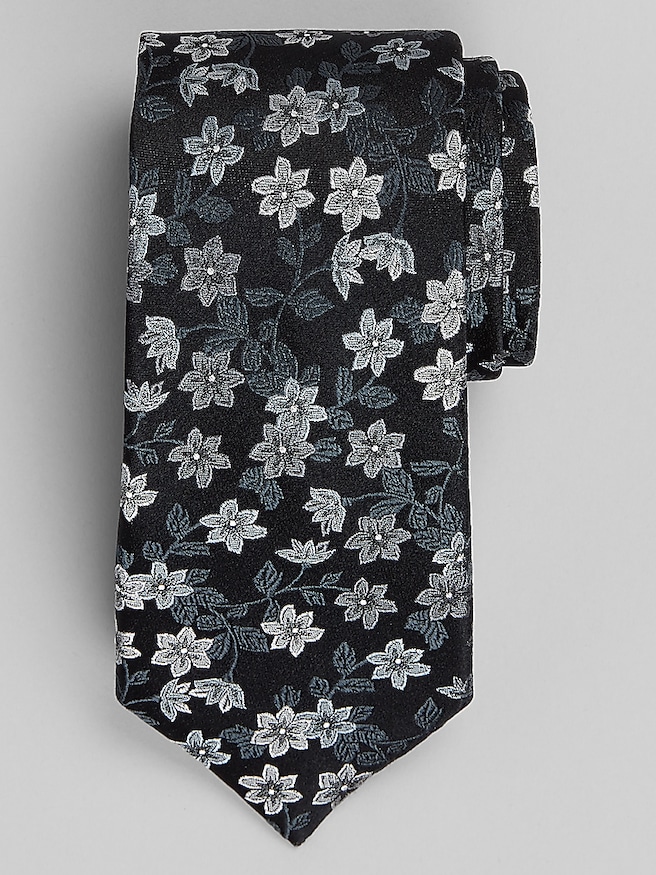
Spring accessories bring lighter color, distinctive texture, and practical finishing touches to men’s tailored and casual clothing. Ties, pocket squares, belts, dress socks, sunglasses, and hats can change the character of an outfit without changing its foundation. A navy suit feels more relaxed with a softly textured tie and a pocket square edged in pale blue; a cotton sport coat gains definition from a brown leather belt and coordinated shoes. The effect does not have to be bold to feel intentional. Sage, dusty blue, lavender, soft pink, and warm neutrals complement familiar shades of navy, gray, tan, and white, while deeper greens and blues add contrast without overwhelming lighter fabrics. Softly colored spring ties work especially well for wedding celebrations, graduation ceremonies, office gatherings, and other occasions that call for polish with some personality. Small florals, spaced dots, and restrained stripes each create a distinct impression: a fine pattern reads subtly across a conference table, while a larger motif makes more of a statement in photographs. Pattern scale matters as much as color. A narrow shirt stripe has room beside a larger tie pattern, whereas two patterns of nearly identical size can compete visually. Pocket squares look considered when they echo one color in the outfit rather than duplicate the tie exactly. A crisp white fold keeps the focus on the jacket and shirt, while a soft fold in a patterned square adds movement. Texture provides another way to introduce interest without adding more color. A woven belt, a matte tie, or subtly ribbed socks can make a simple combination feel complete. For everyday use, accessories in related brown, navy, and neutral tones move easily among several outfits. More expressive accents have their place, too, especially when the rest of the clothing stays quiet enough to let a floral motif, an interesting weave, or a distinctive frame shape stand on its own.
Materials influence how spring accessories look, feel, and hold up through repeated wear. Silk can have a smooth sheen or a textured finish, depending on the weave, making it suitable for both formal occasions and less structured tailoring. Linen has a dry, slightly irregular surface that pairs naturally with textured jackets, although creasing is part of its character. Cotton offers a softer, often more matte appearance, while blended fabrics may balance texture with easier maintenance; the care label remains the best reference for any particular piece. Tie construction also affects the finished look. The fabric and interlining influence the size of the knot and how cleanly the tie hangs, so a substantial knot can feel crowded beneath a narrow shirt collar. Tie length is most balanced when the tip reaches approximately the belt line, accounting for trouser rise and the knot being worn. Bow ties need a comfortable neck adjustment that sits securely without pressing against the collar. Belt fit deserves similar attention: a comfortable fastening should leave a manageable amount of strap rather than a long end extending around the waist. Smooth leather usually complements dressier shoes, while woven textures suit more relaxed trousers and jackets. Coordinating leather tones creates cohesion without requiring an exact color match. Socks contribute comfort as well as color, with breathable cotton blends, smooth seams, and a secure cuff helping them feel comfortable through a long day. Enough coverage to keep the leg covered when seated is particularly useful with tailored trousers. Sunglasses should sit evenly, stay secure when looking down, and avoid pinching at the temples or sliding along the nose. Lenses labeled for 100% UVA and UVB protection address sun exposure; lens darkness alone does not establish that protection. Lightweight hats offer shade and visual texture, with a stable, comfortable fit making them easier to wear through an outdoor ceremony or an afternoon gathering.
The most useful spring accessories suit the occasion and the way the day will unfold. At a garden wedding, textured neckwear and a pocket square can complement a lighter suit without making the outfit feel overly coordinated. Sunglasses have a practical role before and after the ceremony, while a slim wallet keeps jacket and trouser pockets from looking bulky in photographs. For a graduation, a tie that sits neatly beneath the gown and comfortable socks make sense for a schedule that includes standing, walking, and sitting. An office outfit often calls for quieter details: a small-scale pattern, a clean belt finish, and socks that relate to the trousers create a composed look across meetings and dinner afterward. Accessories can also make thoughtful gifts for a graduate, a partner, a father, or someone beginning a new role. Ties and pocket squares allow for personal expression without requiring the same measurements as tailored clothing, while belts and hats benefit from knowing the recipient’s size. Familiar colors and patterns are helpful clues to what will be worn repeatedly rather than saved for an unlikely occasion. Longevity depends on both construction and care. Even stitching, neatly finished edges, secure hardware, and fabric that lies smoothly are useful details to examine. After wear, fully loosening a tie rather than pulling the narrow end through a tight knot reduces unnecessary strain. Drying time between wears helps leather accessories recover from moisture, and cleaning methods should follow the material’s care instructions. Pocket squares keep their shape better when stored clean and flat or loosely folded; sunglasses benefit from a protective case and a clean lens cloth. For travel, separating small accessories from shoe soles and exposed hardware helps prevent scuffs and snags. These practical details support a spring wardrobe that feels personal, works across several settings, and remains polished beyond a single celebration.