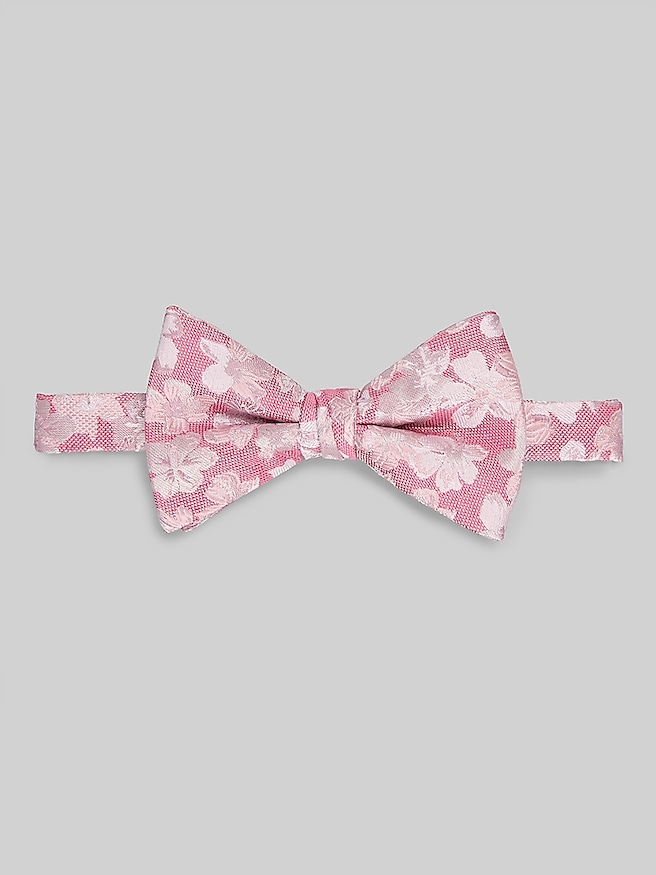
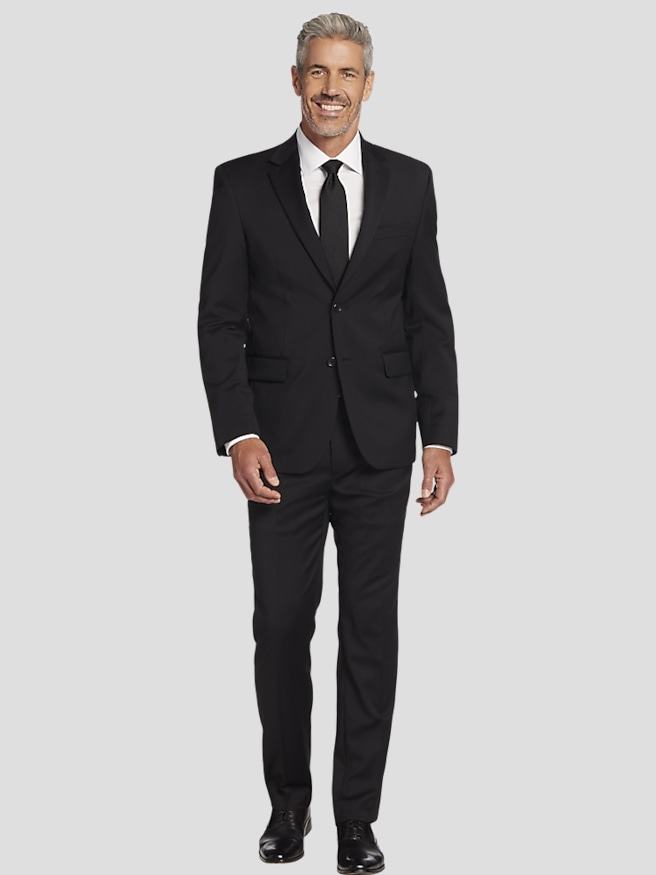
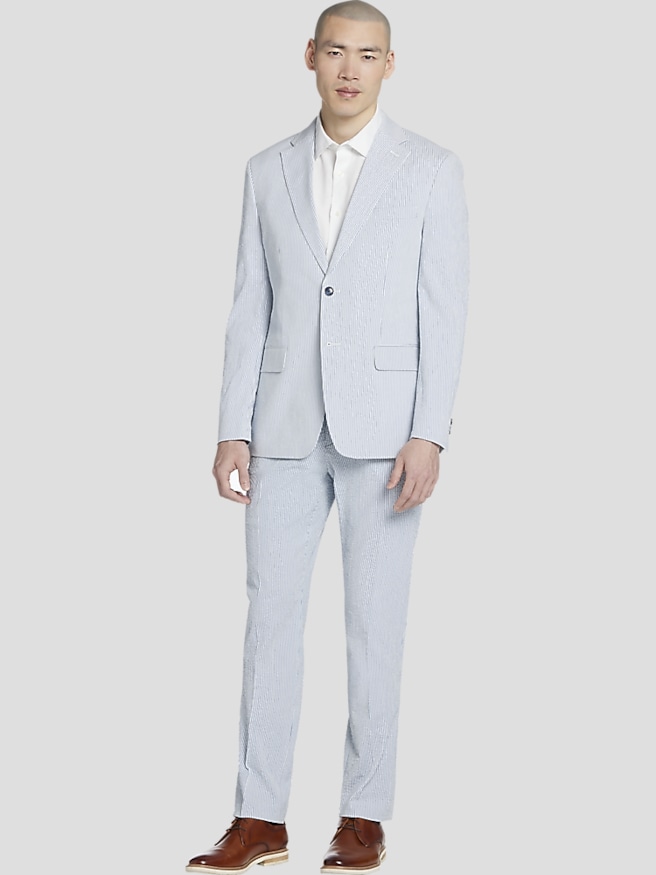
Spring style in men’s clothing centers on lightweight layers, breathable fabrics, and colors that bring freshness to everyday and occasion dressing. Soft blue, sage, cream, and muted pink sit comfortably alongside navy, gray, and tan, while subtle stripes, small checks, and restrained floral patterns add personality without overwhelming an outfit. The effect can be relaxed or polished: a softly structured jacket over an open-collar shirt feels appropriate for a daytime gathering, while a coordinated suit with a textured tie creates a more formal impression. Spring clothing also needs to handle the practical details of the season, including an outdoor ceremony followed by an air-conditioned reception or a morning commute that calls for an extra layer. Fabric choice makes a noticeable difference in those settings. Cotton offers a familiar, comfortable feel for shirts and trousers, although its weight and weave influence how airy it feels. Linen has an open, textured character and develops natural creases that suit less formal occasions. Linen blends can soften that rumpled effect while preserving some of the fabric’s easygoing appearance. Lightweight wool can work well for spring tailoring because a fine, open weave allows airflow and helps the fabric drape cleanly. Fiber content alone does not determine comfort; a densely woven fabric or substantial lining can feel warmer than its label suggests. Unlined or partially lined jackets often have a lighter feel, while more structured construction creates a defined silhouette. Texture provides another way to build seasonal character without relying entirely on color. A matte woven tie, a subtly slubbed shirt, or a jacket with a visible weave can give familiar neutrals more depth. These details make spring style useful beyond special occasions, especially for people whose days move between an office, a restaurant, and time outdoors. A wardrobe built around compatible colors and considered fabric weights can accommodate those changes without making every outfit feel like a separate project.
Fit gives spring clothing its shape, whether the intended look is tailored, easygoing, or somewhere between the two. A jacket should sit smoothly across the shoulders, with enough room through the chest to button without pulling. Excess fabric can look bulky in a lightweight material, but a close fit that strains across the back can be uncomfortable during a long reception or a seated dinner. Trousers benefit from the same balance: a clean line through the leg, a waistband that stays comfortable while sitting, and sufficient room to walk naturally. Stretch can support movement, but it cannot compensate for a garment that is too small. Shirt collars should feel comfortable when fastened, and sleeves should allow normal movement without dragging the cuff far up the wrist. These details become especially noticeable in spring outfits with fewer layers, where proportion does much of the work. A jacket’s length, the width of a trouser leg, and the amount of fabric resting above a shoe all influence whether an outfit looks deliberate. For a graduation ceremony followed by lunch, breathable tailoring and a shirt that stays neatly tucked can offer polish without unnecessary formality. For a business presentation, a pale shirt under navy or gray tailoring creates contrast while keeping the overall impression composed. Wedding attire depends more closely on the invitation, venue, and stated dress code; a light color does not automatically make a suit suitable for every celebration. A spring event outfit for a garden gathering might emphasize texture and softer tones, while a formal evening setting may call for darker tailoring and more traditional accessories. Footwear helps establish that distinction. Smooth leather generally reads as dressier than textured suede, and a streamlined shoe gives tailored trousers a cleaner finish. Accessories work best when they support the clothing rather than compete with it. A patterned tie can stand out against a quiet shirt, while a pocket square can echo one color in the outfit without matching every detail.
The lasting value of spring clothing often comes from how comfortably it wears, how readily it coordinates, and how well it responds to routine care. A shirt that works beneath tailoring and on its own has a useful place in a wardrobe, as do trousers that look appropriate with either a jacket or a simple knit layer. Neutral foundations make softer colors and expressive patterns easier to wear repeatedly, rather than reserving them for a single event. Durability depends on more than fabric thickness. Consistent stitching, secure buttons, well-finished seams, and reinforcement at frequently stressed areas all contribute to how clothing holds up through regular use. Lightweight fabrics still need thoughtful handling, particularly around pocket edges, cuffs, and areas exposed to friction. Care labels provide the most reliable starting point because blends, dyes, linings, and construction can require distinct treatments. Washable cotton may need reshaping and a careful press, while tailored wool often benefits from airing between wears and cleaning according to its label rather than after every brief outing. Linen’s creases are part of its character, though pressing can create a crisper appearance when an occasion calls for it. Heat settings matter, especially with blended fabrics, and testing a steamer on an inconspicuous area can help protect the finish. Broad hangers support jacket shoulders, while properly hung trousers are less likely to develop unwanted folds. Shoes also benefit from attention between wears: dust removal, suitable care for the material, and time to dry naturally help maintain their appearance. For travel to a spring celebration, allowing packed clothing to hang upon arrival gives compressed fabric time to relax before any additional care. Spring clothing can also make a thoughtful gift for someone celebrating a graduation, beginning a new role, or building a more versatile wardrobe. Familiarity with the recipient’s measurements, usual dress code, preferred colors, and care habits makes the choice more personal. The most useful pieces fit not only the body but also the occasions and routines they are meant to serve.