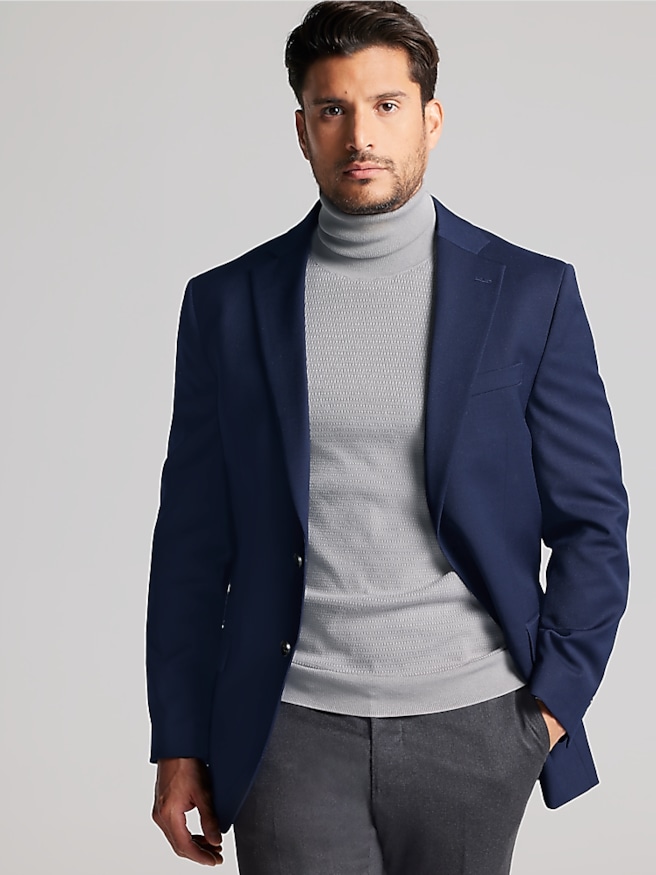
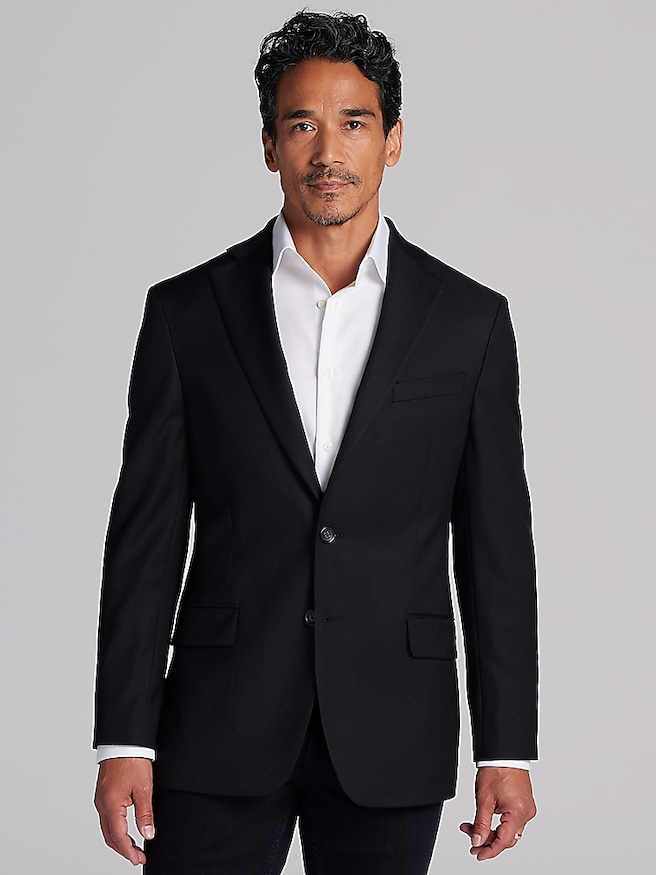
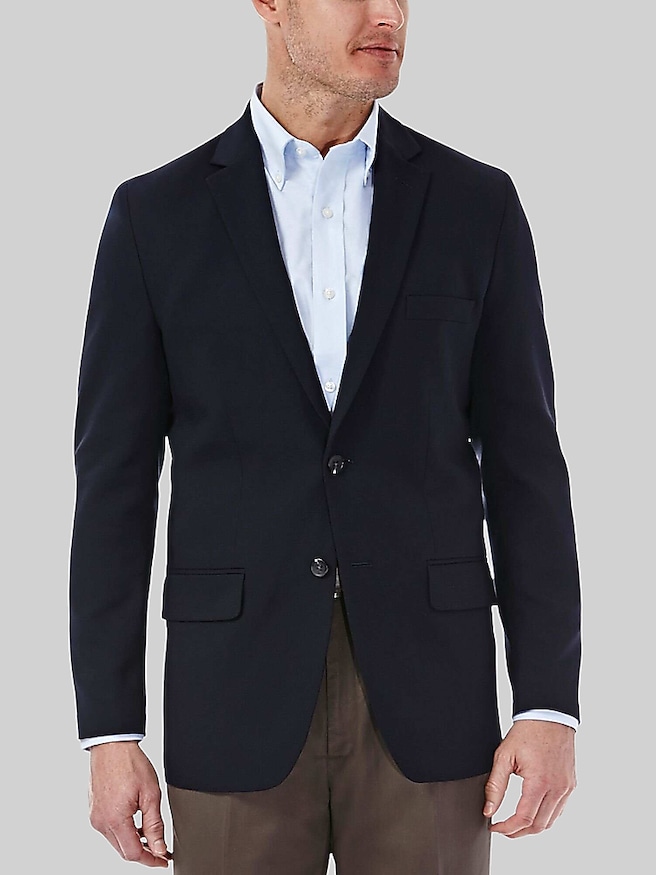
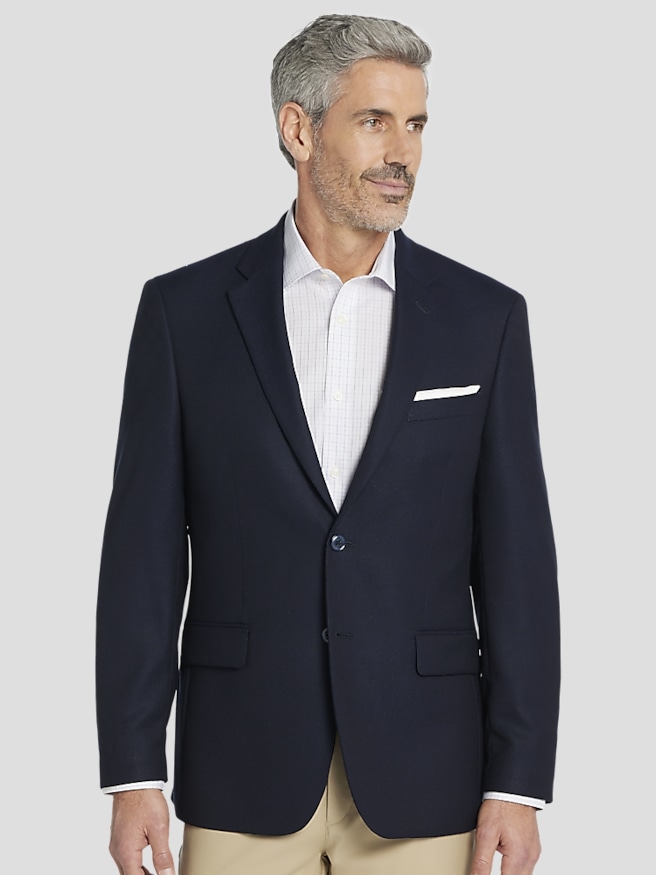
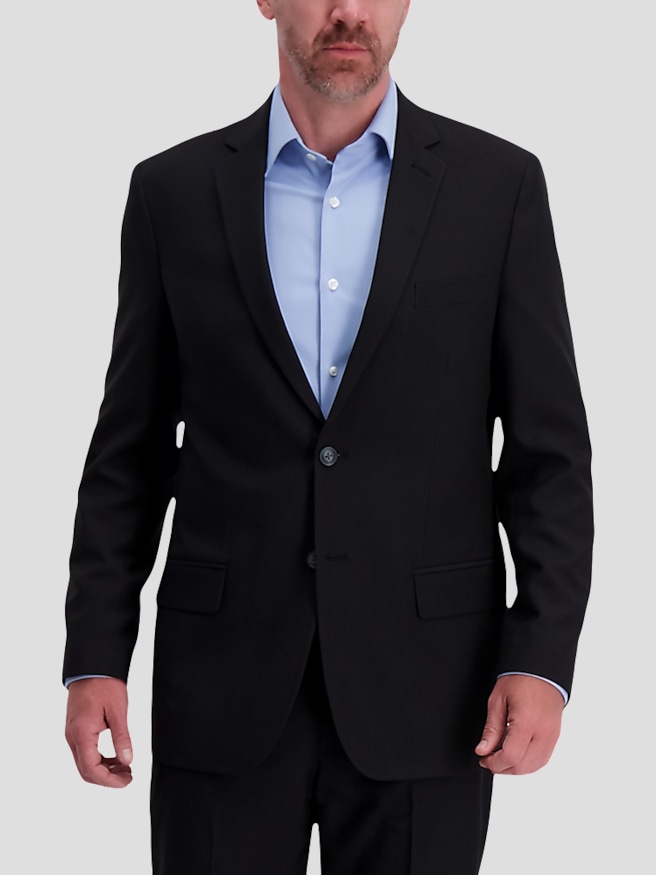
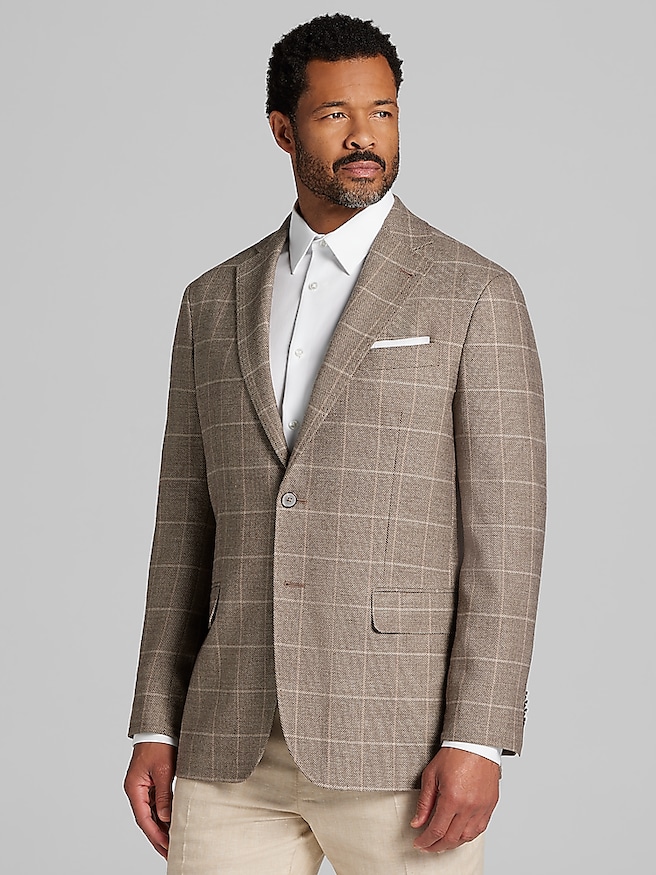
Men’s sport coats bring structure to everyday outfits without requiring matching trousers, making them a versatile choice for business casual offices, dinners, celebrations, and other occasions that call for a polished appearance. A sport coat is generally designed to stand on its own, with fabric, texture, or pattern that complements a separate pair of pants rather than completing a suit. That distinction gives it room to work with everything from tailored wool trousers to chinos and dark denim, depending on the setting. A navy jacket over a pale blue shirt and gray trousers feels appropriate for a client lunch; a subtly textured brown jacket with an open-collar shirt creates a more relaxed impression at a restaurant. Solid colors provide a straightforward foundation, while checks, herringbone, and small-scale woven patterns add depth without necessarily making an outfit feel busy. Texture matters as much as color: a softly textured surface can make a jacket feel less formal, while a smoother finish often looks sharper alongside crisp shirts and polished leather shoes. When the jacket has a noticeable pattern, quieter shirts and trousers give that pattern space rather than competing with it. Sport coats also offer flexibility across dress codes, although they do not replace a suit or formal attire when an invitation specifically requires one. For a presentation, a collared shirt and tailored trousers create a composed combination; for a dinner with friends, a fine-gauge knit and clean, understated shoes can soften the same general silhouette. The result depends on the whole outfit, not just the jacket. Trouser fit, shirt length, footwear, and the amount of contrast between pieces all influence whether the look reads as professional, relaxed, or celebratory. For someone building a smaller wardrobe, a versatile sport coat can connect pieces already worn regularly, adding definition to familiar shirts and pants without making every occasion feel like a formal event. That versatility is especially useful when a day includes both a desk and an evening reservation.
Fabric and construction shape how a sport coat looks, feels, and holds up to repeated wear. Wool is valued for its drape, natural resilience, and ability to recover from light creasing, while cotton often has a more casual character and can develop visible wrinkles with movement. Linen has a distinctive texture and an intentionally relaxed appearance, including creases that are part of its character. Blended fabrics may combine qualities such as softness, shape retention, or stretch, but fiber content alone does not establish how a jacket will perform; weave, fabric weight, finishing, and construction also matter. A little stretch can help with reaching across a desk or sitting through a long dinner, though it does not compensate for a jacket that is too tight. Lining affects how easily the coat slips over a shirt, and partial lining can create a lighter, less structured feel. Shoulder construction contributes to the silhouette as well: softer shoulders tend to look relaxed, while more defined shoulders create a stronger outline. The qualities associated with High Quality Sport Coats include balanced proportions, consistent stitching, smooth lapels, and fabric that hangs cleanly rather than twisting or bunching. Fit brings those details together. Shoulder seams should sit near the natural shoulder edge, with enough room through the chest for comfortable movement and lapels that lie flat. When the front is buttoned, pronounced pulling around the closure can signal insufficient room. Sleeves generally finish around the wrist, allowing a small amount of shirt cuff to show, while jacket length should balance the torso and trousers rather than look abruptly cropped or excessively long. Slim, tailored, and classic fit labels describe broad silhouettes, not universal measurements, so the same label can feel different across cuts. Sleeve length and modest waist adjustments are often more straightforward alterations than changing the shoulders. Comfortable fit should remain apparent while seated as well as standing, especially for a coat intended for desk work, commuting, or extended events. Back vents also influence ease of movement and help the hem settle naturally over the trousers.
Thoughtful care helps a sport coat retain its shape and keeps the fabric looking presentable between wears. The care label is the starting point because cleaning methods depend on the fabric, lining, and internal construction, not simply the outer material. A jacket labeled for professional cleaning should not be treated like a washable shirt, and repeated cleaning without a clear need can add unnecessary wear. Giving the coat time to air after use, keeping pockets from becoming overloaded, and removing surface lint with a fabric-appropriate tool can help maintain its appearance. A broad, shaped hanger supports the shoulders better than a thin wire hanger, and enough space in the closet reduces crushing across the sleeves and lapels. Wrinkle treatment also deserves care: excessive heat or direct pressure can leave some fabrics shiny or distort details, so pressing or steaming should follow the garment’s care guidance. Small issues such as a loose button or an opening seam are easier to address before they become larger repairs. For frequent wear, durability is not just about a substantial fabric; secure stitching, well-finished seams, and a fit that avoids constant strain all contribute. These practical details also make sport coats thoughtful gifts for a recent graduate, someone starting a new role, or anyone whose calendar includes presentations, dinners, and family celebrations. Clothing gifts work best when the recipient’s usual measurements, preferred silhouette, and existing wardrobe are understood, particularly because jacket sizing involves more than a chest measurement. A familiar color or restrained pattern may integrate more easily than a bold design chosen without that context. Over time, the most useful sport coat is often the one that feels natural with the wearer’s regular clothes: comfortable enough to keep on through dinner, structured enough to sharpen a simple shirt, and distinctive enough to make an otherwise familiar outfit feel considered. Fabric, proportion, and care give that usefulness staying power beyond any single occasion.