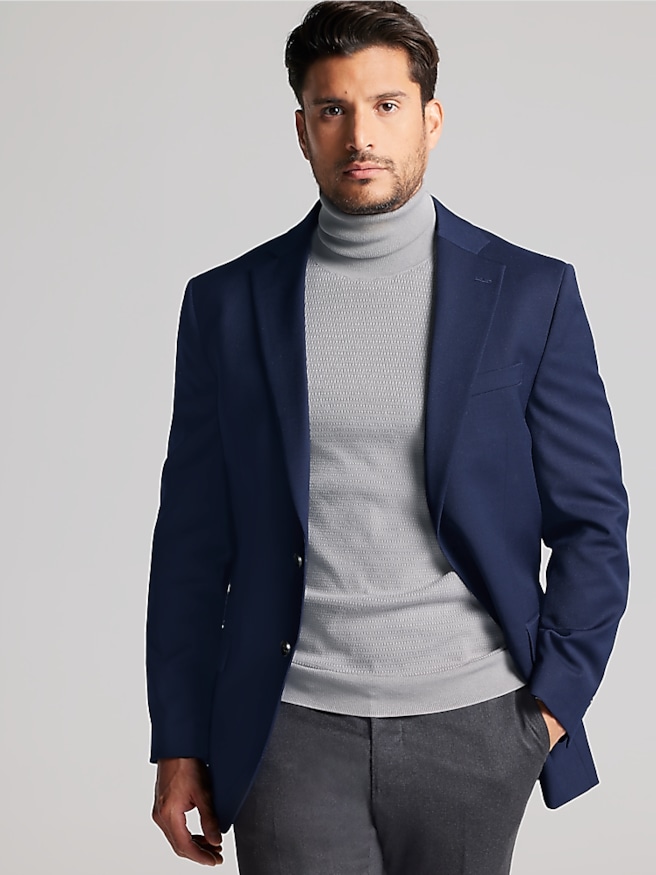
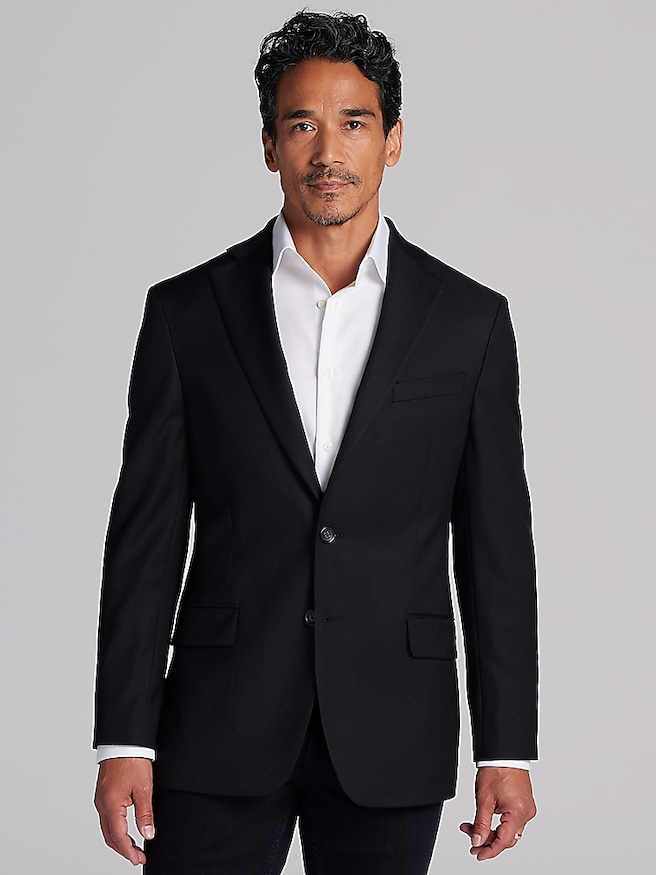
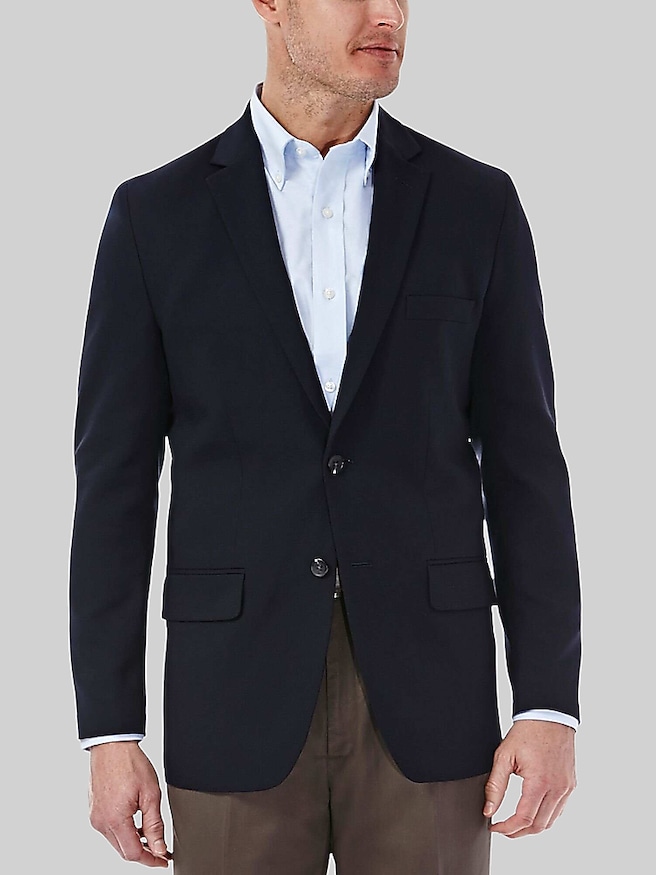
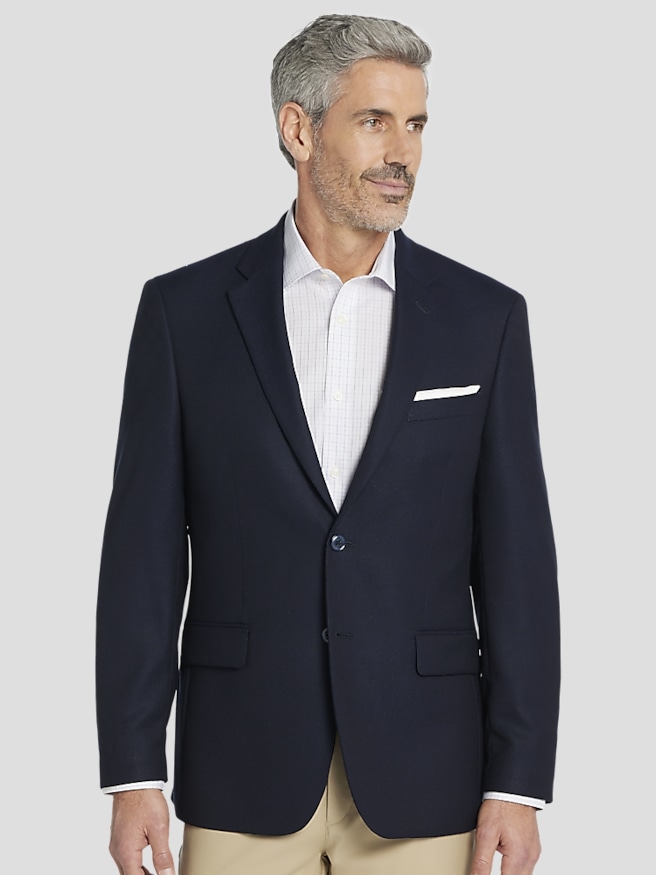
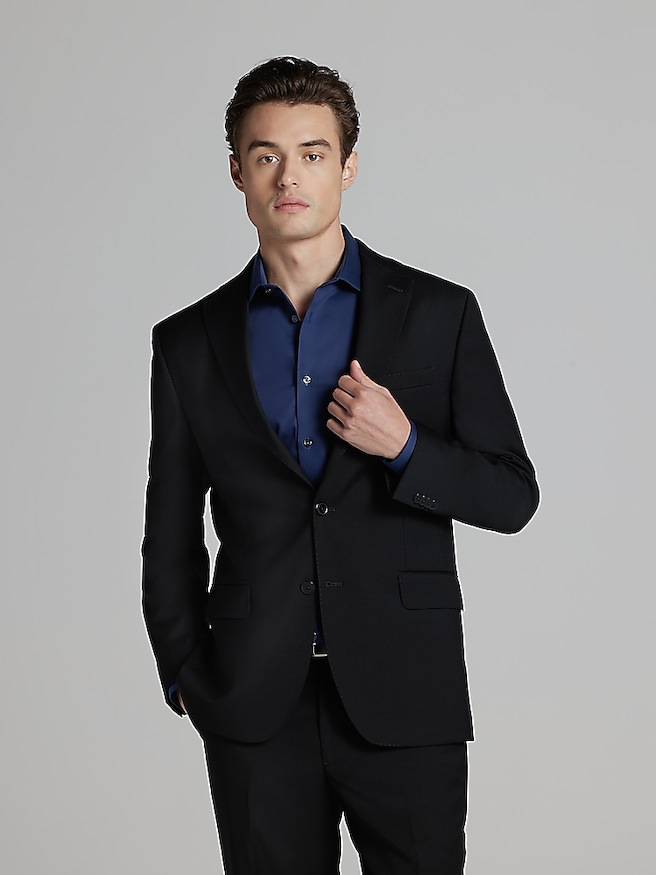
Men's jackets add structure to everyday outfits, with silhouettes that range from clean zip fronts to relaxed, pocketed layers that sit comfortably over a shirt or sweater. A jacket can make a plain T-shirt and dark jeans feel more considered, give chinos a less formal alternative to a blazer, or finish an outfit for a casual dinner without making it look overdressed. The character often starts with the fabric. Cotton twill has a defined woven texture and a substantial feel, while denim brings a familiar, sturdy look that develops personality with wear. Smooth woven blends can create a cleaner surface and a fluid drape, depending on their composition and construction. Leather has a distinctive grain and can develop a patina over time; suede offers a softer, textured appearance but calls for more deliberate care. Fabric weight matters beyond how substantial a jacket feels in hand: it influences how the collar stands, how the sleeves bend, and whether the body holds a crisp outline or falls more loosely. A bomber silhouette typically combines a shorter body with a defined hem, creating a compact shape that pairs naturally with straight or tapered pants. A trucker silhouette often uses chest pockets and visible seams to create structure, while a field-inspired design places more emphasis on practical pockets and a longer body. Minimal hardware and a simple collar tend to look understated; prominent zippers, snaps, and patch pockets make the jacket a more noticeable part of the outfit. Color changes the effect as well. Navy, charcoal, black, and earth tones can anchor a wardrobe without requiring every piece to match exactly. A textured brown jacket over a white knit shirt, for example, creates contrast without a bold pattern. The most useful choice reflects the settings where it will be worn, the clothing already in rotation, and the amount of structure that feels natural to the wearer. Even a simple design can have a distinct presence when its proportions and fabric work well together.
Fit determines whether a jacket feels like an easy finishing layer or something that needs constant adjustment. On a traditionally set-in sleeve, the shoulder seam generally sits near the edge of the shoulder; a deliberately dropped shoulder creates a looser effect and should be evaluated as part of that design rather than treated as a sizing mistake. The front should close without pronounced pulling across the chest or horizontal tension around the zipper. There should also be enough room to reach forward, sit down, and bend the elbows without the entire body of the jacket riding upward. A person who usually wears a fine-gauge sweater underneath may need a little more space through the upper arms than someone who prefers a thin T-shirt. That extra room should come from the intended cut, not simply from choosing an oversized jacket that leaves the shoulders and sleeves out of proportion. Sleeve length depends on the cuff design, but the cuff should generally finish around the wrist without covering much of the hand. Ribbed cuffs can hold the sleeve in place, while straight or adjustable cuffs create a cleaner opening. Body length affects the overall balance: a shorter hem emphasizes the waist and works well with pants that sit securely at the waist, while a longer line provides more coverage over an untucked shirt. Details inside the jacket influence comfort, too. A smooth lining can help sleeves slide over a knit shirt without catching, and neatly finished interior seams reduce rough edges against clothing. Pocket placement deserves attention beyond appearance. Hand pockets should be easy to reach, an interior pocket can keep a slim wallet separate from keys, and secure closures can help contain small essentials. Overfilled pockets, however, can distort the front and interrupt the intended shape. A well-proportioned jacket should retain its character both open and closed, whether the outfit underneath is a polo and chinos for a relaxed office or a crewneck shirt and jeans for a weekend gathering.
Durability comes from the relationship between fabric, construction, use, and care rather than from thickness alone. Even stitching, neatly secured pocket openings, and firmly attached buttons or snaps are useful signs of careful assembly. A zipper should travel smoothly without repeatedly catching the surrounding fabric, and the hem should lie evenly instead of twisting around the body. Areas that receive frequent handling, including cuffs, pocket edges, and the front closure, benefit from sound construction because they take much of the strain of daily wear. Care requirements vary considerably, so the sewn-in label remains the most reliable source for cleaning instructions. Some cotton and synthetic fabrics may allow machine washing, while structured designs, leather, suede, or particular blends may require specialized treatment. Closing fasteners before washing, when washing is permitted, can help reduce snagging, and avoiding unnecessary heat can help protect shape and surface finish. Leather and suede should be treated with products appropriate to the material, with any treatment tested in an inconspicuous area first. A supportive hanger helps preserve the shoulders between wears; keeping heavy objects out of the pockets helps prevent stretching and sagging. These habits matter most for a jacket that becomes part of a regular routine, moving from the commute to an afternoon errand or an informal evening out. Styling can stay equally straightforward. A jacket with pronounced pockets or visible seams often works best with quieter layers, while a minimal design leaves more room for a patterned shirt or textured knit. For additional ideas about silhouettes and outfit combinations, Best Men's Jackets offers a broader point of reference. Jackets can also make thoughtful gifts for a partner, friend, sibling, or graduate when the recipient's usual fit and clothing preferences are familiar. A favorite jacket already in regular use can offer clues about preferred length, collar shape, and pocket layout. Those personal details often matter more than an unfamiliar statement design, especially for someone who values clothing that feels comfortable and fits naturally into everyday life.