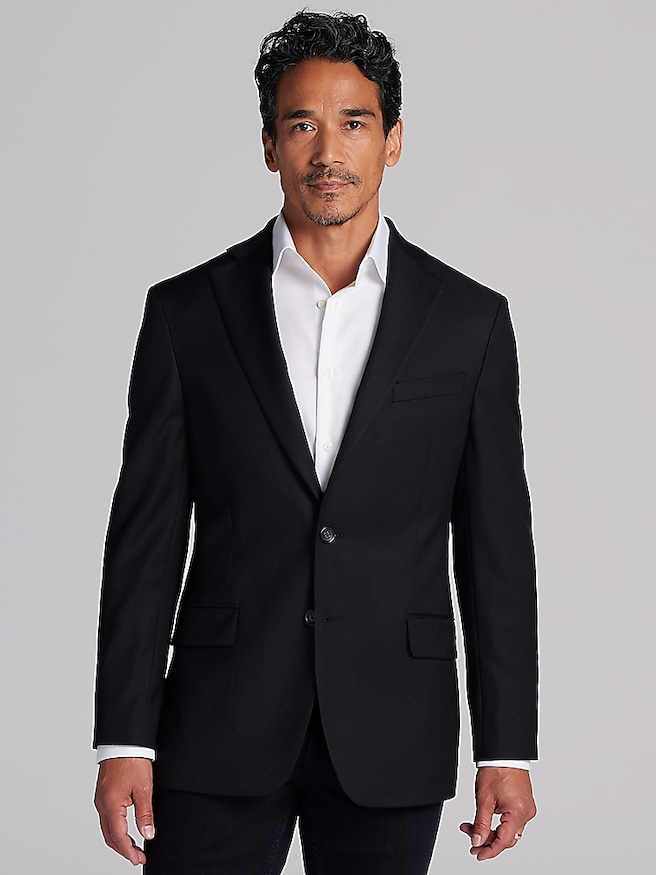
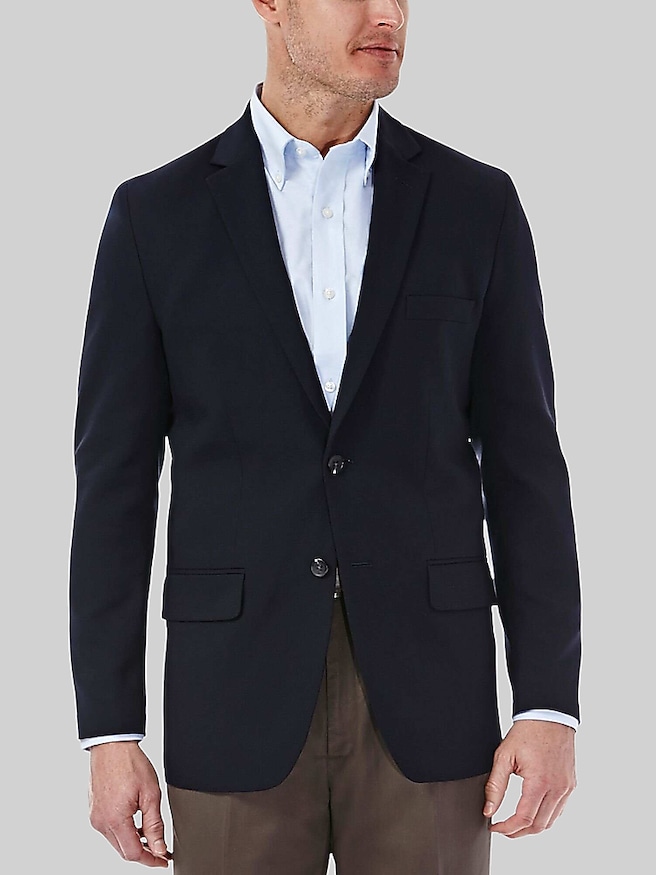
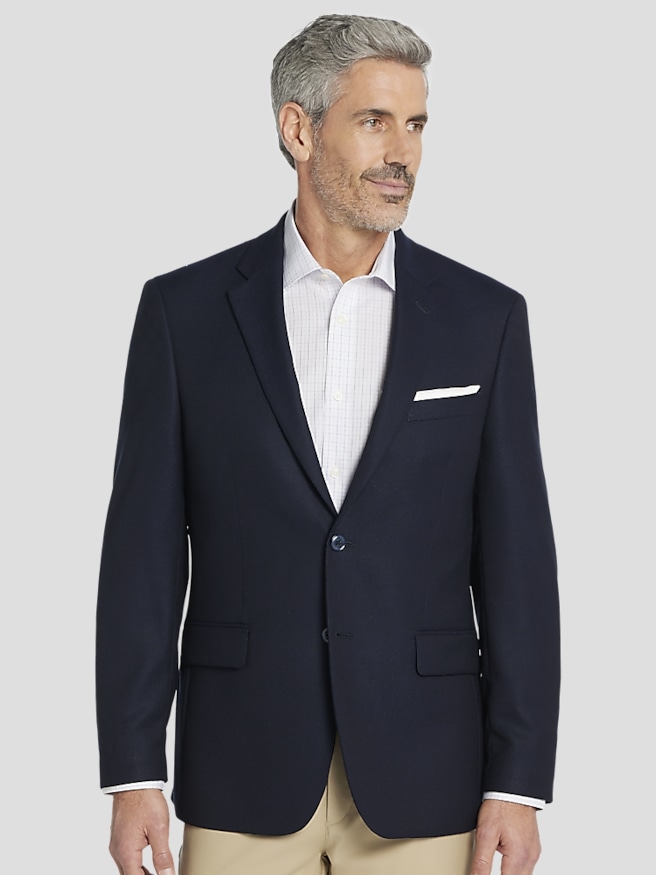
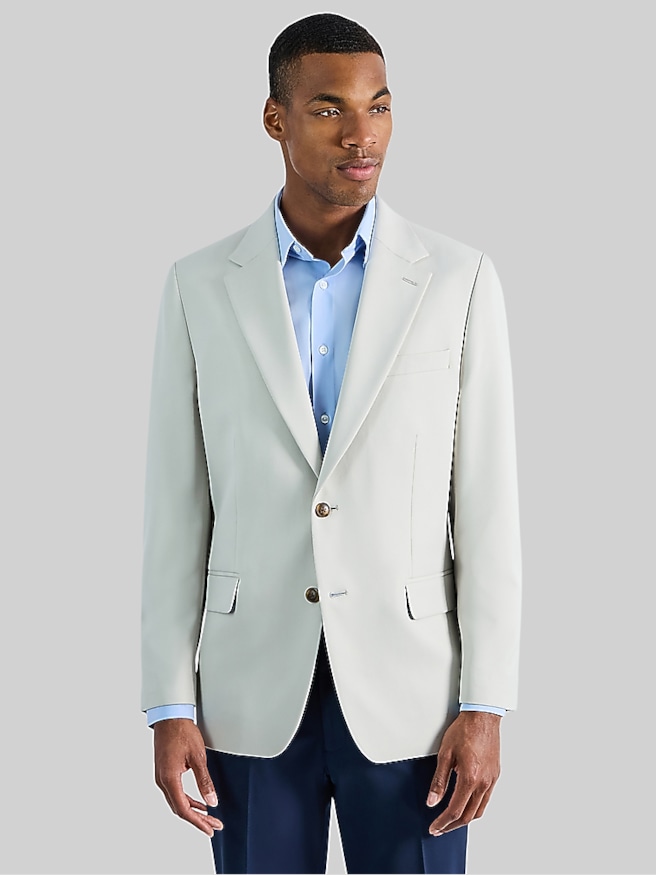
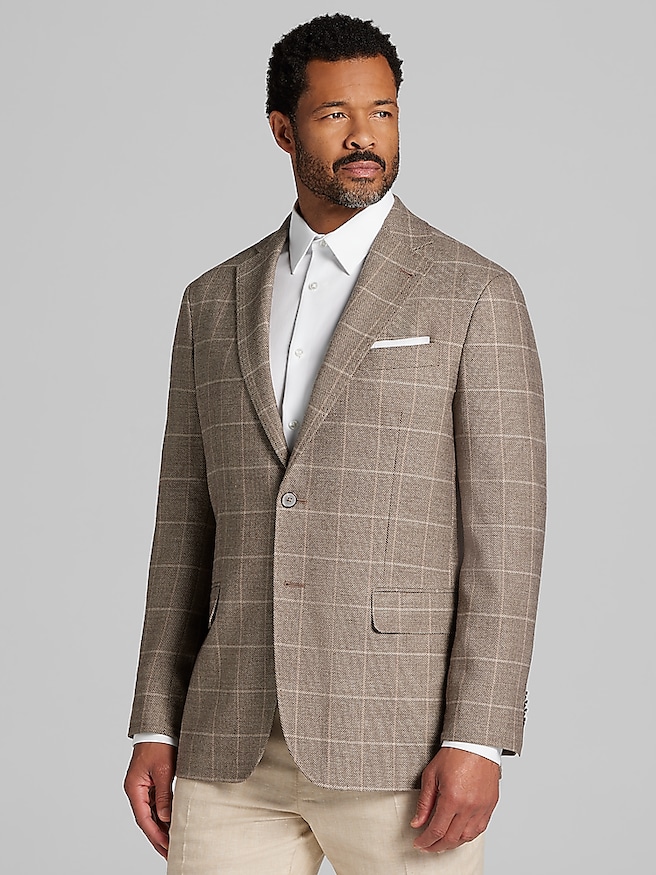
High-quality sport coats pair well-chosen fabrics with a clean fit and construction that holds its shape through regular wear. Unlike a suit jacket, a sport coat is designed to stand on its own rather than match a pair of trousers. That gives the cloth room to do more of the work: a pronounced weave can bring depth to a solid navy, while a muted check can give plain trousers and an Oxford shirt enough contrast without calling for a tie. Wool is a reliable choice for regular wear because it drapes well and tends to recover from light creasing. Wool hopsack, for example, has an open, basketlike weave that gives the jacket a matte, textured surface. Hopsack describes how the cloth is woven, not what it’s made from, and a looser weave may snag more readily than a tightly woven twill. Linen has a dry feel and develops creases with wear, which suits a jacket with an easy drape. Cotton can give patch pockets and lapels a crisp outline while keeping the overall look casual. Cashmere and cashmere blends offer a softer feel, though a cloth with a plush surface may show rubbing sooner at the elbows or under a shoulder strap. Blends can balance those traits: wool can give a linen blend more body, while a small amount of stretch can make it easier to reach across a conference table or pull a bag down from an overhead bin. The softest cloth isn’t always the best choice for a jacket that spends several days a week under a messenger bag. For that kind of use, a smooth, closely woven fabric makes sense. For dinners and social occasions, a brushed finish, a subtle herringbone, or a check that comes into focus up close can give the jacket more character. Fabric weight matters for drape, too: a cloth with more body can hang cleanly over the hips, while a lighter cloth can follow the body more closely.
The best-fitting sport coat looks settled on the shoulders before the front is even buttoned. The shoulder line should lie smoothly without a dent below the seam or fabric bunching near the neck. The collar should rest against the shirt collar rather than stand away from it, and the lapels should lie flat instead of bowing across the chest. With the jacket buttoned while standing, there should be room to move without sharp lines pulling outward from the button. A little waist definition can sharpen the silhouette, but a close fit should still allow an easy handshake or a reach for a coat hook. A traditional cut generally leaves more room through the chest and waist, while a slim cut follows the body more closely. Neither is a substitute for shoulders that fit. A tailor can often adjust sleeve length or refine the waist, but changing the shoulders is a much more involved alteration. With the arms relaxed, sleeves that reach about the wrist bone can leave a narrow strip of shirt cuff visible, depending on where the shirt sleeve ends. Jacket length is a matter of proportion, though a hem that covers most of the seat is a useful reference for a classic cut. Once the fit is in place, quieter details say a lot about how the jacket is made. The lapels should roll evenly, the vents should hang closed at rest, and the lining should have enough ease to move without tugging when an arm reaches forward. On patterned cloth, checks that meet neatly at visible pocket edges show care in cutting and assembly. A canvas layer can give the chest support and the lapel a gentle roll, while lightly structured construction can let the fabric fall more naturally. Both approaches can work well. A jacket meant to dress up gray trousers and a tie may benefit from a defined shoulder and understated pockets, while one worn with chinos and a knit polo can look more at home with softer shoulders and patch pockets.
A sport coat earns its place in a closet when it fits the occasions that actually come up. A textured solid can go from a client lunch with wool trousers and leather shoes to dinner with dark denim, if the setting allows jeans. A restrained plaid can add interest to the same tan chinos and white shirt that might otherwise feel too plain for an anniversary dinner. For a wedding reception with a more relaxed dress code, a fine weave and a dress shirt can look polished without the matching trousers of a suit. Distinctive patterns and finishes are worth exploring among Unique Sport Coats, especially for someone who already reaches for a solid jacket most days. A sport coat can also be a thoughtful graduation or milestone gift for someone moving into a role with more meetings, dinners, or presentations. Measurements from a jacket that already fits are a better starting point than a shirt size alone, since shoulder width and jacket length help determine how a coat will sit. Once a sport coat is in regular use, simple care can help preserve both the cloth and the shape. A broad, contoured hanger supports the shoulders better than a thin wire hanger, and a little space on the closet rail keeps the sleeves and lapels from being crushed. Emptying the pockets after wear prevents a phone, keys, or wallet from weighing down the front. Let the jacket air out before storing it, and use a soft garment brush on suitable fabrics to lift lint and surface dust. Follow the care label for stain treatment and cleaning; rubbing a spot can disturb the weave or leave a shiny patch, and frequent dry cleaning is rarely needed for a jacket that mainly picks up surface lint. For travel, a garment bag keeps the jacket from rubbing against other belongings or getting compressed under shoes. The payoff is a coat that still sits neatly at the collar and hangs cleanly at the front after repeated trips from the closet to the office, a restaurant, or a family celebration.