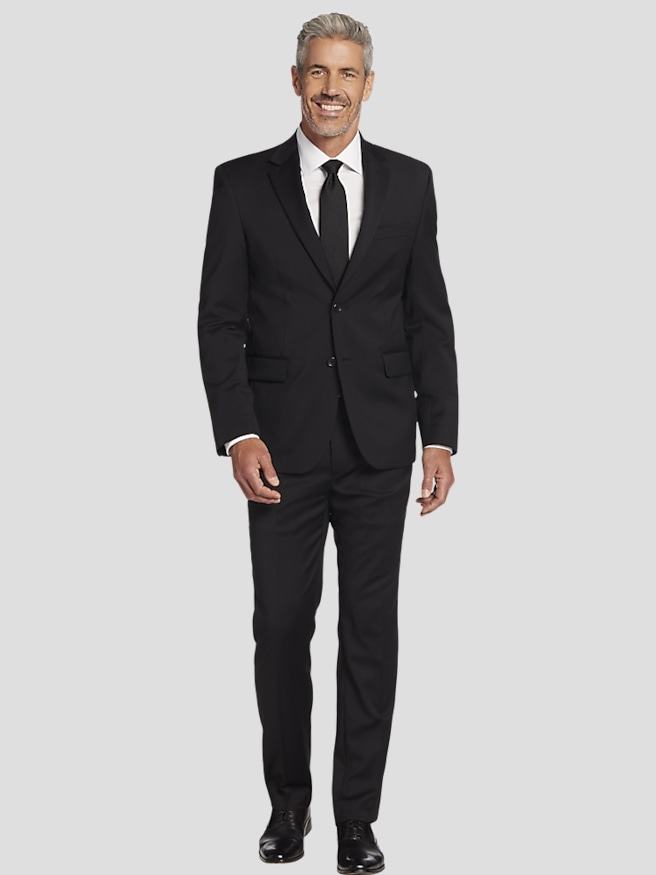
Spandex jackets combine the familiar look of a jacket with fabric that has extra give, making them a practical choice for days that involve sitting, reaching, walking, and moving between plans. Spandex, also known as elastane, is an elastic fiber typically blended with materials such as polyester, nylon, cotton, or wool rather than used alone. Its role is to help fabric stretch and recover, so a jacket can move with the body while maintaining its intended shape. That flexibility can be useful in everything from a tailored jacket worn over a button-down shirt to a casual zip-front layer paired with a T-shirt. A spandex blend does not automatically mean a tight or athletic fit; the cut, fabric weight, lining, and construction all influence the finished silhouette. A structured stretch jacket can have a defined shoulder and clean lapel, while a knit version may feel softer and more relaxed through the chest and sleeves. Polyester blends often have a smooth surface and resist wrinkling, while nylon blends can offer a sleek feel and good abrasion resistance, depending on their construction. Cotton can contribute a familiar, soft texture, and wool can bring a more traditional tailored appearance. Spandex is often blended with polyester, so Polyester Jackets can share the same flexible character when their fabric composition includes an elastic fiber. The percentage of spandex is only one part of the story: a small amount can add noticeable ease, and a higher percentage does not necessarily make a jacket softer, more breathable, or better suited to every activity. The way the fabric is woven or knitted matters just as much. Stretch direction also affects the feel, with some fabrics flexing mainly across the body and others giving both across and lengthwise. Those details help distinguish a jacket that simply has a little give from one designed for a broader range of movement.
The appeal of a stretch jacket is especially clear during an ordinary, full day: reaching for a handrail on the commute, settling into a desk chair, or lifting an arm to greet someone across a restaurant table. Comfortable movement should come from both the fabric and the fit, not from stretching a jacket beyond its intended proportions. On a tailored style, the shoulders should sit cleanly, the lapels should lie flat, and the front should close without pronounced pulling around the button. A casual zip-front jacket should fasten smoothly without a strained zipper or horizontal tension across the chest. Enough room through the upper arms and back helps preserve that easy feeling when a shirt or fine-gauge sweater is underneath. The lining deserves attention, too, because a rigid lining can limit the movement of an otherwise flexible outer fabric. Sleeve length, jacket length, and the placement of pockets all contribute to how polished the result looks. A trim silhouette can work well with tapered trousers and a tucked-in shirt, while a more relaxed shape sits naturally over a polo with straight-leg chinos or dark denim. Stretch alone does not determine dressiness: lapels, closures, texture, and overall structure do more to establish whether a jacket feels appropriate for a client meeting, a dinner reservation, or an informal gathering. Matte fabrics and understated details can be easy to combine with an existing wardrobe, while a textured weave adds depth without requiring a bold pattern. For someone who prefers uncomplicated dressing, a versatile neutral can bridge several outfits without looking like an athletic layer. A spandex-blend jacket can also make a thoughtful gift for a parent, partner, or recent graduate who values comfort but wants a finished appearance. Familiarity with the recipient’s usual jacket size, preferred cut, and everyday routine is more useful than assuming that stretch will make any fit work.
Long-term comfort depends on how a jacket holds up as well as how it feels at the first wearing. Spandex contributes elasticity, but the surrounding fibers, fabric density, seams, and finishing determine much of the garment’s overall durability. A tightly constructed fabric may resist surface wear better than a delicate one, while neat stitching and well-finished seams help support repeated movement. Areas such as elbows, cuffs, pocket openings, and the fabric beneath a shoulder strap often receive the most friction. Carrying bulky objects in jacket pockets can distort the silhouette and place unnecessary stress on those areas, even when the fabric has plenty of give. Stretch recovery matters because fabric that returns to shape helps keep elbows and the back from looking baggy after extended wear. Breathability and moisture management are separate considerations: the presence of spandex alone does not establish either quality, and it does not make a jacket water-resistant or suitable for demanding exercise. Care requirements also depend on the complete garment rather than the stretch fiber by itself. A washable knit jacket and a structured, lined jacket may need very different treatment, so the care label is the best reference for cleaning, drying, and pressing. When machine washing is permitted, the recommended cycle and drying method help protect both the elastic fibers and the jacket’s shape. Excessive dryer heat or an overly hot iron can damage stretch fibers, making the stated temperature limits important. Tailored construction, delicate trim, or particular fiber blends may call for professional cleaning instead. Between cleanings, emptying pockets and using a broad, supportive hanger can help a structured jacket retain its shape; softer knits may be better stored folded if hanging causes them to lengthen. With care suited to the fabric and a fit that leaves room to move, a spandex jacket offers a useful balance of flexibility, clean lines, and everyday wearability.