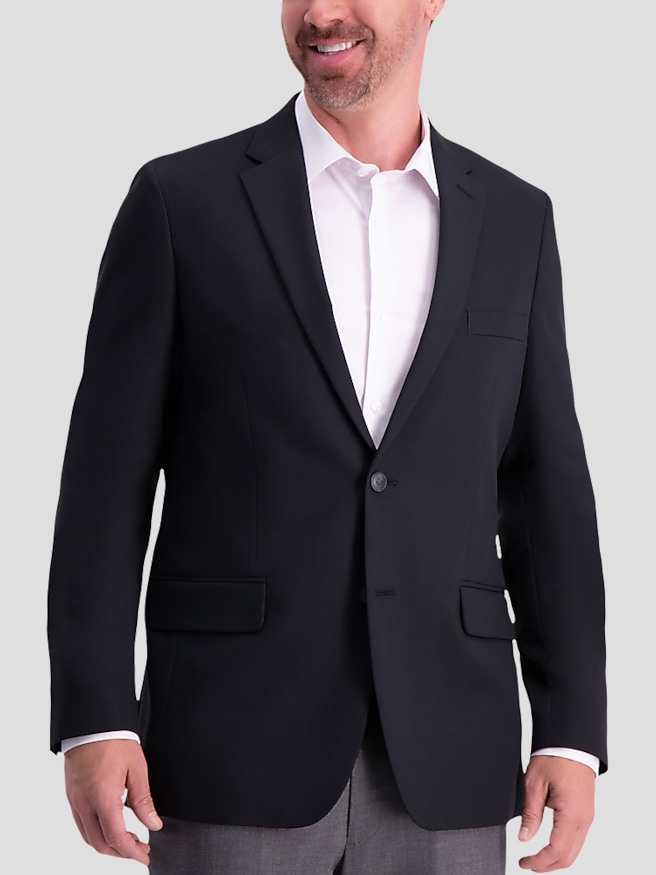
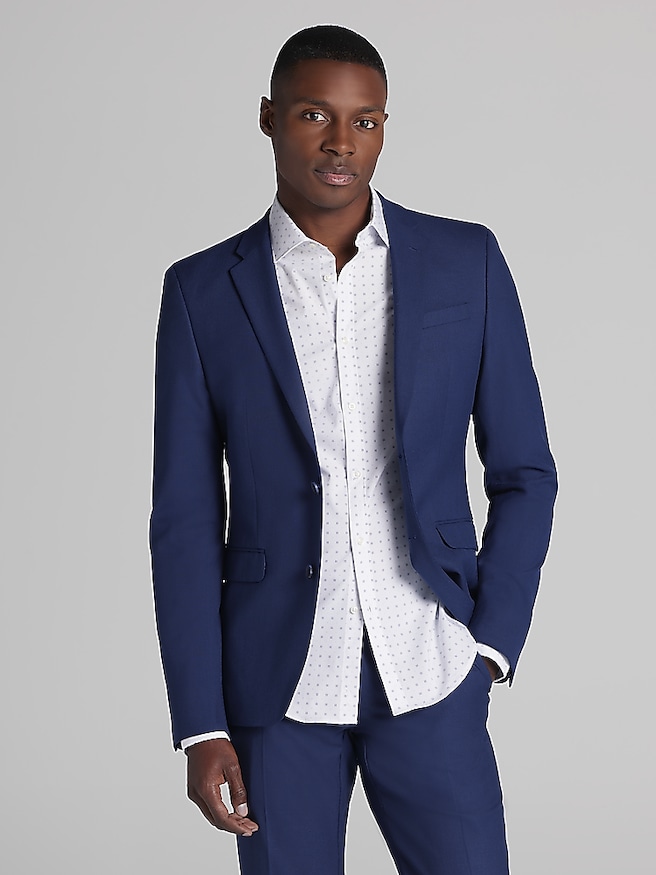
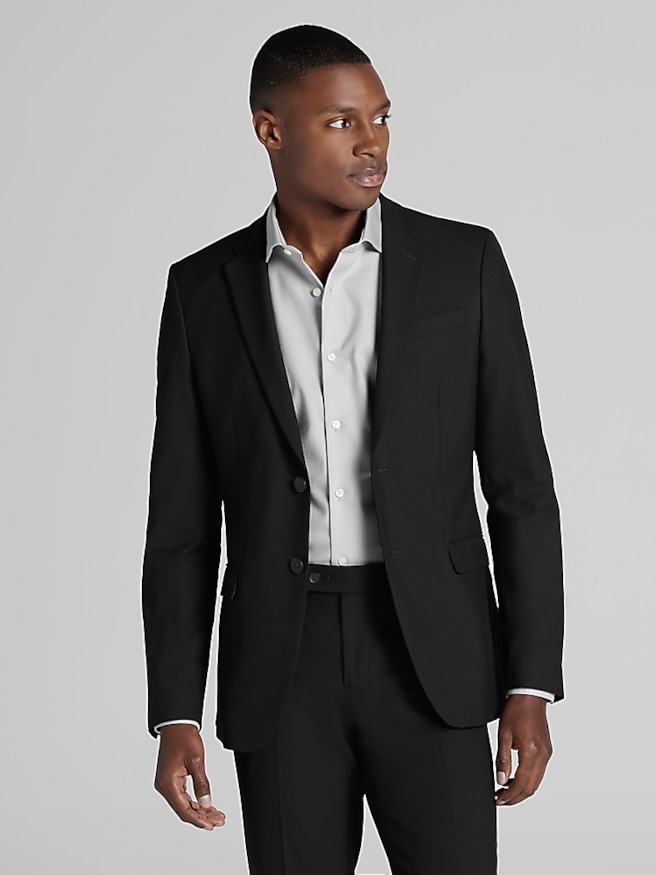
A stretchy suit jacket combines the shape of traditional tailoring with fabric that allows more movement through the shoulders, back, and arms. That flexibility can make a noticeable difference when reaching for a briefcase, sitting through a presentation, or settling into a seat on a long trip. Stretch typically comes from elastane, also called spandex, blended with fibers such as wool, polyester, or rayon. Some wool fabrics achieve mechanical stretch through their yarn and weave construction rather than added elastic fibers. The result depends on the complete fabric and how the jacket is built, not simply the percentage of stretch listed on its label. Wool blends can offer a refined surface and fluid drape, while polyester blends may contribute resilience and wrinkle resistance. Rayon can add softness and help fabric fall smoothly, though its care requirements depend on the blend. Two-way stretch generally allows movement along one fabric direction; four-way stretch allows movement along both the length and width. Neither description determines how closely a jacket fits. A stretchy suit jacket can still have a structured shoulder, crisp lapels, and a defined waist, with flexibility working quietly behind that polished appearance. The lining, shoulder construction, and internal support also influence how freely the finished garment moves. A flexible outer fabric cannot fully compensate for a restrictive lining or a cut that is too small. Good recovery matters as much as give: fabric should settle back into shape after ordinary movement rather than remain stretched at the elbows or across the back. Stretch and wrinkle resistance are separate qualities, so a flexible jacket is not automatically wrinkle-free. For business meetings, interviews, ceremonies, and dinners that call for tailoring, this category offers a practical balance of presentation and ease. It is especially useful for someone whose day includes a commute, hours at a desk, and an event afterward, without much opportunity to change between commitments.
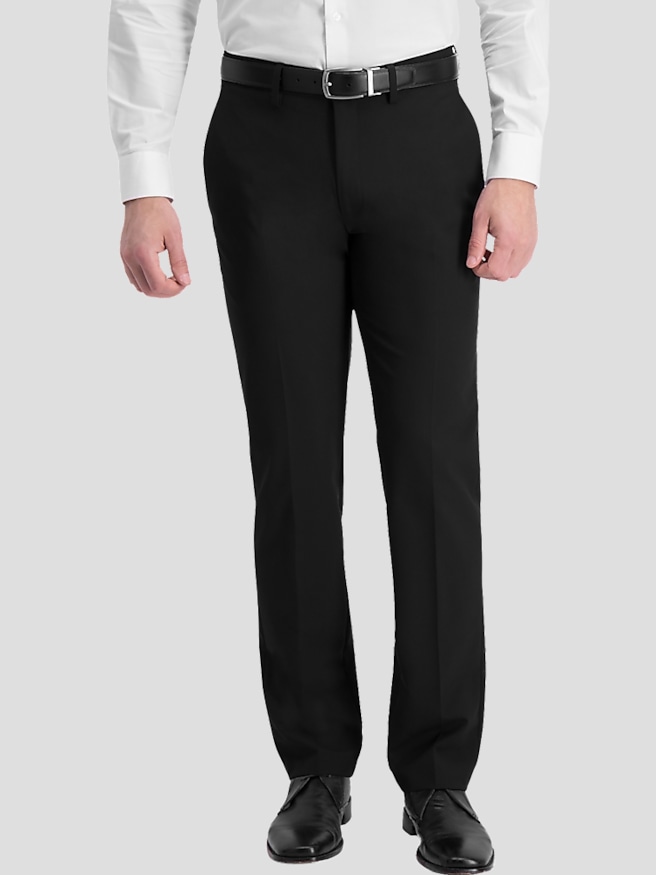
The fit of a stretch suit jacket should look intentional before its flexibility comes into play. Shoulder seams generally sit close to the natural shoulder edge, and the collar should rest against the shirt collar without a noticeable gap. With the jacket buttoned while standing, the front should lie relatively smooth rather than pull into an X around the closure. Stretch can accommodate normal movement, but it should not be used to disguise a tight chest, narrow upper arms, or a waist that strains when seated. Slim fits create a closer outline through the torso, while roomier cuts provide more space without requiring the fabric to stay under tension. An athletic build may need additional chest and upper-arm room with waist shaping, rather than simply a smaller size. Jacket length and sleeve length remain important to the overall proportions; a little shirt cuff showing below the sleeve can give the outfit a clean finish. Reaching forward, bending an elbow, and sitting down reveal more about comfort than standing still in front of a mirror. For a coordinated outfit, Men's Stretch Suits pair the jacket with trousers intended to complete the same tailored look. Matching fabric matters because two pieces described as navy or charcoal may still differ in shade, texture, or sheen. A jacket worn separately has a more relaxed effect, particularly when its surface has enough texture to work with contrasting trousers. A white or light blue dress shirt and a restrained tie keep the emphasis on clean tailoring for an interview or client meeting. An open-collar shirt can ease the mood for dinner, provided the setting allows it. Smooth shoes, a neatly finished trouser hem, and a belt that does not compete with the outfit help the jacket look considered rather than overly styled. Stretch supports the experience of wearing tailoring; the cut, proportions, and surrounding pieces establish the impression.
Care and construction influence how well a stretchy suit jacket holds its appearance over repeated wear. The care label takes priority over assumptions about the fabric: a jacket containing polyester or spandex may still require dry cleaning because of its lining, interfacing, trim, or overall construction. Machine washing is appropriate only when the garment’s instructions specifically allow it. Excessive heat can damage stretch fibers and affect shape, making dryer settings and pressing methods especially important. Between wears, a broad, shaped hanger supports the shoulders better than a thin wire hanger, and a little space in the closet helps prevent unnecessary crushing. Emptying the pockets keeps keys, a phone, and a wallet from weighing down the front or leaving persistent impressions. A soft clothing brush can remove surface lint from suitable fabrics, while stains deserve care suited to both the material and the mark rather than vigorous rubbing. After a full day of wear, allowing the jacket to rest before wearing it again gives the fabric an opportunity to relax and release light creasing. For travel, careful folding and avoiding an overfilled bag can reduce deep wrinkles, although no fabric should be expected to emerge perfectly pressed after being tightly packed. Durability comes from several factors working together: fabric quality, seam construction, fit, frequency of wear, and proper maintenance. Elastic fibers can lose recovery over time, particularly with repeated heat exposure or prolonged strain, but fiber content alone does not predict a jacket’s useful life. A well-fitting garment that is not continually stretched across the body puts less stress on both seams and fabric. These practical details matter for professionals who wear tailoring regularly, graduates building a work wardrobe, and anyone dressing for important gatherings. As a gift for a graduation or career milestone, a stretch suit jacket is most useful when the recipient’s measurements and preferred fit are known. Comfort is personal, and the best result combines easy movement with a shape that still looks composed at the end of a long day.