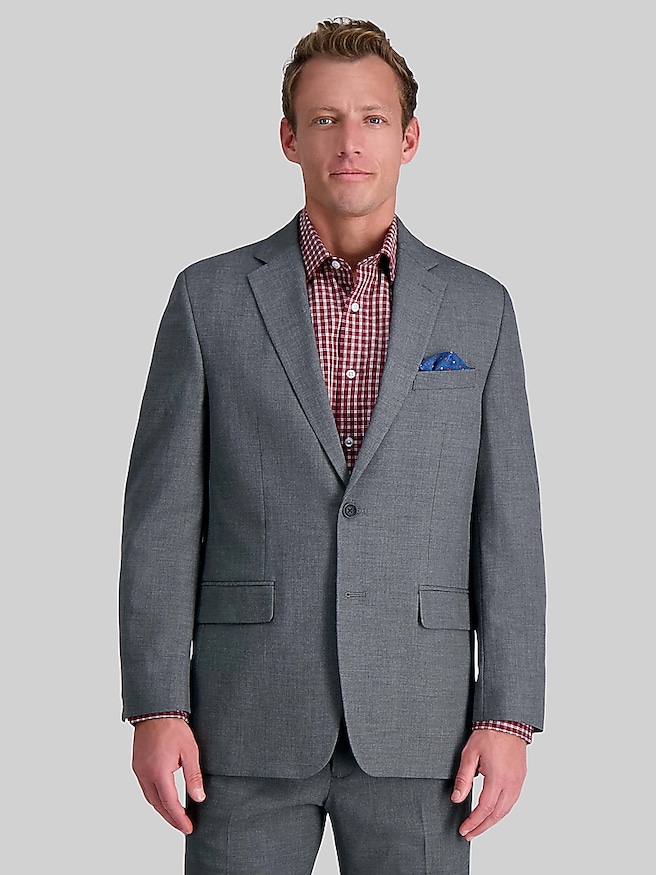
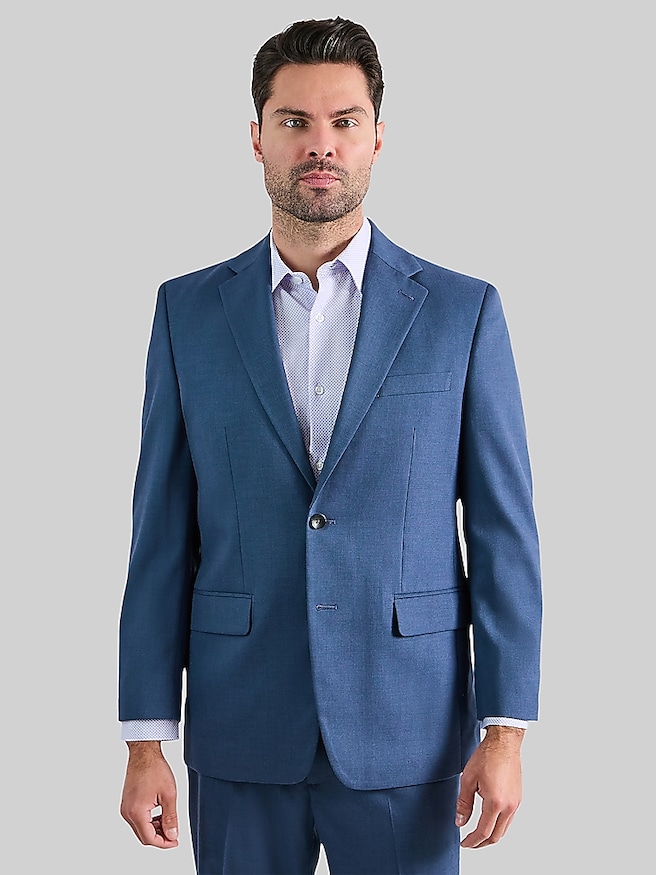
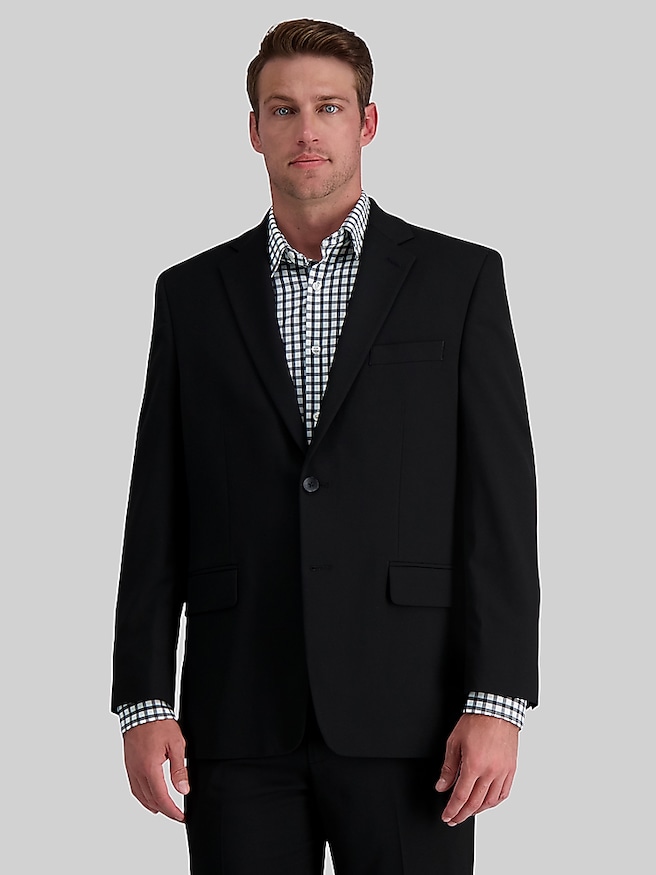
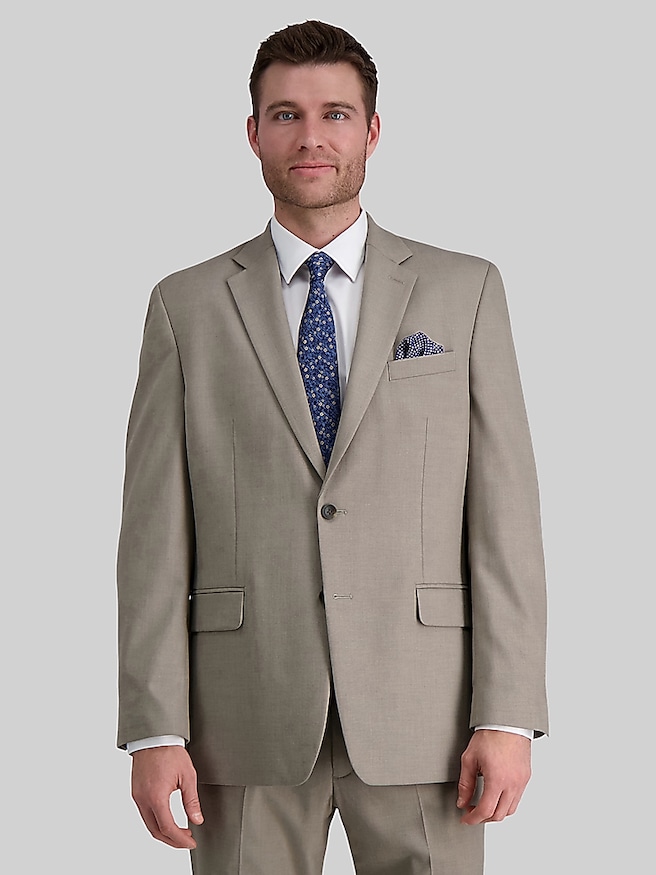
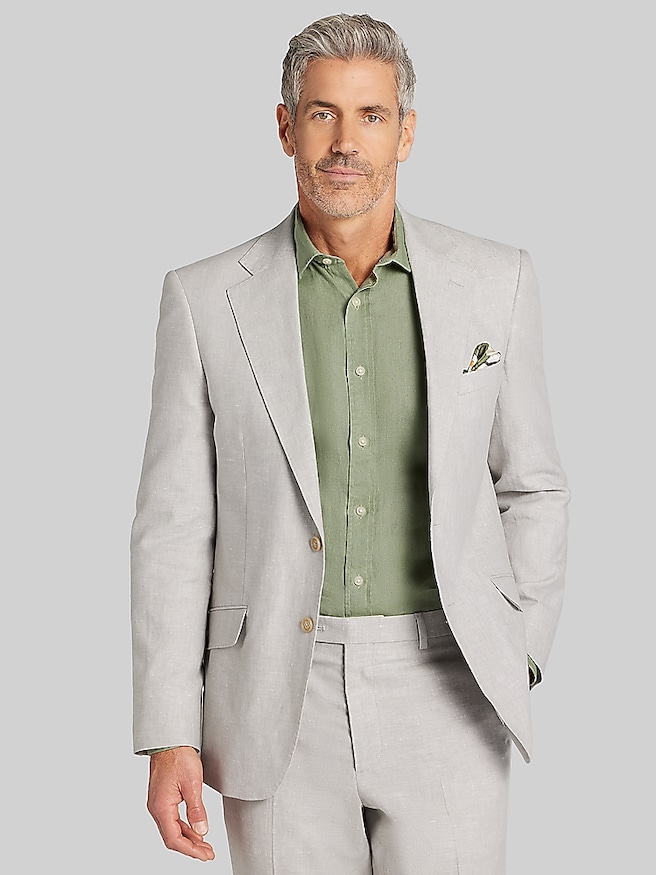
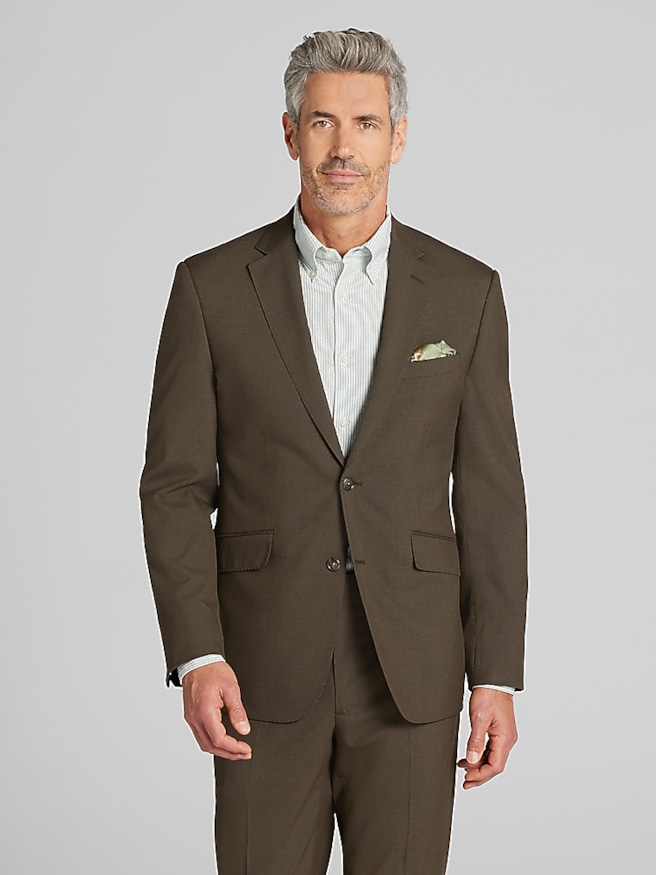
Men’s stretch suits combine the polished appearance of traditional tailoring with fabric that has extra give, helping a jacket and trousers move more comfortably through a full day. That flexibility often comes from spandex, also called elastane, blended with fibers such as wool, polyester, or viscose. Some fabrics achieve stretch through their weave or knit construction instead, so the fiber label alone does not describe the entire experience. The practical benefit is easy to picture: reaching across a conference table, sitting through a wedding ceremony, or climbing stairs without feeling as restricted through the back, seat, and knees. Stretch does not make a suit athletic clothing, but it can make dressed-up occasions feel less rigid. Material choice still shapes the suit’s character. Wool contributes natural resilience and a refined drape, while polyester can contribute durability and resistance to wrinkling. Viscose can add softness and fluidity, although the finished result depends on the full blend and construction. A small amount of elastane may provide noticeable flexibility; a higher percentage does not automatically mean a better suit. Fabric weight, weave, lining, and tailoring all influence how the garment feels and holds its shape. Stretch direction matters, too: a fabric may give more across its width than along its length, while other constructions allow movement in both directions. Recovery—the ability to return toward the original shape after stretching—is just as important as flexibility. Good recovery helps knees and elbows look neat after repeated movement, although any fabric can show wear over time. For someone who moves between a desk, client appointments, and an evening event, these details make stretch suiting a practical choice rather than simply a softer alternative to conventional tailoring. The most useful balance is flexibility that supports everyday movement without sacrificing the clean lines expected of a suit. A smooth surface, an even drape, and fabric that settles back after sitting all contribute to that balance.
Fit remains the foundation of a comfortable stretch suit, because flexible fabric cannot correct a jacket that is too small or trousers that pull through the hips. The shoulders should follow the body cleanly, with the sleeve seam sitting near the natural shoulder rather than hanging far beyond it or pressing inward. Across the chest, a buttoned jacket should lie smoothly without pronounced pulling around the closure. A little shaping through the waist can create definition, but deep creases radiating from the button usually suggest too much tension. The same principle applies below the waist: trousers need enough room through the seat and thighs to sit comfortably, even when the fabric stretches. A waistband that feels acceptable only because it is stretched tight is unlikely to remain comfortable through a long dinner or workday. Slim, modern, and classic fits describe general silhouettes rather than universal measurements, so body proportions matter more than the name on the label. A slim cut can look sharp when it follows the body without clinging, while a roomier cut can still appear precise when the shoulders, waist, and hem are well proportioned. Trying familiar movements gives a clearer picture than standing still in front of a mirror. Sitting, taking a full stride, and reaching forward reveal whether the fabric is assisting movement or compensating for insufficient room. Jacket length and trouser length also affect the finished appearance. A balanced jacket covers the seat appropriately for its cut, while the trouser hem can meet the shoe with a slight break or a cleaner, shorter finish, depending on personal preference. Alterations can refine sleeve length, trouser hems, and some waist shaping, though major shoulder changes are more involved. For travel, interviews, presentations, or celebrations with hours of sitting and standing, a well-proportioned stretch suit offers comfort that comes from both its fabric and its construction. The result should look composed at rest and feel manageable in motion.
Styling a stretch suit follows the same principles as styling other tailored clothing: the occasion, dress code, and fabric finish should guide the supporting pieces. Navy and charcoal create a versatile foundation for business settings, interviews, and many wedding celebrations, particularly with a crisp dress shirt and understated tie. A subtle pattern adds depth without demanding much from the rest of the outfit, while a more pronounced check or textured weave becomes a stronger visual feature. Smooth leather dress shoes reinforce a formal appearance; loafers can soften the effect when the setting allows. An open-collar shirt works for many less formal gatherings, but stretch fabric alone does not make a suit casual or change the expectations of a dress code. For celebrations that invite more expressive color and detail, explore Mens Party Suits for additional styling possibilities. A stretch suit can also be a thoughtful gift for someone starting a professional role, attending milestone events, or building a tailored wardrobe, provided that measurements and fit preferences are known. Personal tailoring is often what makes the gift feel truly considered. Once the suit becomes part of a regular rotation, careful handling helps preserve its appearance. The care label should determine whether professional cleaning or another method is appropriate; stretch content does not make a structured jacket machine washable. Excessive heat can damage elastic fibers, and pressing methods must suit the entire garment, including its lining and internal construction. A broad, shaped hanger supports the jacket’s shoulders, while properly hanging the trousers helps limit unnecessary creasing. Empty pockets before storing the suit, since a heavy phone, keys, or a bulky wallet can distort the fabric and interrupt its lines. Gentle brushing, airing between wears, and prompt attention to spills can reduce buildup without unnecessary cleaning. Rotating wear when practical also gives the fabric time to relax. With an appropriate fit and care suited to the garment, men’s stretch suits bring a useful combination of flexibility, structure, and polish to occasions that call for looking pulled together.