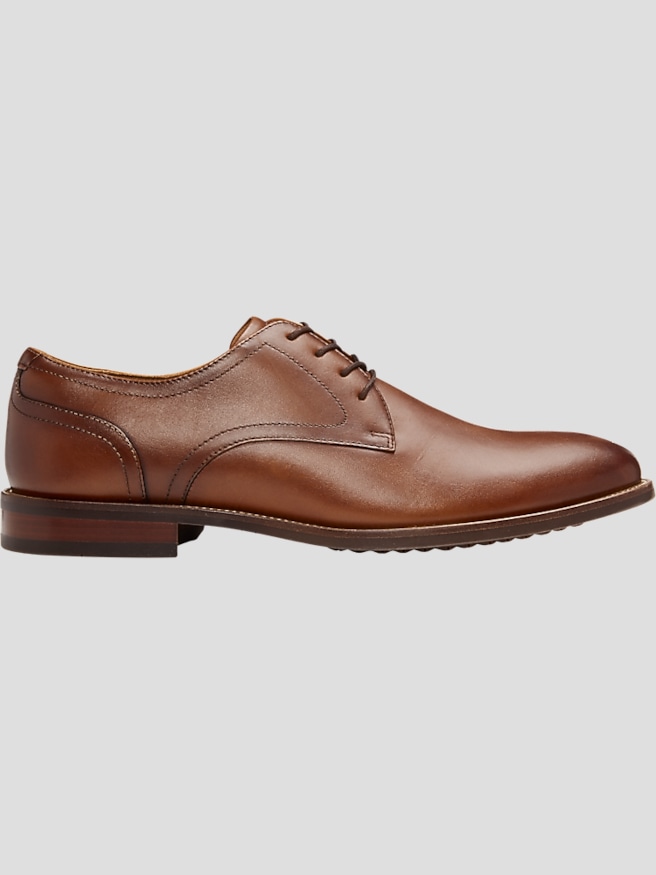
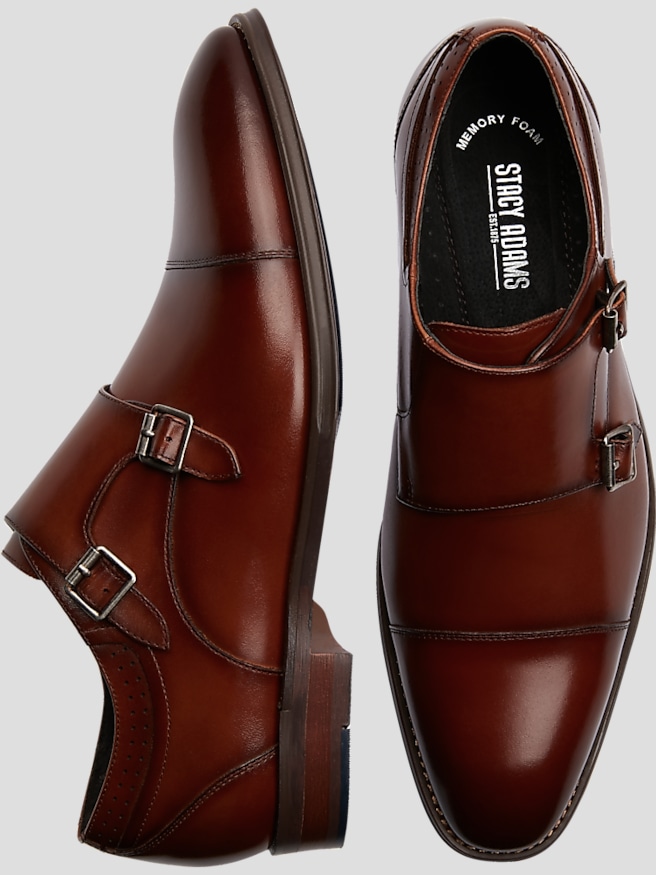
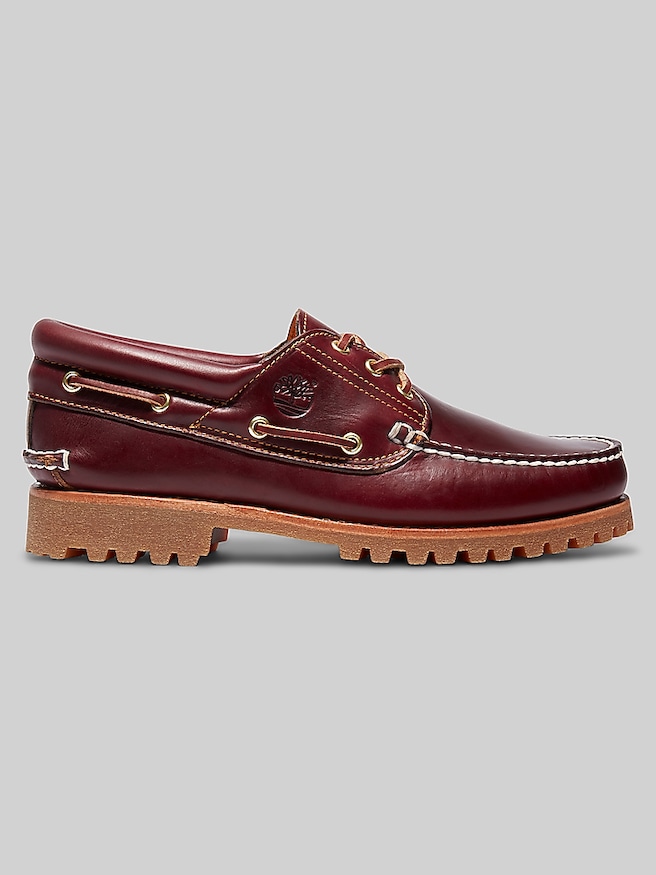
Solid brown shoes are footwear with brown uppers and no contrasting prints or multicolored patterns, creating a versatile foundation for outfits ranging from tailored suits to jeans and a casual shirt. The category spans dress shoes, loafers, sneakers, and boots, with the shape, material, and finish determining how formal each style feels. A streamlined oxford with closed lacing has a more polished appearance than a rounded-toe derby with open lacing, while a simple loafer offers a relaxed alternative that still works with many business-casual outfits. Brown also covers a broad range of shades. Deep chocolate has a restrained look alongside navy or charcoal tailoring, medium brown pairs naturally with gray trousers and khaki chinos, and lighter tan creates a more noticeable contrast against dark pants. For a coordinated outfit, a brown leather belt in a similar shade and finish is usually enough; an exact color match is less important than keeping the overall level of formality consistent. Solid uppers let the silhouette and texture do the work, whether that means the clean sweep of a plain toe or the subtle definition of a stitched cap toe. Natural grain and small variations in leather color can add depth without creating a patterned appearance. For someone moving between client meetings, an office lunch, and dinner afterward, a moderately rounded toe and understated detailing can make one pair feel appropriate across several settings. With denim, a slightly heavier sole or a more relaxed upper often looks balanced against the fabric’s weight. With tailored trousers, a sleeker profile helps preserve a clean line from the pant hem to the shoe. Brown footwear is also a useful option for wedding guests, graduation ceremonies, and other occasions where the dress code allows some flexibility. Traditional black-tie attire generally calls for black formal footwear instead, so the invitation remains the best starting point for a particularly formal event. The result is a color family with considerable range, from understated professional dressing to comfortable, put-together everyday wear.
Material and construction influence how solid brown shoes look, feel, and hold up over time. The Leather Brown Shoes collection is a related category for shoppers considering leather uppers, which can offer structure, flexibility, and a surface that develops character with wear. Smooth leather tends to read as dressier, while pebbled leather adds visible texture and can make minor surface marks less noticeable. Suede has a soft, low-sheen finish that works especially well with chinos, textured trousers, and denim, though it needs a care routine suited to its nap. Textile and synthetic uppers have their own characteristics, so the material description matters more than appearance alone when comparing flexibility, breathability, and cleaning requirements. Inside the shoe, lining, footbed shape, and cushioning all affect comfort, but a soft footbed cannot compensate for an upper that squeezes the forefoot or a heel that slips excessively. A good fit leaves room for the toes to move without allowing the foot to slide forward at every step. Trying shoes with the socks intended for regular wear gives a more useful sense of fit, particularly when comparing a fitted loafer with a lace-up style that offers more adjustment. Walking on a clean indoor surface can reveal pressure across the ball of the foot, rubbing at the heel, or stiffness where the shoe bends. Leather may soften with use, but painful tightness should not be treated as a necessary break-in stage. Underfoot, leather soles offer a traditional profile, while rubber soles can provide more cushioning or traction depending on their design. Neither material alone determines comfort or grip. For long periods of standing or walking, the shoe’s weight, flexibility, support, and outsole pattern deserve attention alongside its appearance. Neat stitching, securely attached soles, smooth interior seams, and well-finished edges are useful construction details to examine. Some stitched constructions can also allow sole replacement, although repair options depend on the individual shoe and the condition of its upper.
Regular care helps preserve the appearance and useful life of solid brown shoes, particularly when the color makes scuffs or uneven polish easy to see. For smooth leather, removing surface dust with a soft brush or cloth before applying a compatible conditioner or polish helps keep debris from being worked into the finish. Care directions should take priority, since coated, polished, and specialty leathers do not all respond to the same treatments. A brown polish should be selected carefully to avoid unintentionally darkening the upper, and testing any care product on a discreet area is a sensible precaution. Suede calls for a suede brush and cleaning products intended for that material rather than ordinary leather cream. After wear, allowing shoes to air out before storing them helps manage moisture inside the lining; shoe trees can help maintain shape when appropriately sized. Direct heat is not a shortcut for drying, since it can damage materials and adhesives. Alternating between pairs gives footwear more time to dry naturally, while using a shoehorn reduces repeated crushing at the heel. Small repairs are worth addressing early: a worn heel tip or separating edge can become a larger problem if left unattended. These practical details matter whether the shoes are part of a daily office rotation or reserved for presentations, celebrations, and dinners out. They also make brown shoes a thoughtful gift for a graduate beginning a professional wardrobe, someone stepping into a new role, or a partner who appreciates useful clothing with lasting appeal. Size and width deserve particular attention for a gift, and the recipient’s usual dress code is a better guide than choosing the most formal style by default. A person who spends most days in chinos may get more use from an easygoing loafer or derby than from a highly polished oxford. The strongest choice is one that suits the wearer’s routine, fits securely without pressure, and complements the clothing already getting regular use.