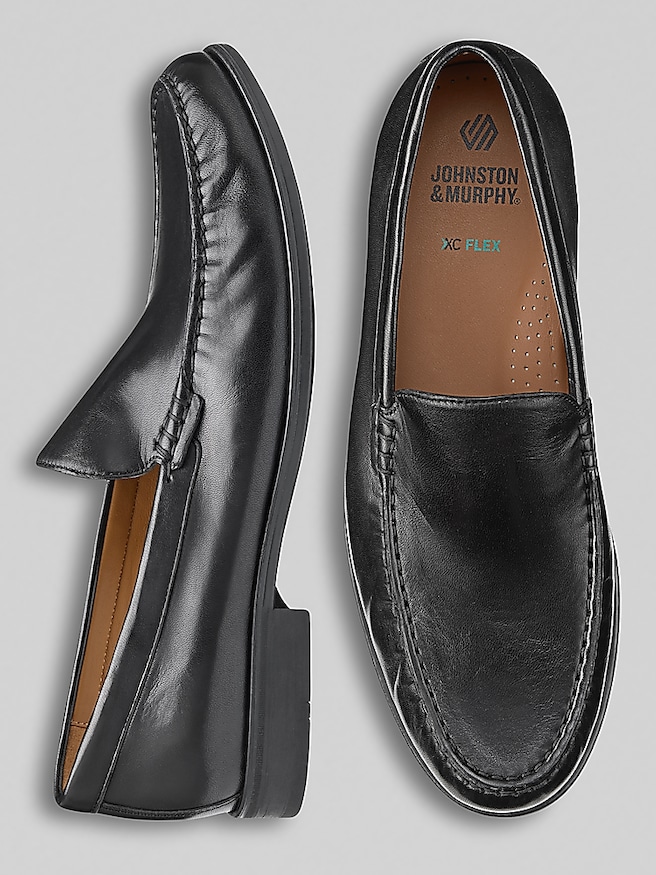
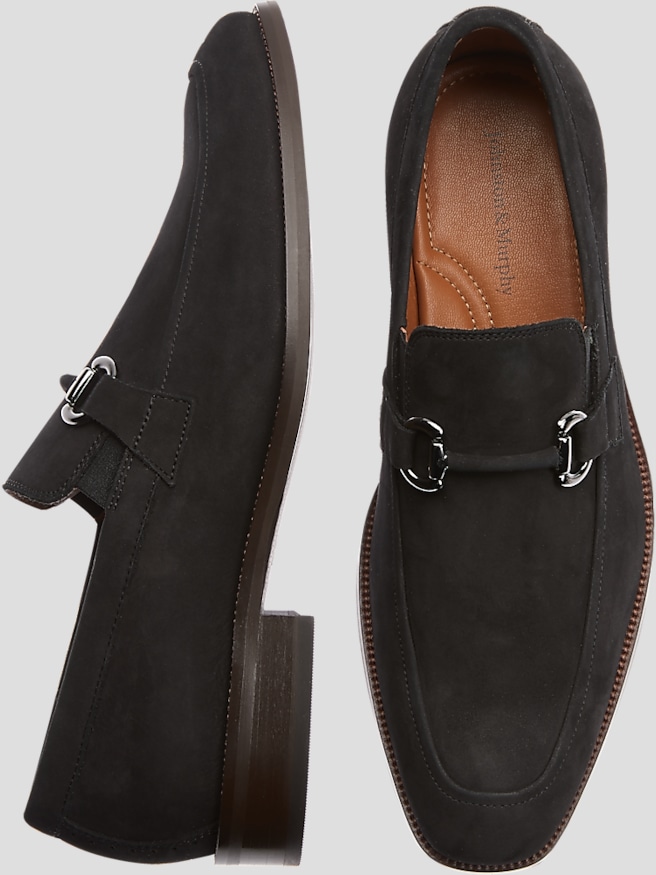
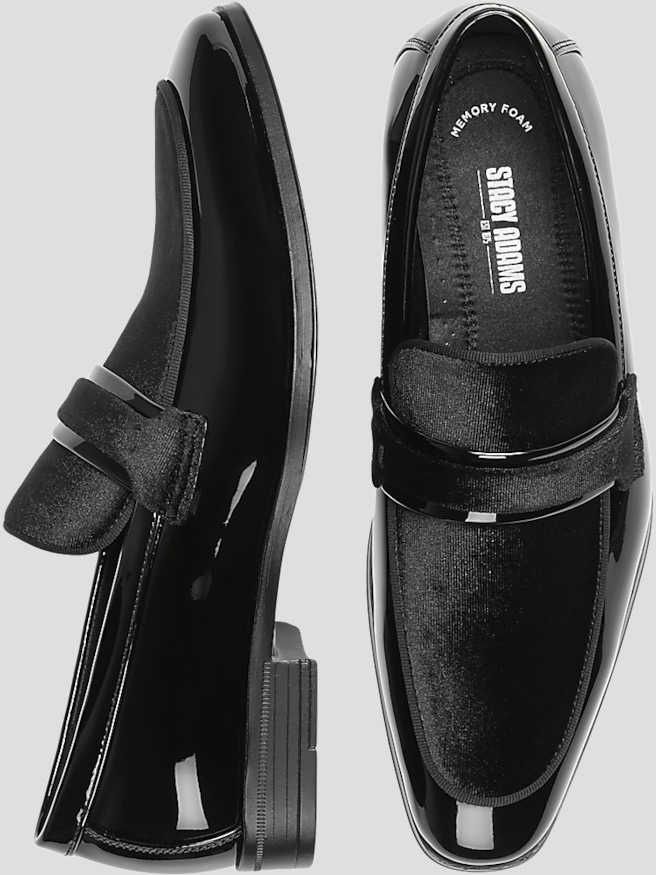
Soft leather slip-on shoes combine a pliable upper with a lace-free shape that moves easily between dressed-up and relaxed settings. Their appeal starts with the feel: leather that bends comfortably across the forefoot, a collar that sits smoothly against the heel, and an interior that leaves toes room to rest naturally. Within the broader category of Soft Leather Shoes, slip-on designs stand out for their uncluttered profiles and easy entry. Penny loafers, understated moccasin-inspired shapes, and streamlined dress slip-ons each bring a different character to the same practical idea. Smooth leather creates a polished surface that pairs naturally with tailored trousers, while suede offers a softer-looking texture alongside chinos or dark denim. Calfskin often has a fine grain and supple hand, though softness also depends on tanning, finishing, thickness, and the way the upper is constructed. Full-grain leather retains its natural surface and can develop character with wear; it is not necessarily the softest option straight from the box. An unlined upper may feel light and flexible, while a lined interior can provide a smoother finish and help the shoe hold its shape. Neither construction guarantees comfort on its own. Seams, toe shape, footbed design, and the flexibility of the sole all influence how a pair feels after several hours. Small details also change the impression: an apron seam adds definition around the toe, a narrow strap gives a loafer a familiar tailored look, and discreet elastic panels can ease entry without interrupting a clean silhouette. A gently rounded toe usually reads as versatile, while a more tapered profile creates a dressier line beneath a trouser hem. The strongest combination is softness with enough structure to keep the shoe secure, rather than an upper that feels loose or collapses around the foot. That balance gives slip-ons their usefulness for everyday dressing without making them look overly casual.
Fit matters especially in slip-on footwear because there are no laces to adjust across the instep. A comfortable fit should feel secure through the midfoot without pinching the top of the foot, with enough space at the front for toes to lie flat. The heel should remain seated during a normal stride; repeated lifting or the need to grip with the toes can signal a mismatch in size or shape. Leather may relax with wear, but a shoe that compresses the toes or presses sharply across the instep should not depend on stretching to become comfortable. Trying shoes with the socks intended for regular wear gives a more useful sense of fit. Thin dress socks suit a close-fitting loafer, while a thicker sock can noticeably change the feel inside the same size. No-show socks preserve an exposed-ankle look while adding a washable layer between the foot and lining. Underfoot, cushioning softens contact, but support depends on more than a plush first impression. A shaped footbed, stable heel area, and sole that bends near the ball of the foot can contribute to a more balanced feel. Removable footbeds may accommodate an appropriate insert, provided the shoe has sufficient depth afterward. Lightweight rubber outsoles can offer flexibility and grip, although traction varies with tread design and the surface underfoot. Leather outsoles create a traditional dress profile but may feel firmer and provide less grip on smooth floors. These differences become meaningful across an ordinary day: walking from a parking garage to an office, standing through a presentation, or heading from a desk to dinner. A polished slip-on works well with flat-front trousers and a sport coat, while a relaxed silhouette can sit comfortably beneath straight-leg jeans. For weddings and other dressed-up occasions, a sleek loafer can complement tailored clothing when the dress code allows; highly formal attire may call for a more traditional formal shoe. Comfort features help, but a soft leather upper alone does not make every slip-on suitable for extensive walking or prolonged standing.
Care and construction help determine how well soft leather slip-ons keep their appearance and shape. Smooth leather benefits from regular removal of surface dust with a soft cloth or suitable brush, followed by a leather conditioner when the material needs it. Using too much conditioner can leave residue or change the finish, so a small amount and a discreet spot test are sensible precautions. Polish can refresh color and improve the appearance of minor surface scuffs on compatible smooth leathers, while suede needs a different approach: a suede brush and cleaner intended for its textured surface. The care instructions for the particular finish should take priority, especially with oiled, waxed, or treated leather. If the interior becomes damp from wear, allowing the shoes to dry naturally away from direct heat helps protect both the upper and its shape. Cedar shoe trees can absorb some moisture and support the toe area between wears, provided they fit without stretching the shoe. Alternating pairs also gives linings and footbeds time to dry. A shoehorn makes entry easier and reduces the repeated crushing of the heel counter, an important detail in footwear that gets slipped on frequently. Durability also comes from less visible elements, including secure stitching, neatly finished seams, and a sole suited to the intended use. Some stitched constructions allow sole replacement, while others do not; repair options depend on the complete construction rather than the appearance of the stitching alone. A flexible shoe can still be well made, just as a substantial sole does not automatically make a shoe comfortable. For someone who favors simple dressing, soft leather slip-ons can be a thoughtful gift for a graduation, birthday, or career milestone. Knowing the recipient’s usual size, width, preferred toe shape, and everyday wardrobe makes that choice more personal. A familiar silhouette in a versatile color is often easier to incorporate than an unfamiliar fit or elaborate detail. With a secure fit and appropriate care, these shoes can become a dependable part of a wardrobe built around comfortable, considered dressing.