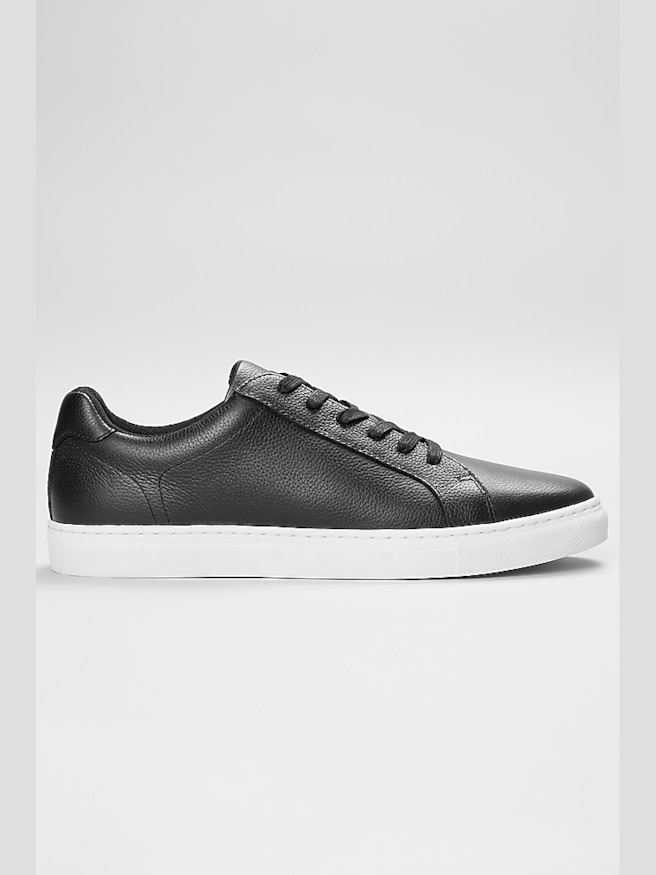
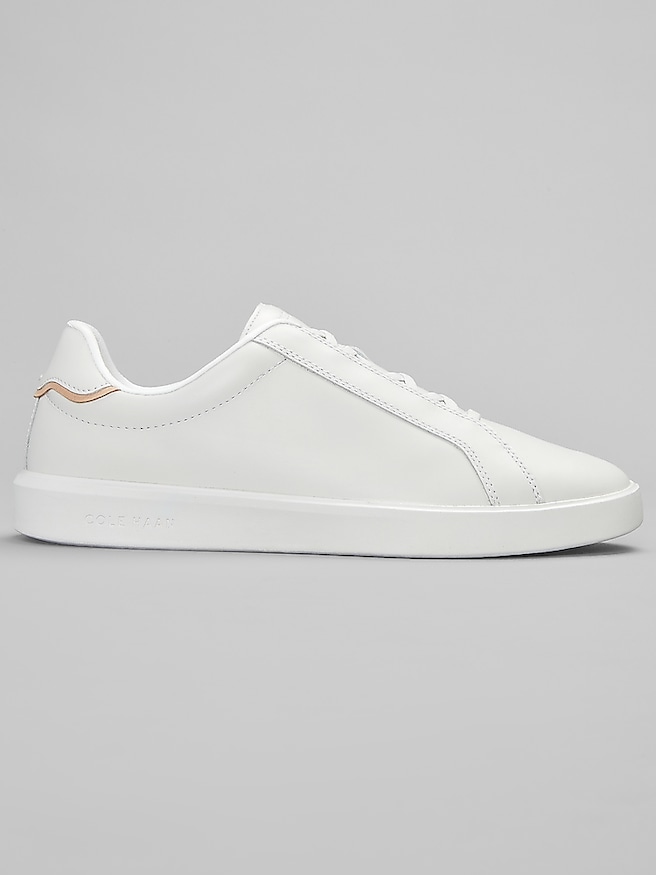
Easy slip-on shoes offer a straightforward way to get dressed without tying and retying laces. The category includes loafers, moccasin-inspired shapes, casual walking styles, and sneakers with flexible openings or stretch panels. What connects them is easy entry, although the way each shoe opens and holds the foot can vary considerably. A traditional loafer relies on its shape and fit to stay secure, while a stretchy casual shoe may use elastic around the instep. A true hands-free design needs a heel structure specifically built to accept the foot without being pulled into place; a shoe without laces is not automatically hands-free. That distinction matters when choosing footwear for a quick departure, an airport security line, or a daily routine that makes bending down inconvenient. Appearance matters, too. A smooth leather upper, a restrained profile, and a neatly finished sole give slip-ons a more polished character for an office, dinner reservation, or family gathering. Textured fabric and softer shapes tend to feel more relaxed with jeans, chinos, and casual pants. Dark brown, black, gray, and navy offer versatile starting points, while the shape of the toe and the thickness of the sole influence how dressy the finished outfit looks. A tapered loafer can sit neatly beneath tailored trousers, whereas a rounded sneaker shape generally works better with a casual hem. For a sportier interpretation, Slip On Sneakers combine lace-free convenience with the familiar look of everyday athletic footwear. These styles can suit commuting, travel days, neighborhood errands, and relaxed workplaces, depending on their construction and the dress expectations of the setting. Easy entry is the common benefit, but the best match also has to feel comfortable after the first few steps, look appropriate with the clothes beside it, and provide a secure base for the activities ahead.
Fit is especially important in easy slip-on shoes because there may be no laces to fine-tune the hold across the foot. The heel should feel secure without a hard edge pressing against it, and the toes need enough space to move without bumping the front. Repeated heel lift, toes gripping to keep the shoe in place, or pressure across the top of the foot can signal a mismatch in size, width, or shape. Stretch panels can make entry more forgiving, but they cannot reliably correct a shoe that is too narrow or too loose. Leather may soften with wear, yet a painful fit should not be treated as a necessary break-in stage. Trying shoes with the socks intended for everyday use gives a more useful impression than switching to a much thinner pair just to make the fit work. Low-cut socks can help maintain a clean line around the ankle while reducing direct contact between skin and the lining. Inside the shoe, cushioning, arch contour, and heel stability each contribute something distinct. A plush footbed can soften the initial feel underfoot, but softness alone does not establish support for a long walk or hours of standing. A stable base and a sole that bends near the ball of the foot may be more useful than a shoe that folds easily through the middle. Removable insoles can be helpful for someone who uses a compatible insert, provided the shoe has enough interior depth afterward. Underneath, outsole material and tread influence grip, flexibility, and wear. Rubber outsoles often provide useful traction, though performance depends on the surface and the particular construction; an everyday slip-on should not be assumed to meet workplace slip-resistance requirements. Likewise, a casual sneaker silhouette does not automatically make a shoe suitable for running or training. The right pairing of fit and intended use makes the convenience more meaningful, whether the day involves walking between meetings or spending several hours on foot.
Materials help determine how slip-ons feel, how they age, and how much attention they need between wears. Smooth leather brings structure and can develop character with regular use, while suede offers a soft, textured finish that calls for its own cleaning tools. Knit and woven fabric uppers may feel lighter and more flexible, with breathability depending on the weave, lining, and overall construction. Synthetic materials vary widely, so the interior finish, seams, and flexibility deserve as much attention as the material name. For durability, useful details include even stitching, neatly joined sole edges, and an opening that retains its shape after repeated use. The back of the shoe deserves particular care: unless the heel is designed for hands-free entry, repeatedly crushing it underfoot can damage its structure and affect the fit. A shoehorn can make a snug opening easier to manage without forcing the heel down. Routine care is usually simple but should follow the material-specific directions. Loose dirt can be brushed away before it settles into seams; smooth leather may benefit from an appropriate cleaner and conditioner, while suede needs a suitable brush and a light touch. Fabric shoes should only go into a washing machine when their care instructions explicitly allow it. Letting footwear dry naturally, away from direct heat, helps protect its shape and components. Giving a pair time to air out between wears and replacing worn insoles when appropriate can also keep everyday use more comfortable. As a gift, slip-ons can be a thoughtful choice for a father, brother, partner, or friend who values an uncomplicated routine, especially when the recipient’s size, width, and usual style are already known. A sleek shape suits someone who often wears tailored pants; a flexible casual profile fits a more relaxed wardrobe. Whether chosen for gifting or daily wear, easy slip-on shoes work best when convenience is matched by careful construction, a comfortable hold, and a look that fits naturally into the wearer’s day.