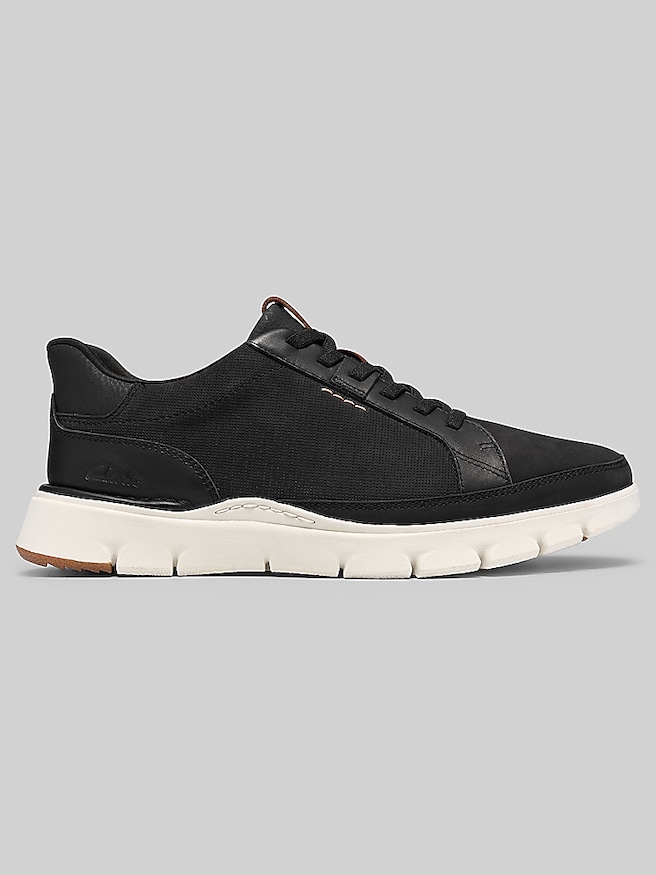
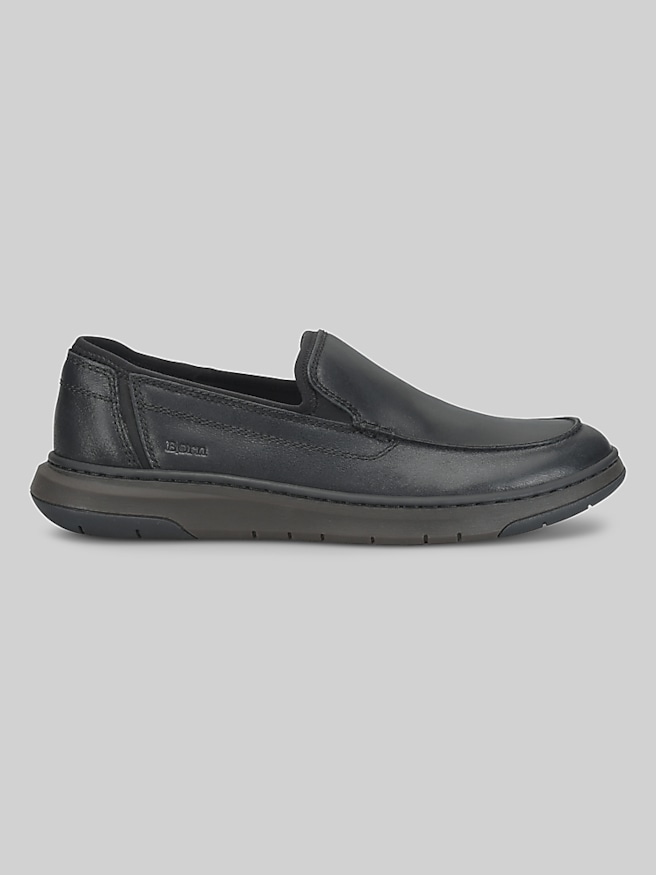
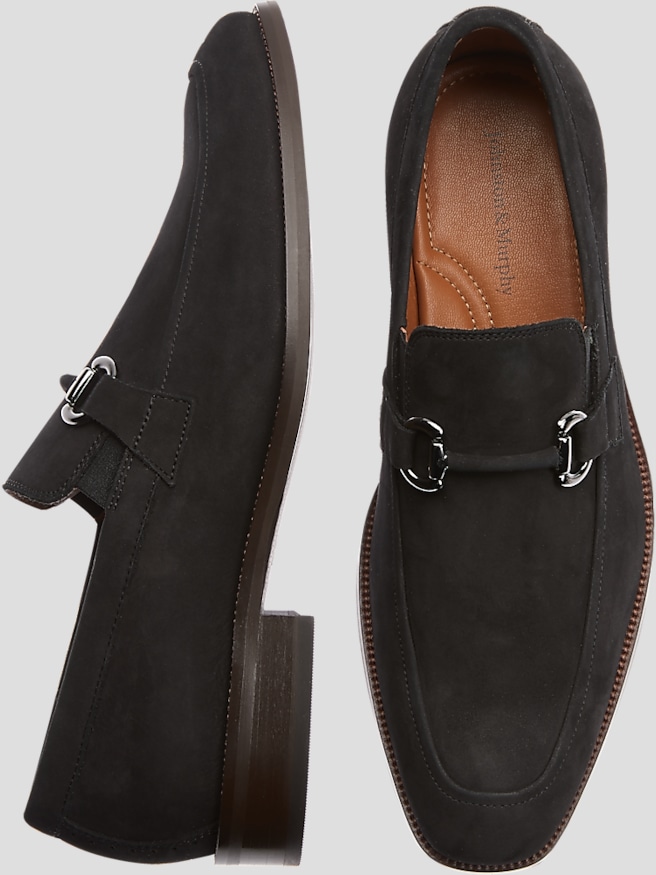
Soft leather shoes combine a supple upper with the familiar structure of everyday footwear, bringing an easy feel to looks that range from tailored trousers to dark denim. The term describes the feel and flexibility of the leather rather than a single shoe shape or construction method. Loafers, lace-up dress shoes, and leather sneakers can all have soft uppers, though their support, weight, and level of formality vary. Leather that bends readily across the forefoot can feel less restrictive as you walk, and it may gradually adapt to the contours of your feet. That flexibility does not guarantee cushioning or arch support; those qualities depend on the footbed, sole, and overall construction. Calfskin is often valued for its fine grain and balance of suppleness and strength, while sheepskin can have a particularly pliable feel. Full-grain leather retains the natural grain surface, but the designation alone does not establish how soft a shoe will feel. Thickness, tanning, finishing, and internal reinforcement also influence the result. A smooth finish lends itself to polished office outfits, while a softly textured surface brings a more relaxed character to chinos or denim. Subtle creases across the toe bend are a normal part of wearing leather and can give a well-kept pair a lived-in appearance without looking neglected. For someone moving between a desk, conference room, and dinner reservation, the appeal is footwear that looks considered without feeling unnecessarily rigid. A streamlined lace-up can complement a suit at a wedding or an important presentation; a simple loafer can finish an outfit built around pressed trousers and an open-collar shirt. Formality still comes from the complete design, including the toe shape, sole profile, stitching, and finish. Soft leather is a material characteristic, not a dress code, which makes it useful across a broad range of personal styles and daily routines.
Fit matters just as much as the softness you feel when pressing a thumb against the upper. A comfortable fit leaves room for the toes to rest naturally, holds the heel securely, and allows the widest part of the foot to sit within the widest part of the shoe. Leather may ease slightly with wear, but a pair that pinches at the toes or presses hard against the sides should not be expected to become the correct size. Trying shoes with the socks intended for regular wear gives a more useful impression than testing them with unusually thick or thin socks. Walking across a room can reveal pressure at the instep, rubbing around the collar, or a heel that lifts excessively. Lace-up designs allow some adjustment across the top of the foot, while slip-on shapes rely more heavily on the match between the shoe opening, instep, and heel. For an easy-on silhouette that works with chinos, tailored separates, or neat denim, Soft Leather Slip On Shoes offer another way to approach this supple material. Inside any style, smooth seams and a comfortable lining can matter during a full day of wear. Unlined leather may feel especially flexible, while a lining can add structure and create a smoother interior surface; neither approach is automatically more comfortable for every foot. Underfoot, cushioning can soften the feel of each step, but a plush insole is not the same as stable support. Sole flexibility should allow a natural bend near the ball of the foot without making the entire shoe feel unstable. Rubber soles can provide useful grip, depending on their tread and compound, while leather soles have a traditional dress-shoe appearance and a distinct feel underfoot. Someone who walks several blocks between appointments may value traction and cushioning more than someone choosing footwear mainly for seated occasions. The strongest choice balances the appearance the outfit needs with the way the wearer actually moves through the day.
Keeping soft leather shoes supple starts with gentle, consistent care rather than heavy applications of polish. For smooth finished leather, remove surface dust with a soft brush or clean cloth, then use a cleaner suitable for the finish when a simple wipe is not enough. Conditioner can help maintain flexibility, but the right formula and frequency depend on the leather and the maker’s care instructions. Applying too much can leave residue or alter the appearance, so a light application and a test on an inconspicuous area are sensible precautions. Suede and nubuck need their own brushes and care products rather than a routine intended for smooth leather. Polish can restore color and refine the appearance of suitable finished leather, although a high shine is not necessary for every style. Let shoes dry naturally if they become damp, keeping them away from radiators, hair dryers, and other direct heat sources that can stiffen or damage the material. Giving each pair time to air out between wears helps the interior dry, and properly sized shoe trees can help preserve the shape without overstretching the upper. A shoehorn protects the heel counter from being crushed when putting shoes on, an especially useful habit with easy-on designs. Durability depends on more than a soft touch: secure stitching, well-finished edges, a sound sole attachment, and reinforcement in high-stress areas all contribute to how footwear holds up. Softer leather can show scuffs and creasing, so a little routine attention often does more for its appearance than an occasional intensive cleaning. Some constructions allow professional resoling or other repairs, but that possibility depends on how the shoe is built. For gifting, soft leather footwear can be a thoughtful choice for a graduation, an anniversary, or the start of a new job when the recipient’s size, width, and preferred shape are known. Familiar details matter: a person who regularly wears lace-ups may appreciate adjustable fastening, while someone drawn to loafers may prefer a clean, uninterrupted silhouette. The lasting appeal is the combination of tactile comfort, adaptable styling, and a material that develops character through ordinary wear.