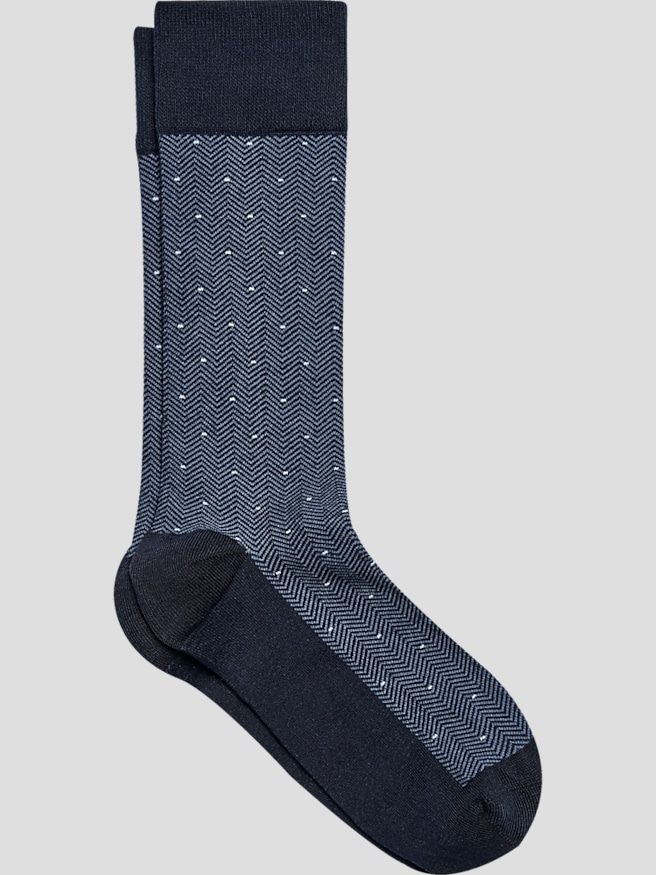
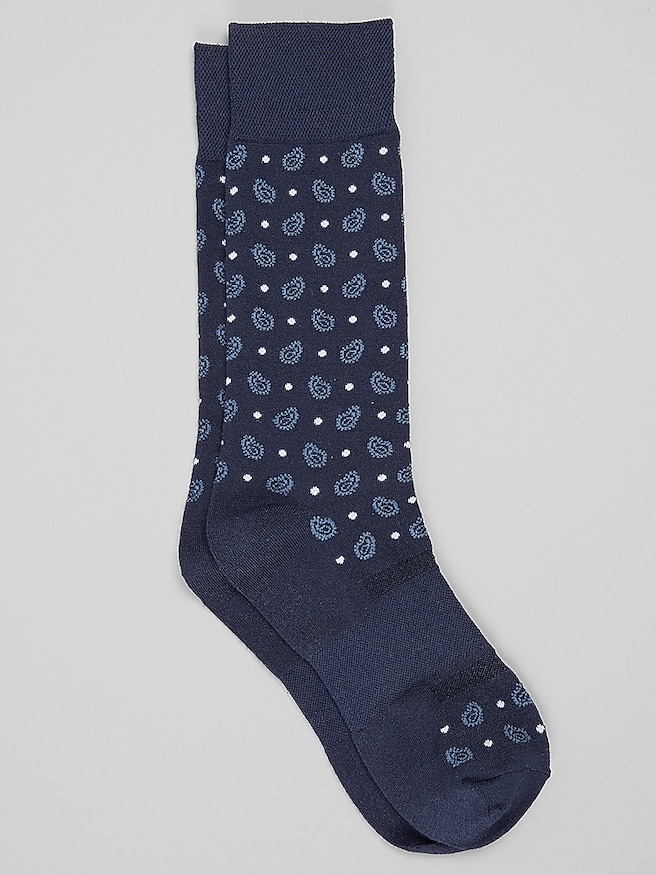
Soft dress socks add a smooth, comfortable layer between the foot and a dress shoe, with a refined appearance that works naturally beneath tailored trousers. Their appeal comes from more than a soft first touch: a good pair also needs a comfortable cuff, a close fit, and fabric that stays smooth through hours of sitting, standing, and walking. Cotton, combed cotton, pima cotton, bamboo-derived viscose, and fine merino wool can all contribute to a pleasant feel, though yarn quality and knit construction matter as much as the fiber name. Combed cotton has been processed to remove shorter fibers, creating smoother yarn, while pima cotton’s longer fibers can support softness and strength. Mercerized cotton undergoes a treatment that adds luster and can improve strength and dye uptake; its finished feel still depends on the yarn and fabric. Bamboo-derived viscose is often chosen for its smooth, fluid texture, but breathability and moisture performance depend on the full blend and construction rather than the fiber name alone. Fine merino wool offers another soft option, with moisture-management properties that can be useful during extended wear. The appeal of Cotton Blend Dress Socks is the combination of cotton’s familiar feel with other fibers that may contribute strength, stretch, or shape retention. Nylon can help reinforce areas exposed to friction, while a small amount of elastane or spandex helps the fabric stretch and recover. Neither a high cotton percentage nor an especially silky finish tells the whole story. Fine, even stitching, a smooth interior, and balanced elasticity help distinguish softness that feels comfortable inside a shoe from softness that is noticeable only when the fabric is touched. For everyday office wear, formal occasions, or an evening in dress shoes, these construction details can make a meaningful difference.
Fit determines whether that softness remains comfortable throughout the day. Dress socks should follow the shape of the foot without loose fabric collecting beneath the arch or pulling tightly across the toes. A heel pocket that sits in the right place helps keep the sock aligned, while a smooth toe seam reduces the chance of a raised ridge pressing against the foot inside a close-fitting shoe. Seamless or hand-linked toe construction may create a flatter finish, although the overall fit still matters. Shoe-size ranges are a useful starting point, and anyone near the edge of a range should also consider foot width and the amount of stretch in the fabric. A sock that feels comfortable in a roomy loafer may feel bulky in a more closely fitted oxford. Lightweight, fine-gauge knits generally suit streamlined dress shoes, while a little cushioning underfoot may appeal to someone who spends much of the workday standing. Added padding should not crowd the toe box or change the way the shoe fits. Length also affects comfort and appearance. Mid-calf styles offer familiar coverage, while over-the-calf socks extend higher on the leg and can help keep skin covered when trouser hems rise while seated. A cuff should hold securely without feeling restrictive; repeated slipping or deep pressure marks can signal a mismatch in size, shape, or construction. Visually, socks close to the trouser color create a continuous line from the leg to the shoe. Navy with navy trousers and charcoal with gray tailoring are dependable combinations for interviews, presentations, and formal dinners. Subtle ribs, small geometric patterns, or a restrained accent color can add interest without competing with a patterned shirt or tie. A flash of burgundy beneath a dark trouser cuff offers personality while remaining understated. For weddings and other dressed-up gatherings, a smooth, fine knit supports a polished appearance without distracting from the rest of the outfit.
Durability and care are part of lasting comfort, particularly for socks worn regularly with leather footwear. The heel, toe, and ball of the foot experience repeated friction, so reinforcement in those areas can help support everyday use without requiring a thick knit throughout. Stretch recovery matters as well: fabric that returns to shape after wear is less likely to gather in folds or leave the heel sitting out of position. Softness does not mean a sock has to feel fragile, but even a well-made pair benefits from care suited to its fiber blend. The care label should take priority, especially for wool or viscose blends that may need gentler handling. Turning socks inside out before washing can help limit abrasion on the outer surface, and a mesh laundry bag can keep pairs together while reducing snagging against zippers or fasteners. Gentle washing and lower drying heat, when permitted by the label, help protect elastic fibers and reduce unnecessary wear. Fabric softener is not essential to a soft feel and may leave residue, so the recommended detergent and care method are better starting points. Once clean and dry, laying pairs together rather than stretching one cuff over the other avoids keeping the elastic under tension in storage. Rotating several pairs also allows each pair to be washed and fully dried between wears. Soft dress socks make a practical gift for someone starting a first office job, preparing for a graduation ceremony, attending weddings, or refreshing a well-used professional wardrobe. Shoe size, preferred sock height, and usual trouser colors offer more useful direction than appearance alone. Someone who favors close-fitting dress shoes may appreciate a thin, smooth knit, while someone frequently on their feet may prefer light cushioning. Familiar colors and comfortable fabric blends make the gift easy to work into an established wardrobe, bringing a small but noticeable touch of comfort to getting dressed.