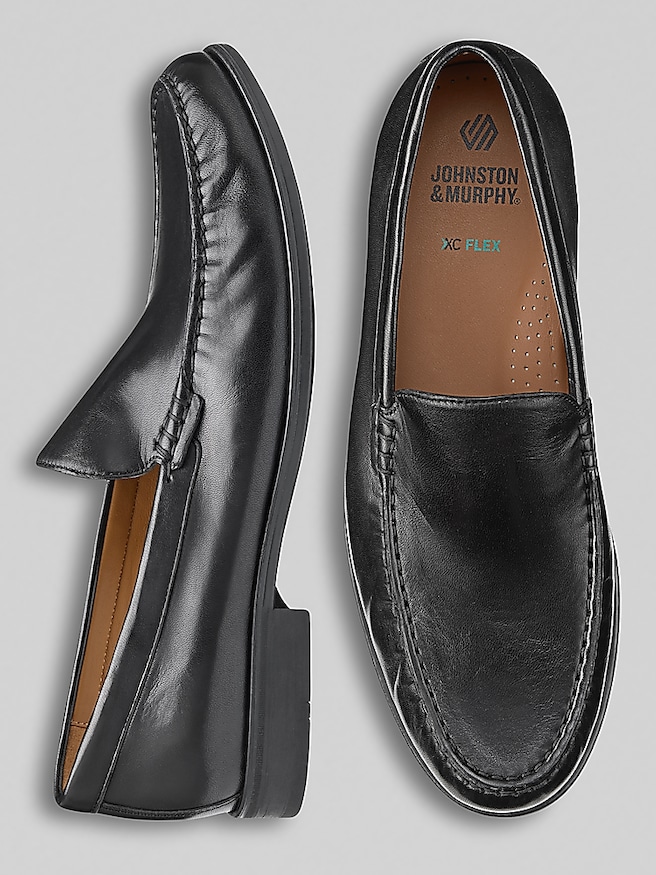
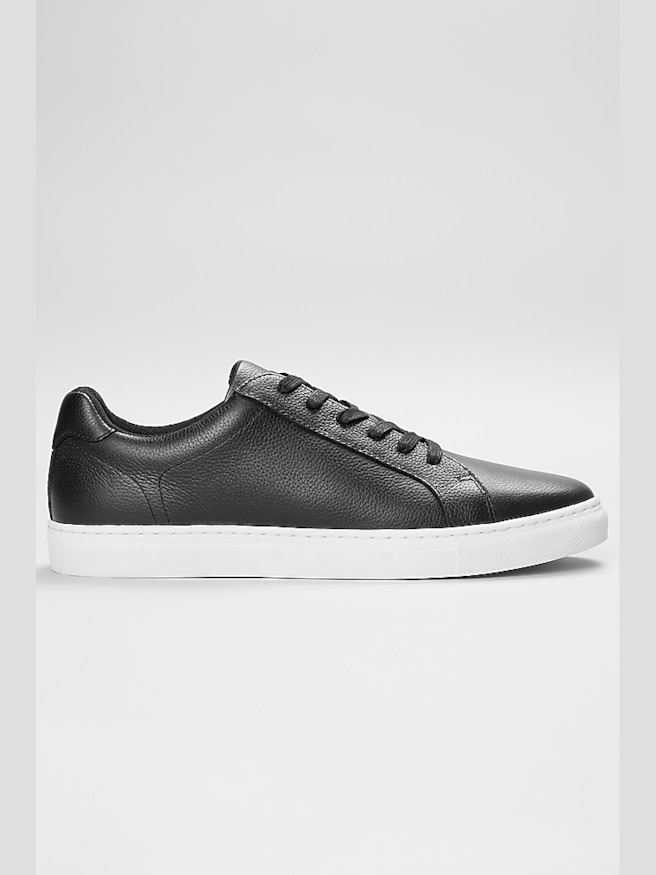
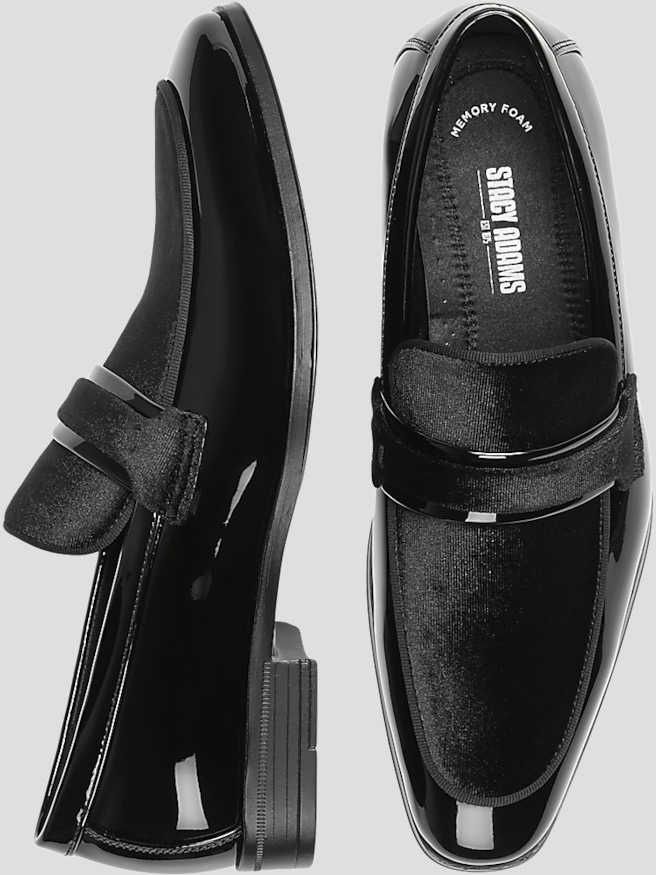
Slip-on shoes for airport travel combine easy entry with a secure heel fit, lightweight cushioning, and dependable traction for long walks between gates. The convenience goes beyond getting dressed quickly: an airport day can involve standing at check-in, crossing a sprawling concourse, sitting through a flight, and heading straight to a meeting or dinner after landing. Footwear that feels comfortable through those changes can make a carry-on wardrobe simpler, especially when one pair needs to work with several outfits. Closed-back loafers and slip-on sneakers offer distinct approaches to that balance. A streamlined loafer pairs naturally with chinos, tailored trousers, and an unstructured jacket, while a casual sneaker shape complements stretch pants, jeans, and relaxed layers. Leather uppers bring a polished appearance and can soften with wear, although their initial fit should still feel comfortable rather than restrictive. Suede provides a softer, textured look, with care requirements that deserve consideration before frequent trips. Knit and woven textile uppers can offer airflow and flexibility, while elastic inserts allow some movement across the top of the foot. Material alone does not determine comfort; interior seams, lining texture, sole construction, and the shape of the opening matter just as much. A smooth lining can reduce friction, and a well-shaped heel counter helps the shoe stay in place as the pace picks up. Although slip-ons can simplify removal when requested at screening, checkpoint instructions—not shoe style—determine whether footwear needs to come off. Their broader advantage is everyday convenience without laces to adjust or loose ends to tuck away. For a traveler carrying a garment bag in one hand and pulling a suitcase with the other, that uncomplicated design is especially useful. The most versatile choices look appropriate beyond the terminal, allowing the same footwear to move from a departure lounge to an office lobby without feeling out of place.
Fit becomes particularly important when shoes stay on through hours of walking and sitting. A comfortable airport slip-on holds the heel without pinching, leaves room for the toes to move naturally, and feels secure across the instep without a tight band of pressure. Excess space is not the same as comfort: a heel that lifts repeatedly can create rubbing, while a shoe that slides forward may encourage the toes to grip with every step. Elastic panels and stretch uppers can accommodate modest changes in foot volume during a long day, but they should not substitute for the right length and width. Feet may swell during flights, so a forgiving upper and sufficient forefoot room can be helpful without requiring an oversized fit. The socks intended for travel also affect how a shoe feels. A thin dress sock occupies less space than a cushioned casual sock, and either can help manage moisture and reduce friction when paired with a comfortable lining. Underfoot, cushioning softens contact with hard terminal floors, while a stable base helps keep each step controlled. A very soft footbed may feel inviting at first yet offer less structure than some travelers prefer for extended walking. Flexibility through the forefoot supports a natural stride; firmness around the heel can provide a more settled feel. Rubber outsoles with defined tread generally offer more useful traction than smooth soles, though grip depends on the surface and the outsole’s condition. Travelers who use orthotics may value removable footbeds, provided the shoe has enough interior depth to accommodate the insert without crowding the foot. Those who prioritize easier entry and less bending may also find relevant features in Slip On Shoes For Seniors, particularly secure openings and manageable closures. At any age, an easy-on design works best when the shoe remains securely positioned during turns, stairs, and the walk down an aircraft aisle.
Durability and care help determine how well travel footwear holds up beyond the first trip. Repeated walking, suitcase scuffs, and frequent changes of setting put stress on the sole edges, heel lining, and points where the upper joins the outsole. Even stitching, neatly finished seams, and reinforced high-contact areas are useful details, while a sole that bends comfortably without feeling flimsy offers a practical balance for regular use. Leather benefits from gentle cleaning and a suitable conditioner used according to the material’s care directions; suede generally needs a dedicated brush and products formulated for its nap. Textile uppers have their own cleaning requirements, and a fabric construction does not automatically mean a shoe is machine washable. Allowing footwear to dry naturally and air out between wears helps manage moisture inside the shoe. Direct heat can damage some materials and adhesives, so patient drying is preferable to placing footwear against a heat source. A shoehorn can help preserve the heel opening, particularly on structured slip-ons that are not designed for hands-free entry. For packing, shoe bags separate soles from clothing, and light support inside the toe helps maintain shape without overfilling a carry-on. Versatility also contributes to a shoe’s usefulness: understated colors, restrained detailing, and a balanced profile can coordinate with both casual travel clothes and more tailored outfits at the destination. A traveler attending a conference may favor a polished silhouette that works with trousers, while someone planning substantial sightseeing after arrival may place more emphasis on walking comfort and outsole grip. Slip-ons can also make a thoughtful gift for a frequent flyer, a graduate beginning business travel, or someone preparing for a milestone trip, especially when size and preferred fit are already known. Across these uses, the strongest combination is straightforward: easy entry, reliable fit, practical materials, and enough support for the journey beyond the gate.