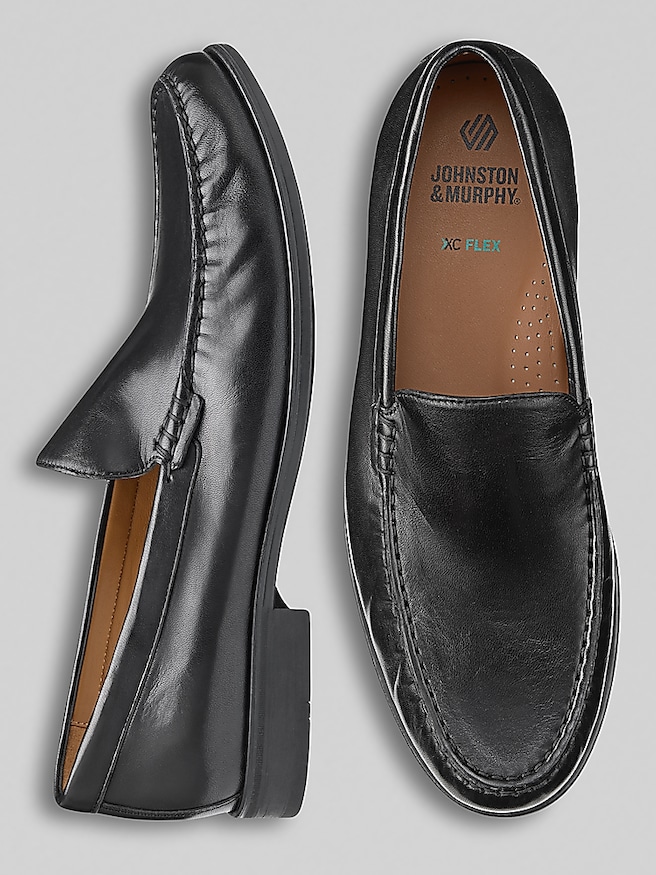
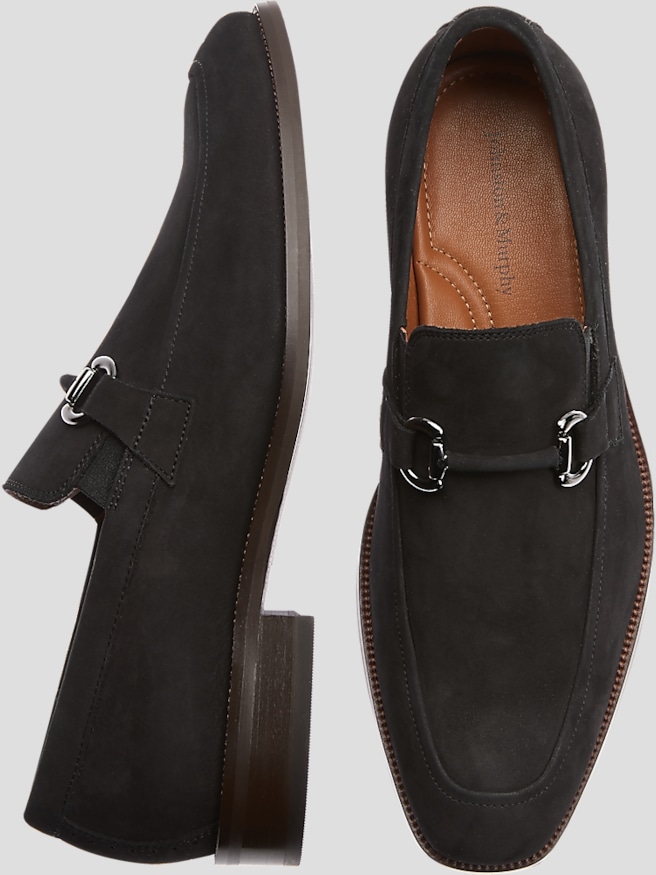
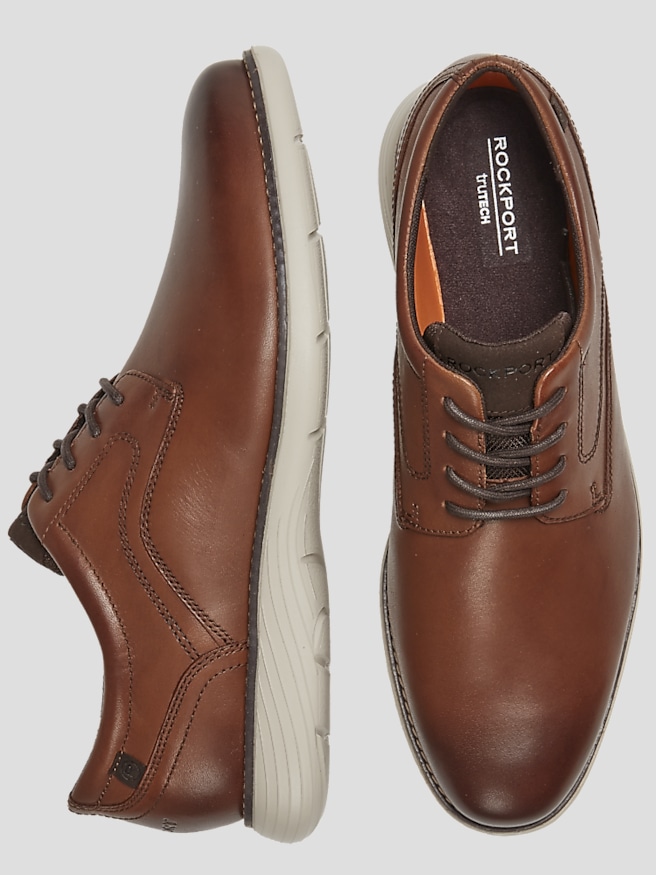
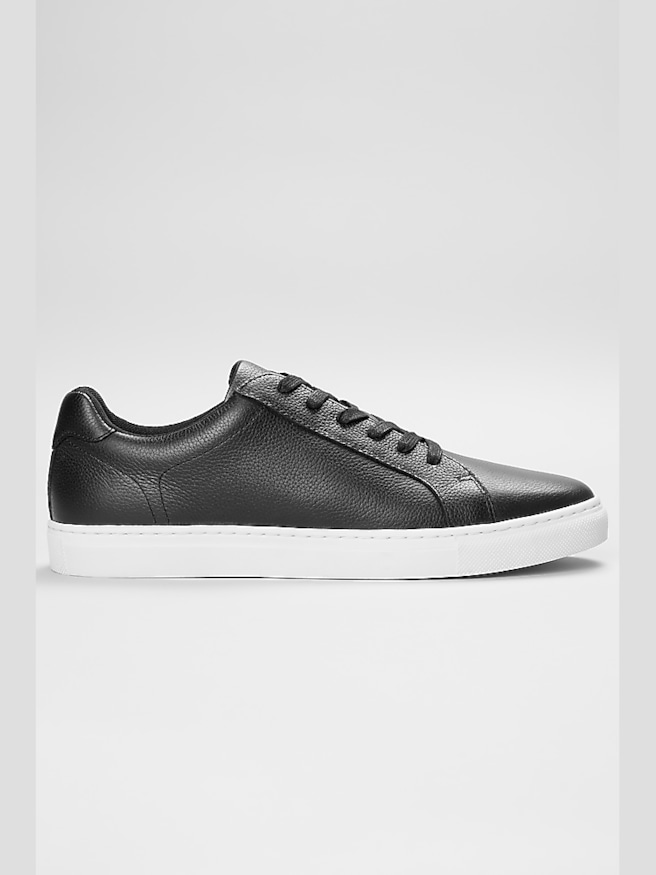
Slip-on shoes for seniors are designed to make everyday dressing simpler, more comfortable and more secure. With no laces to tie, buckles to fasten or complicated closures to manage, they can be a practical choice for anyone who finds bending, reaching or standing on one foot difficult. Many styles are made for hands-free entry, allowing the wearer to step in and go with minimal effort while still providing a more supportive fit than a soft house slipper. They can be useful for morning routines, quick trips to the mailbox, errands, appointments, visits with family and relaxed walks around the neighborhood. Slip-on shoes also make a thoughtful gift for a parent, grandparent or loved one who values independence but may appreciate footwear that reduces small daily frustrations. Look for a shoe that feels secure from the first step, with a heel that stays in place rather than folding beneath the foot and an upper that flexes comfortably without feeling loose. A cushioned footbed can soften the feel of hard floors and pavement, while a supportive sole may help make longer periods of standing more pleasant. For occasions that call for a polished appearance rather than an athletic profile, explore Comfortable Dress Shoes For Seniors for easy-wearing options that pair naturally with dress trousers, chinos and other smart casual clothing.
When choosing slip-on shoes for an older adult, start by considering where they will be worn most often. Indoor shoes may emphasize lightweight cushioning and a quiet, flexible sole, while shoes intended for outdoor use should have a durable outsole with visible tread for dependable traction on sidewalks, entryways and other everyday surfaces. A textured rubber sole can be especially helpful when pavement is damp or when floors are smooth after cleaning, although no footwear can eliminate every risk of slipping. A firm heel counter, or the structured section around the back of the foot, can help prevent the heel from shifting and may offer a steadier feel than a completely collapsible shoe. The opening should be easy to access, but not so generous that the foot slides forward. Stretch panels, flexible uppers and adjustable closures can accommodate natural changes in foot volume throughout the day, including mild swelling that may occur after extended sitting or standing. Seniors who experience bunions, hammertoes or other pressure-sensitive areas may prefer a rounded or wide toe box that allows the toes to spread without rubbing against seams. Wide and extra-wide sizes are worth considering when a standard fit feels tight, and trying shoes on later in the day can provide a more realistic fit because feet often expand as the day progresses. Comfort should feel even across the foot, with enough room to wiggle the toes and no pinching at the instep, heel or sides.
Support and stability are important details, particularly for people who spend much of the day on their feet or have a history of foot discomfort. A cushioned insole may help absorb impact, while moderate arch support can provide a more balanced feel during walking; the best amount of support is personal, and an overly rigid footbed can be just as distracting as one with too little structure. Removable insoles are useful for wearers who use custom orthotics or prefer to add their own inserts, provided the shoe still leaves sufficient room afterward. People managing diabetes, reduced sensation, neuropathy, plantar fasciitis or significant joint pain should choose footwear carefully and ask a qualified health professional for individualized advice, since comfort alone may not reveal pressure or fit concerns. Check that the shoe does not create hot spots, redness or rubbing after a short period of wear, and replace footwear when the tread becomes smooth, the cushioning feels compressed or the heel begins to collapse. During the cooler months, consider whether the shoes will be worn with thicker socks, since a comfortable summer-weight fit can become restrictive when paired with warm hosiery. At the same time, avoid choosing a size so large that the foot moves inside the shoe. A secure slip-on should feel easy to enter, stable while walking and comfortable enough for the unremarkable moments that make up a day: moving across the kitchen, stepping outside for fresh air, riding in the car or sharing a meal with friends. Throughout the season, simple details such as traction, a stable heel, a roomy toe area and dependable cushioning can make familiar routines feel easier and help the wearer move through them with confidence.