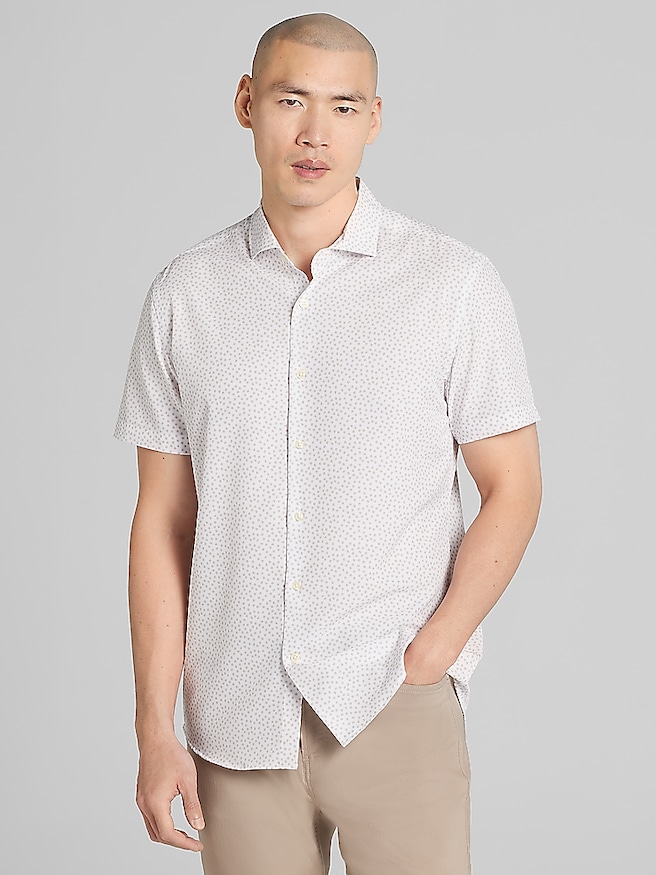
Slim fit business shirts bring a clean, shaped profile to professional dressing, with less excess fabric through the chest, waist, and sleeves than a traditional fuller cut. The effect is especially noticeable beneath a jacket: a shirt that follows the torso without pulling can sit smoothly at the front, keep the waist from bunching, and leave the lapels looking crisp. That makes this fit a useful choice for office days, client meetings, interviews, presentations, and business dinners where a polished appearance matters. Slim fit is about proportion rather than simply choosing a smaller size. A comfortable business shirt still needs enough room to reach across a conference table, type at a desk, or lift an arm without straining the buttons. The shoulder seams should sit close to the natural shoulder line, and the collar should fasten comfortably without pressing against the neck. Sleeves that finish near the wrist help maintain a neat outline and can show a small amount of cuff beneath a properly fitted jacket. Because slim cuts vary, neck and sleeve measurements are useful starting points, while the chest and waist determine how the shirt settles through the body. Someone with broader shoulders may need more room across the upper back even when a tapered waist is the goal. A smooth button placket, rather than gaps or horizontal tension lines, is a practical sign that the fit has enough ease. Shirt length matters, too: a business shirt intended to be tucked in needs sufficient coverage to stay anchored through sitting, standing, and walking. Collar shape adds another layer of character. A point collar creates a focused, traditional look, while a spread collar leaves more space for a tie knot. Worn open at the neck, either can support a business-casual outfit when the collar sits neatly instead of collapsing. The overall impression is deliberate but approachable—a shirt that looks ready for the meeting without feeling restrictive during the workday.
Fabric plays a large part in how a slim fit business shirt feels, moves, and holds its appearance between the commute and the last appointment. Cotton is a familiar choice for its breathable feel and the way it absorbs moisture, though the weave and fabric weight influence softness, opacity, and drape. A smooth poplin can deliver a crisp surface beneath a suit, while a fine twill often has a subtle diagonal texture and a slightly more substantial hand. Oxford-style textures bring additional visual depth and may suit offices where the dress code is less formal. Blended fabrics can offer a balance of softness, shape retention, and easier care, depending on their composition and finishing. A small amount of stretch may help a closely shaped shirt accommodate movement, but stretch does not replace a comfortable fit. Fabric that is pulled taut across the chest will still look strained, regardless of its fiber content. White and pale blue remain versatile foundations, while restrained stripes and small checks can add interest without distracting from the rest of an outfit. With lighter shades, fabric opacity is worth considering, particularly when a shirt will be worn without a jacket. Construction also affects day-to-day performance. Even stitching, firmly attached buttons, tidy seams, and stable collar and cuff edges contribute to a shirt that keeps its professional appearance through repeated wear. The collar and cuffs receive frequent handling, so giving those areas attention during laundering can help prevent soil from becoming embedded. Care should follow the garment label, especially for fabrics with stretch or easy-care finishes. Excessive dryer heat can contribute to shrinkage or wear, while prompt removal after drying helps limit set-in creases. When ironing is appropriate, working at the recommended temperature preserves the fabric and avoids damaging finishes. Hanging a clean shirt on a suitable hanger keeps the shoulders supported and makes the next workday easier to prepare for. Rotating shirts between wears also allows time for washing and recovery, rather than putting the same collar, cuffs, and seams through constant use.
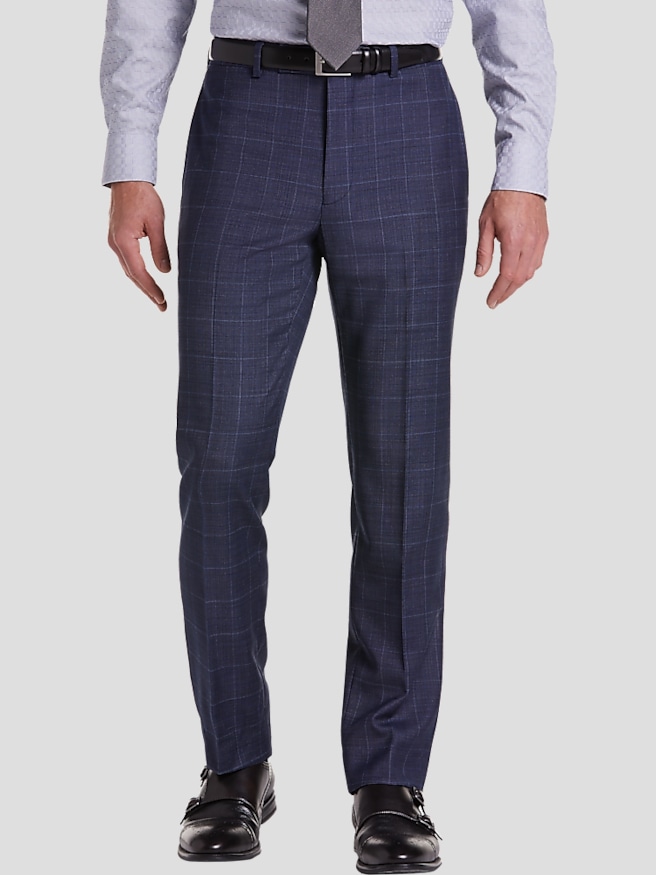
The appeal of slim fit business shirts extends beyond wearing them with a full suit. Their closer outline can work well with tailored separates, giving an outfit structure even when the jacket comes off. Pairing a shirt with slim fit business pants creates a coordinated silhouette, provided both pieces leave enough room for comfortable movement. A tucked shirt, a belt suited to the trousers, and clean dress shoes establish a dependable office combination without requiring elaborate styling. For a more formal setting, a solid shirt offers a quiet backdrop for a tie and jacket; in a business-casual environment, a subtle pattern can carry more of the outfit’s personality. Pattern scale matters when several pieces are involved. A fine stripe on the shirt generally creates less visual competition with a larger jacket pattern than two equally prominent designs worn together. Color contrast can also make an outfit feel more considered: a light shirt gives dark trousers clear definition, while softer combinations create a less pronounced contrast. Cuff details should reflect the occasion and the wearer’s routine. Button cuffs are straightforward for everyday work, while cuffs designed for cufflinks can bring a more formal finish to presentations, ceremonies, or important business events. These shirts can be useful for professionals building a first office wardrobe, experienced colleagues refining their everyday rotation, or anyone who prefers a closer fit beneath tailoring. They can also make a thoughtful gift for a graduation, a new job, or a career milestone when the recipient’s measurements and fit preferences are known. Neck size alone does not tell the whole story; sleeve length, shoulder room, and the preferred amount of ease all affect whether the shirt becomes a regular part of the wardrobe. The most useful choice is one that suits the recipient’s actual workday, from a tie-required office to a setting where an open collar is customary. Good proportions, appropriate fabric, and consistent care give a slim fit business shirt its lasting role: a polished foundation that supports the person wearing it rather than drawing attention away from the work at hand.