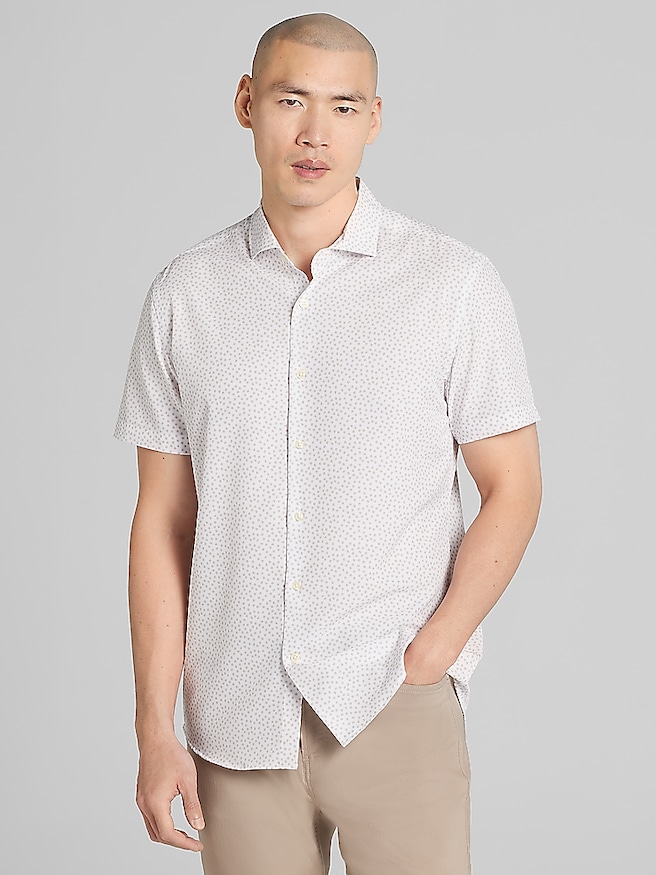
Men’s slim fit shirts have a closer shape through the chest, waist, and sleeves than traditional, fuller-cut shirts, creating a clean silhouette without excess fabric gathering at the sides. Slim fit describes the cut, not a requirement to have a particular body type, and it should never mean tight or restrictive. A well-fitting shirt follows the torso while leaving enough room to sit comfortably, reach across a desk, or put on a jacket without strain. Shoulder seams generally sit near the outer edge of the shoulders rather than dropping down the upper arms. Across the chest, the fabric should lie smoothly, with buttons resting flat and no gaps opening between them. At the waist, gentle shaping keeps the shirt neat when tucked into trousers, but pronounced horizontal pulling suggests that more room is needed. Sleeve width matters just as much as the body: a narrower sleeve can look polished beneath a suit jacket, provided there is comfortable space through the upper arm and elbow. Long sleeves should finish around the wrist, and cuffs should close comfortably without sliding far down the hand. For dress shirts worn with a tie, the collar needs to button without pinching the neck; collar and sleeve measurements can be more useful than relying on a letter size alone. Men with broader chests or shoulders may prefer a slim cut with stretch or slightly more room through the upper body, while a straighter build may suit more consistent shaping from chest to hem. Because slim fit is not standardized across all shirts, measurements and the proportions of each cut matter more than the label by itself. Shirt length also affects the finished look. Longer tails help a dress shirt stay tucked during a full day of meetings, while a shorter hem can work better for casual wear outside the waistband. The result should be a shirt that looks intentional both standing and seated, not one that feels comfortable only when perfectly still.
Fabric and construction give men’s slim fit shirts much of their character, from the crisp surface of a dress shirt to the softer texture of a casual button-down. Cotton is a familiar choice for its breathability, comfortable feel, and versatility, although the weave influences how a shirt drapes and wears. Poplin typically has a smooth, lightweight surface that works well with business tailoring, while twill has a subtle diagonal texture and often a slightly softer drape. Oxford cloth has a recognizable basket-weave texture that brings depth to a solid color and makes an easy connection between tailored trousers and more relaxed outfits. For that textured take on the same close-cut silhouette, Mens Slim Fit Oxford Shirts are a related category worth considering. Cotton blended with elastane or spandex can provide added give, especially through the shoulders and chest, though stretch does not replace proper sizing. Other blends may support shape retention or easier care, depending on their composition and finish. Wrinkle-resistant and non-iron treatments can help simplify preparation for a workday or a trip, but their care requirements still depend on the garment label. Collar construction changes the overall impression as well. A spread collar pairs naturally with a tie and tailored jacket, while a button-down collar offers a more relaxed finish that remains tidy when worn open at the neck. Solid shades create a quiet backdrop for patterned ties, and stripes or small checks add interest beneath a plain jacket without overwhelming the outfit. Slim fit polos and T-shirts carry the same closer-to-the-body idea into knit fabrics, where shoulder placement, sleeve length, and an easy drape remain important. Woven shirts offer more structure for interviews, presentations, and dressier dinners; casual button-downs and knit styles suit less formal offices, everyday plans, and gatherings where a full suit would feel unnecessary. The right choice depends on both the occasion and the level of structure that feels comfortable.
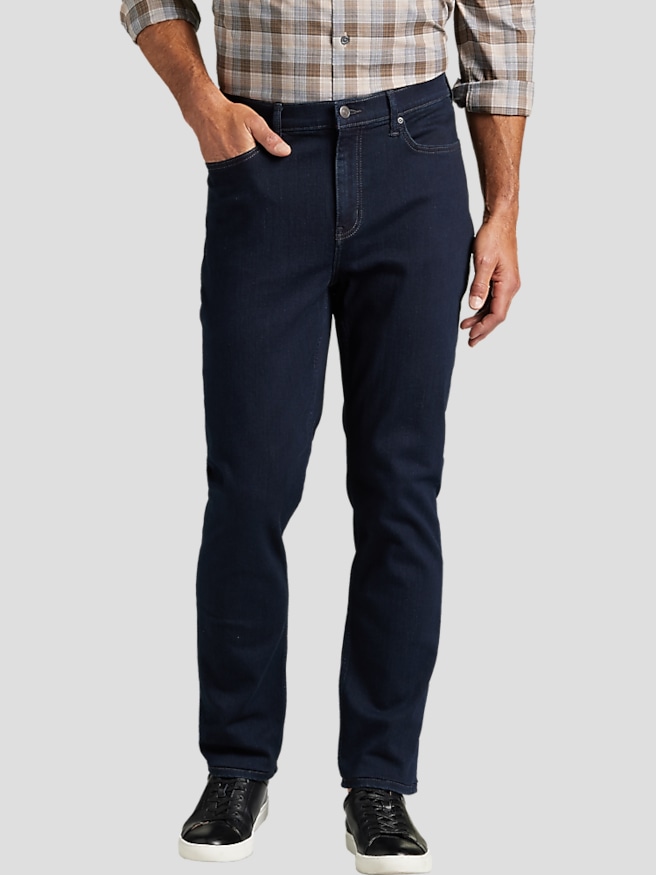
The appeal of a slim fit shirt is often clearest in the details of an outfit. Beneath a suit, less fabric at the waist can reduce bunching above the belt and help the jacket sit more smoothly. With chinos or dark denim, a neatly shaped shirt creates a finished look without requiring a tie. For a wedding guest, a business traveler, or someone moving between client meetings and dinner plans, that balance of polish and comfort makes fit especially important. A collar that stays comfortably in place, sleeves that allow natural movement, and a hem suited to the way the shirt will be worn are more useful than simply choosing the narrowest cut. Durability depends on fabric quality, construction, and care rather than fit alone. Even stitching, secure buttons, and neatly finished seams contribute to a shirt that holds up to repeated wear, while enough room through areas of movement helps avoid unnecessary stress on the fabric. Care labels provide the most reliable instructions for washing, drying, and ironing because cotton, stretch blends, and treated fabrics can have different needs. Excessive heat may cause shrinkage or affect elastic fibers, and leaving a shirt tightly packed after laundering can set creases that take more effort to remove. Promptly hanging or smoothing a shirt after washing, when consistent with its care instructions, helps maintain its shape. Collars and cuffs benefit from regular attention because they collect body oils and show wear sooner than less exposed areas. On shirts designed for removable collar stays, taking the stays out before laundering helps protect both the inserts and the fabric. Slim fit shirts can also make thoughtful gifts for a partner, father, brother, or friend who prefers a tailored silhouette. A familiar neck and sleeve size, a preferred fabric feel, and an understanding of whether the recipient usually tucks in a shirt make the choice more personal. Whether worn for a major occasion or an ordinary workday, a successful slim fit shirt brings together clean proportions, practical fabric, and enough ease to move through the day comfortably.