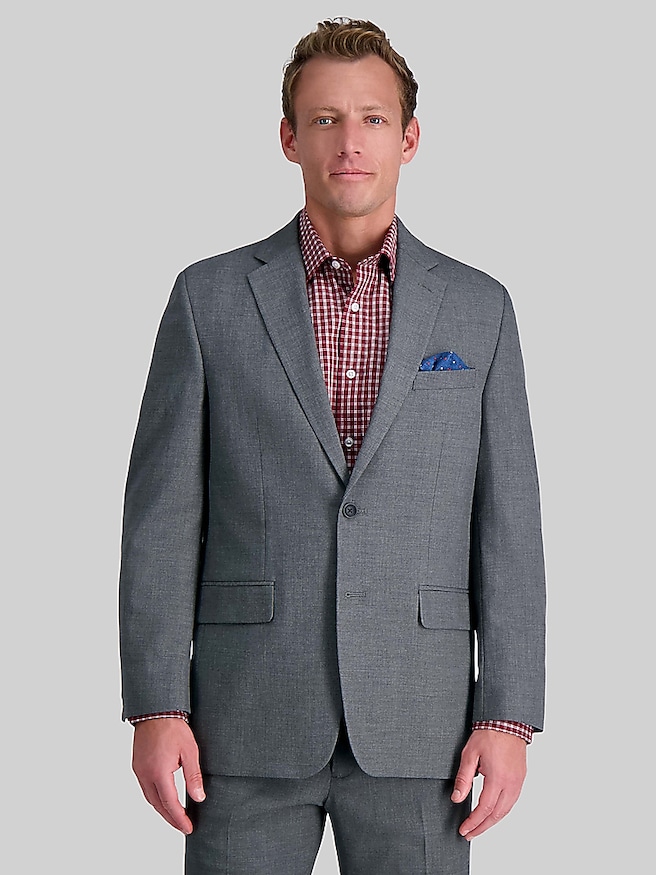
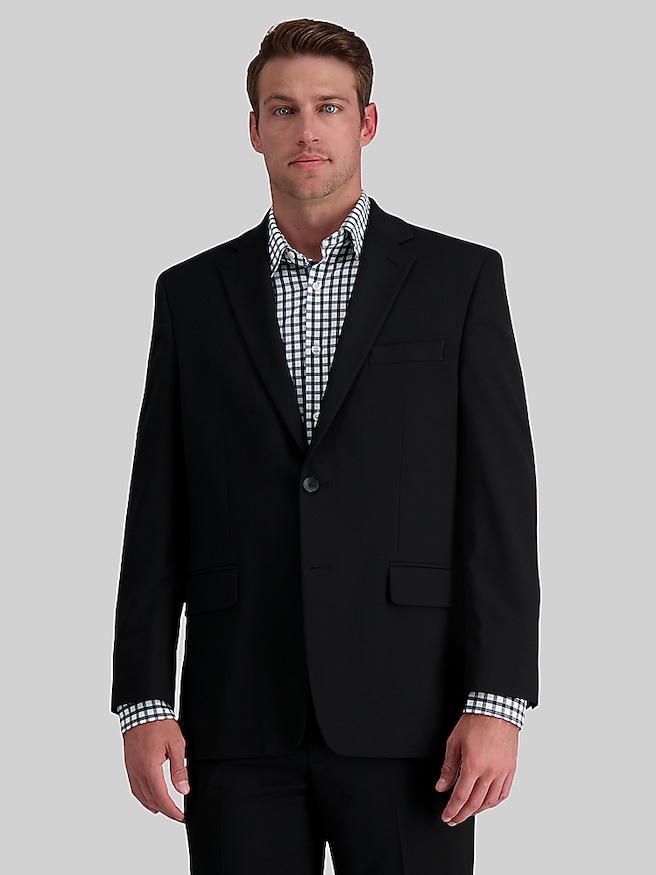
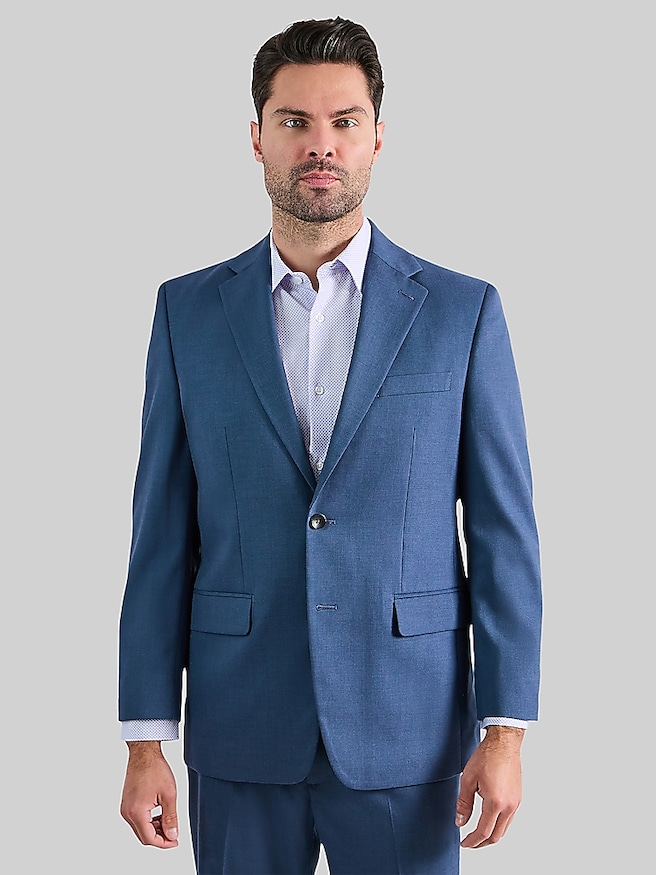
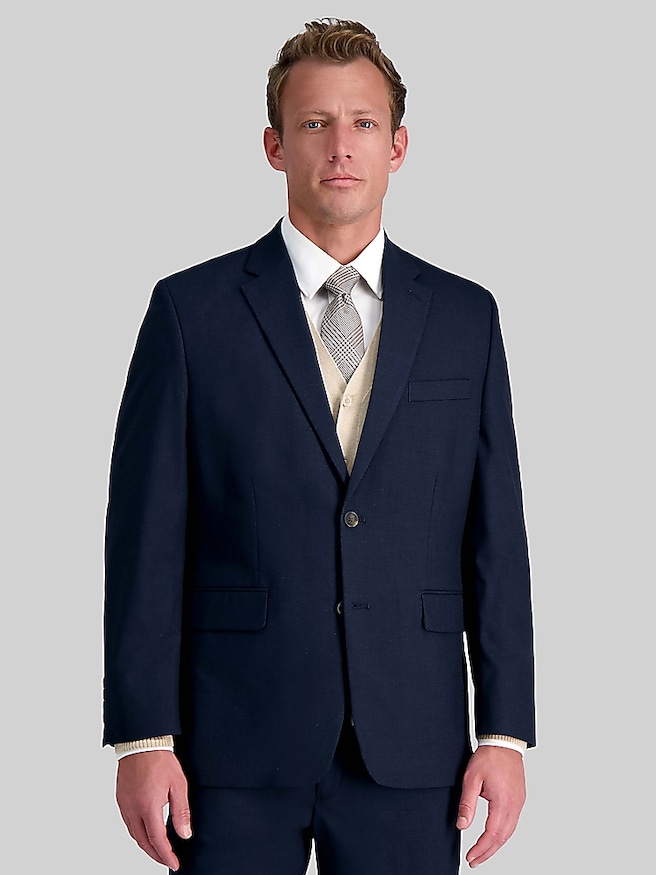
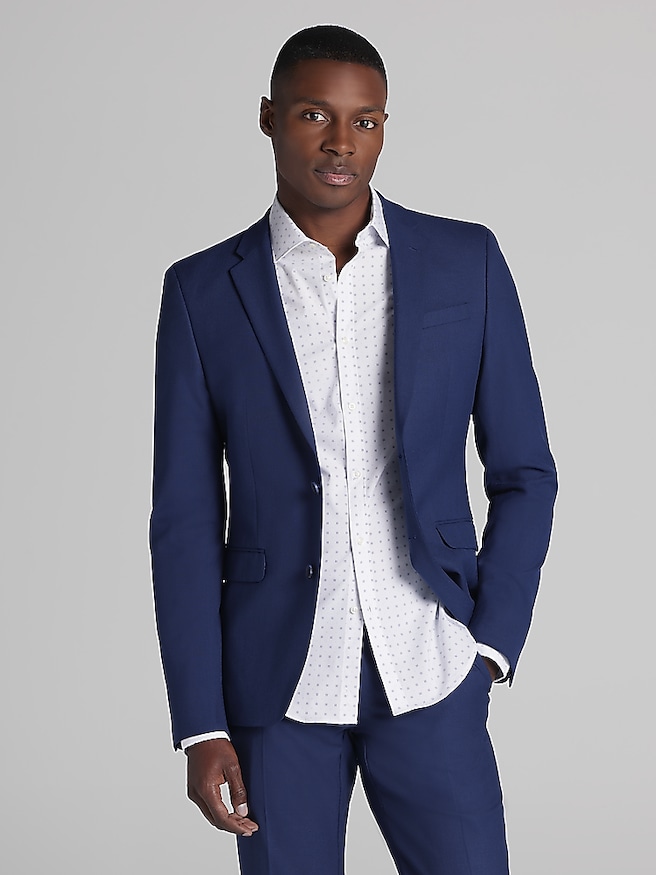
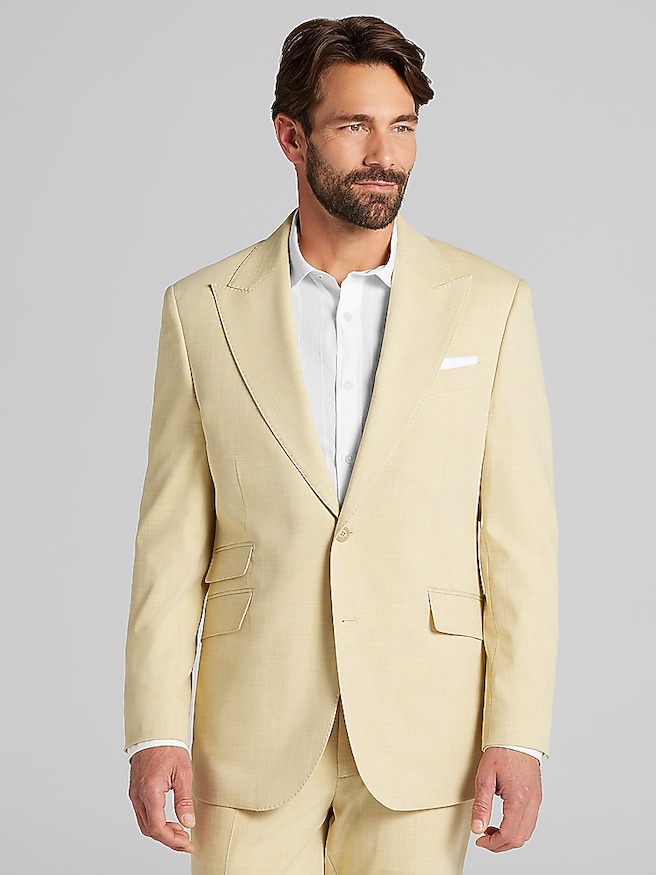
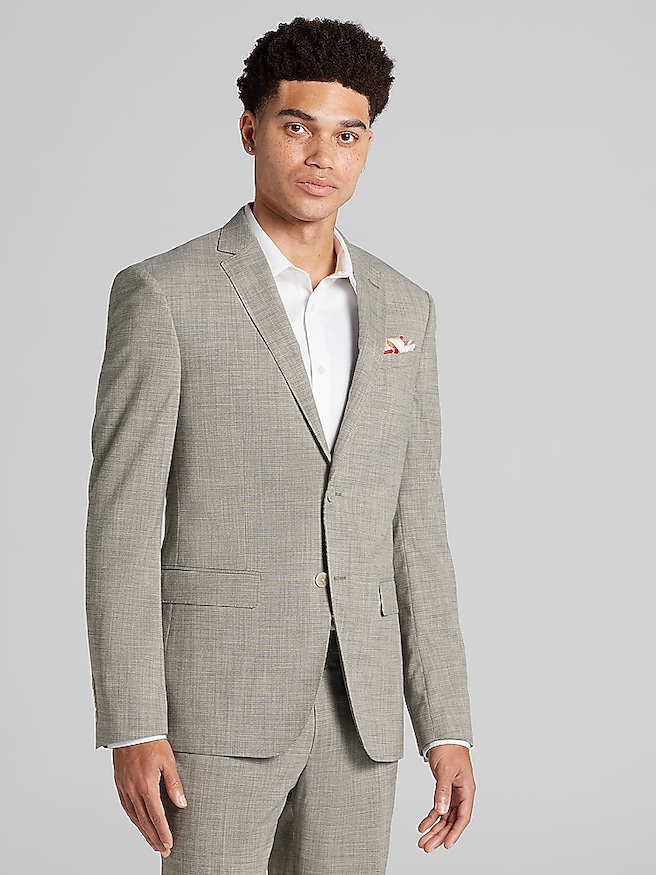
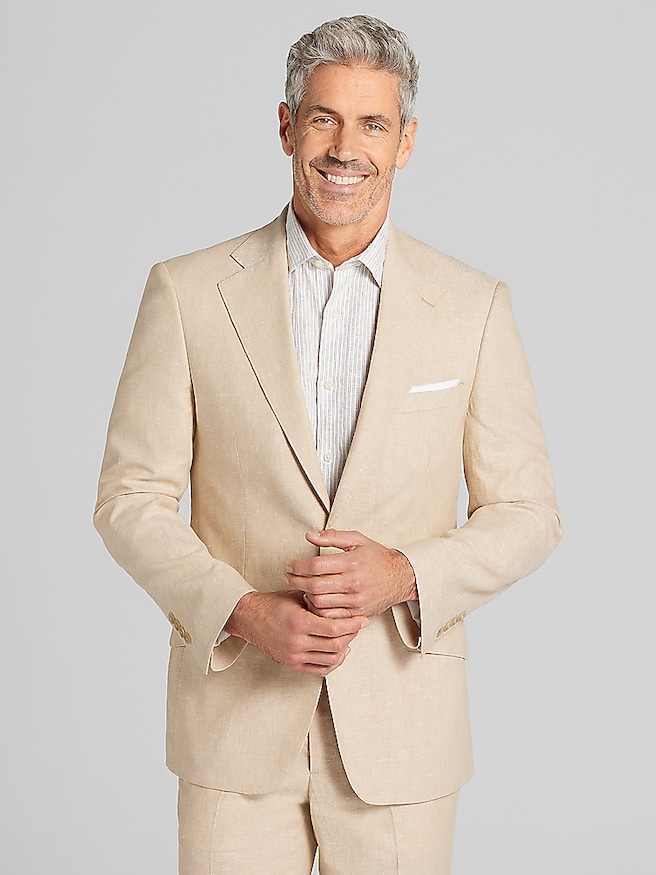
A size 36 suit is generally intended for a man with an actual chest measurement of about 36 inches, though the best fit depends on the cut of the jacket, the way it is constructed, and how much room you prefer through the chest and midsection. Many suit size systems use a six-inch drop, meaning a size 36 jacket is commonly paired with trousers around a 30-inch waist. That pairing is a useful starting point, not a substitute for checking measurements, especially when shopping for a complete suit. To measure the chest, keep the tape level across the fullest part of the chest and shoulder blades while wearing a light shirt, then allow it to rest comfortably rather than pulling it tight. Measure the waist where the trousers will sit, and consider the rise of the trousers as well; a pair worn closer to the natural waist may fit differently from one designed to sit lower on the hips. A jacket should lie smoothly across the shoulders, close without pulling at the button, and leave enough room to move naturally when reaching for a coat, greeting someone, or sitting through a long ceremony. The sleeves should show a small edge of shirt cuff, while the trouser hem should meet the shoe with a clean, controlled break. Since height and proportions vary, size 36 suits may be offered in Short, Regular, and Long lengths. Short is often a practical starting point for heights under approximately 5'7", Regular commonly suits men around 5'7" to 6'0", and Long is frequently considered for heights above approximately 6'1"; these ranges are only general references, so body proportions and personal preference matter. A man with a longer torso and shorter legs, for example, may need a different length than someone of the same height with a longer inseam. When comparing a size 36 suit with another size, remember that jacket size refers primarily to the chest, while trouser size and length should be evaluated separately for the most comfortable overall fit.
The right size 36 suit can serve as a dependable foundation for many occasions, from business meetings and professional presentations to weddings, dinners, graduations, and celebrations during the cooler months. A dark, understated color can move easily from the office to an evening event with a change of shirt and shoes, while a lighter or more textured fabric can bring a relaxed character to daytime gatherings and seasonal occasions. Consider how the suit will be worn before choosing the fit. A slim fit typically follows the body more closely through the chest, waist, and leg, creating a sharp, streamlined outline for someone who prefers a closer silhouette. A classic fit generally offers more room through the body and may feel especially comfortable for extended wear, travel, or a fuller frame. A modern fit can provide a balanced middle ground, pairing a cleaner shape with a little additional ease. Fabric and construction also influence comfort. Breathable materials can feel more comfortable in changing temperatures, while blends may offer practical wrinkle resistance for commutes, packed garment bags, and busy event schedules. Interior lining, stretch, and trouser waistband construction are small details that become noticeable after several hours of wear. Picture a suit hanging neatly beside a bedroom door on the morning of a wedding: the jacket should be easy to slip into, the trousers should sit securely without constant adjustment, and the overall outfit should look polished whether standing for photographs or seated at dinner. For a first suit, versatile colors and a simple pattern tend to offer more outfit possibilities. For a second or third suit, a subtle windowpane, texture, or seasonal shade can add variety while remaining appropriate for dressier settings. These suits can also make thoughtful gifts for a graduate beginning a professional wardrobe, a partner preparing for important celebrations, or a family member who needs reliable formalwear for ceremonies and milestone events. Because fit preferences differ, gifting is easiest when measurements, preferred length, and return options are considered in advance. If the chest measurement is closer to the next size range, comparing options such as a Size 39 Suit may help identify a more comfortable starting point.
Before placing an order, compare the listed jacket, trouser waist, inseam, and length details with a suit that already fits well, or have a tailor or experienced associate take measurements over a lightweight shirt. A familiar jacket can reveal useful information: check how its shoulder seam sits, measure from armpit to armpit across the front and double that number for an approximate chest measurement, and note whether the sleeves and body length feel balanced. Trouser measurements deserve equal attention, since the waist may be close to the labeled size while the seat, thigh, or rise feels noticeably different from one cut to another. Alterations can refine a good fit, particularly at the trouser hem, sleeve length, and waist, but they cannot easily correct shoulders that are too narrow or a jacket that is substantially too short. Leave enough time for tailoring when a suit is intended for a wedding, interview, formal dinner, or other meaningful occasion. During the cooler months, a suit may be worn with a fine-gauge sweater, wool overcoat, or layered shirt, so consider the clothing that will sit beneath or over it when selecting the fit. A jacket that feels perfect over a thin dress shirt may feel restrictive with an extra layer, while generous outerwear can overwhelm a very close-cut silhouette. Shoes also affect the finished appearance: polished leather styles create a traditional impression, while cleaner, understated footwear can make the same suit feel more contemporary when the dress code allows. Keep the suit on a broad hanger, allow it to air after wear, and follow the care label to help preserve its shape and finish. With accurate measurements, a suitable length, and a fit that matches the way it will be worn, a size 36 suit can become one of the most useful pieces in a man's wardrobe—ready for the first day of a new role, a family photograph, a formal evening, or the quiet confidence that comes from clothing that sits just right.