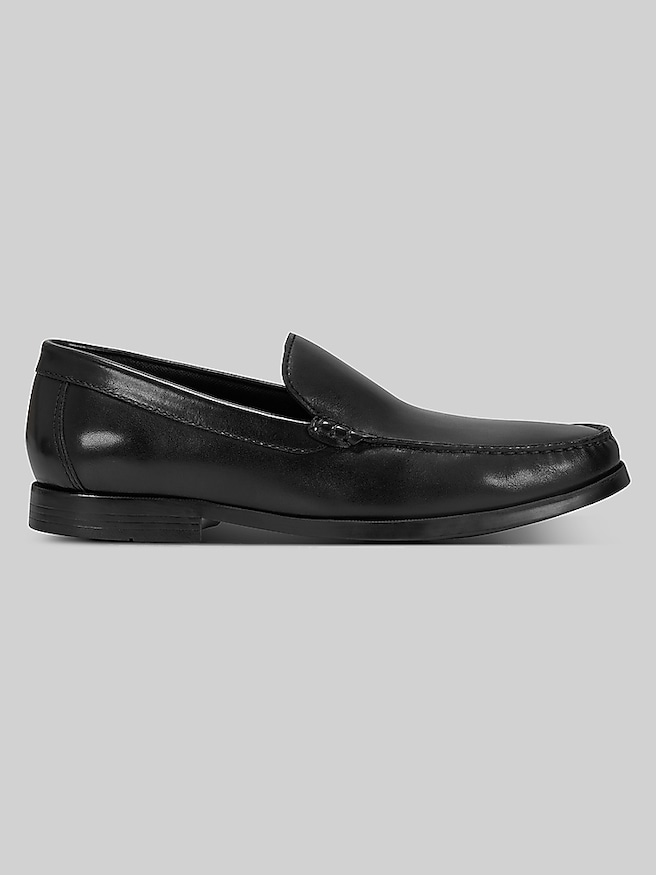
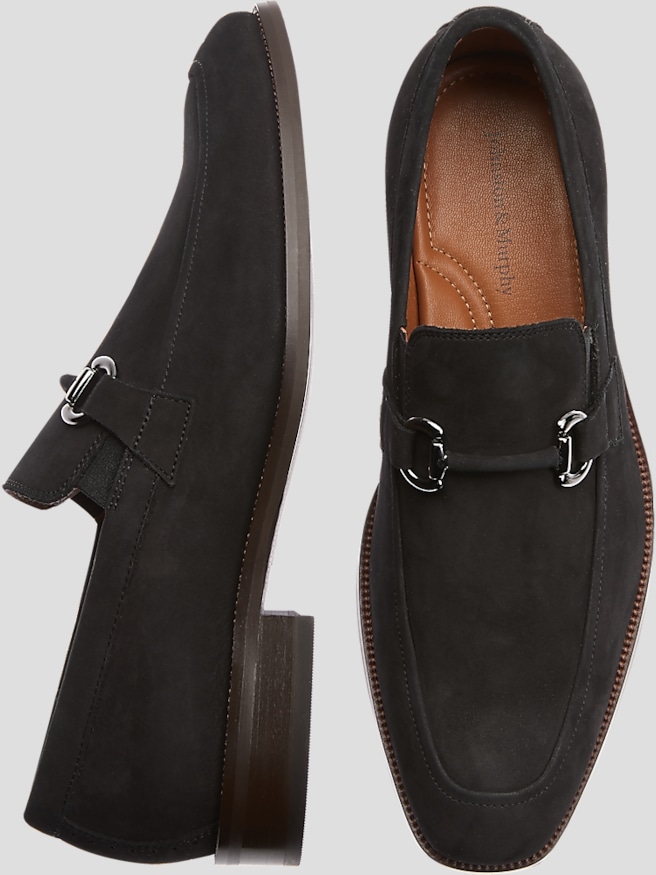
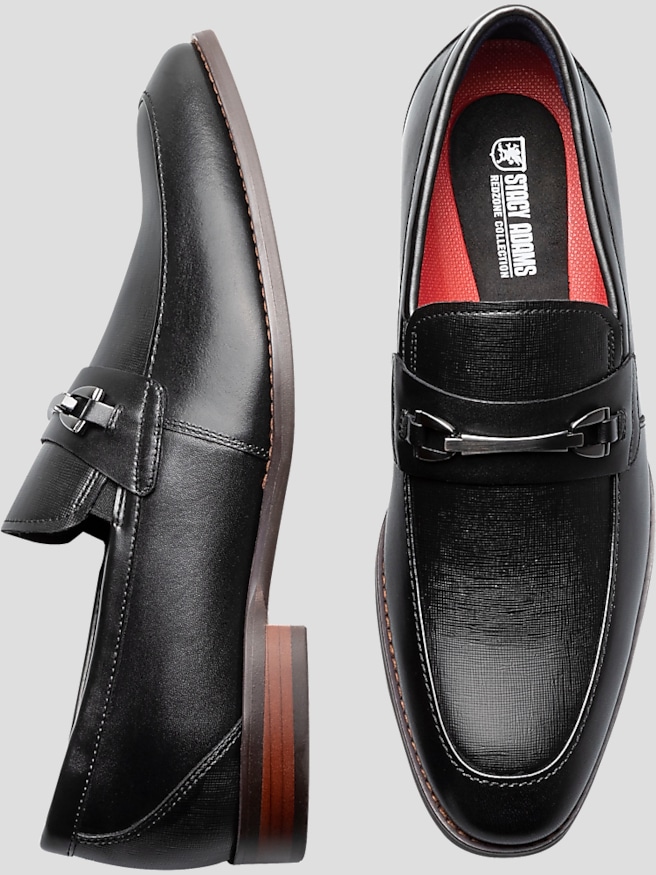
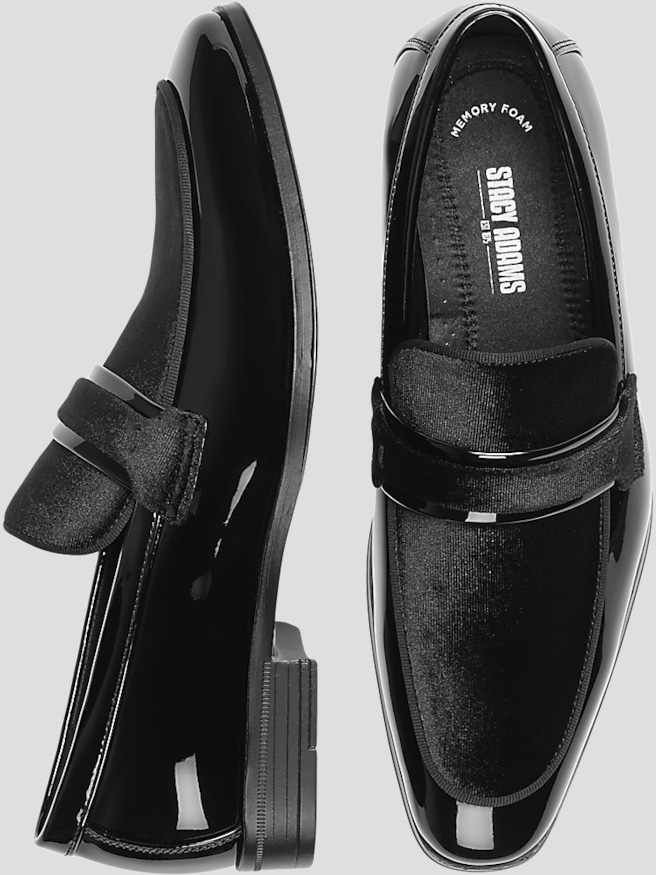
Size 13 loafers offer a polished, versatile foundation for a well-rounded men’s wardrobe, especially for anyone who wants the ease of a slip-on without giving up a dressed-up appearance. Loafers can bridge the space between formal and casual clothing with remarkable ease: wear them with a tailored suit for a wedding or business event, pair them with chinos and a button-down for the office, or style them with dark denim and a knit polo for dinners, travel, and relaxed gatherings. In a larger size, proportion matters as much as appearance. A clean, elongated shape can complement the natural lines of a size 13 foot, while a balanced toe profile helps the shoe look refined without feeling narrow or cramped. Traditional penny loafers bring a simple, timeless character, tassel details add a little movement and personality, and bit-style designs can create a sharper finish when the occasion calls for something more elevated. Leather is a dependable choice for year-round wear, developing a richer appearance as it is worn and cared for, while suede and fabric styles can offer a softer, more relaxed look. As the weather warms, a loafer can make an easy alternative to heavier lace-up shoes, and during the cooler months, it pairs naturally with wool trousers, textured socks, and layered tailoring. Neutral shades such as black, brown, tan, and burgundy are especially useful because they coordinate with much of a typical wardrobe, from navy suiting to gray trousers and khaki chinos. For someone building a work wardrobe, refreshing formalwear, or preparing for celebrations and special events, size 13 loafers can serve as a practical and thoughtful gift. They are also a useful choice for a graduate beginning a first professional role, a frequent traveler who values quick changes at airport security, or anyone who prefers an uncomplicated shoe for days that move from the office to an evening out.
The most important consideration when shopping for size 13 loafers is the fit, since a slip-on does not offer laces or straps to fine-tune the feel across the foot. A well-fitting pair should feel comfortably secure over the instep, with the heel staying in place as you walk, but it should never pinch across the toes or create pressure along the sides. A small amount of initial heel movement can be normal while the shoe settles, but repeated slipping often means the shape or size is not right. Try loafers on while standing, when feet are naturally at their largest, and wear the type of socks you expect to use most often. A thin dress sock will create a different fit from a cushioned crew sock, particularly through the instep and toe box. Width deserves equal attention to length. Standard-width styles may suit a traditionally proportioned foot, while wide-width options can provide more breathing room through the forefoot without requiring a longer size. Choosing a larger size to compensate for width can leave excess space behind the heel, so a dedicated wide fit is usually the better solution when available. Walk across a firm surface and pay attention to several areas: toes should move freely, the ball of the foot should rest at the shoe’s widest point, and the upper should hold the foot without pressing sharply into the skin. Insoles and cushioning can make long days more comfortable, particularly for commuting, standing at receptions, or walking through a busy airport, while a flexible, shock-absorbing outsole can soften each step. Construction also affects how a loafer feels over time. Smooth leather may feel structured at first and gradually mold to the foot, whereas softer materials can feel easy from the beginning but may require more protection from moisture and scuffing. For shoppers whose feet fall between standard sizing or who have a high instep, checking the available width, removable footbed, and retailer fit and return information can make the purchase more confident. If a larger size is needed for a different wearer, shoppers can also browse Size 14 Loafers for additional sizing options.
Loafers are at their best when they fit naturally into everyday routines, rather than being reserved for one narrow type of event. Keep a pair near the entryway for mornings when there is no time to fuss with laces, or pack them for a trip when one shoe needs to work with several outfits. A dark leather loafer can accompany a charcoal suit, navy trousers, and dress slacks, while a lighter brown or suede finish can add warmth to denim, olive chinos, and textured separates. For a business-casual setting, the simplest combinations often look the most intentional: a pressed shirt, tapered trousers, and a clean loafer create a finished appearance without seeming overly formal. At a ceremony or evening reception, polished loafers can bring a sleek line to a suit, especially when the trouser hem rests neatly above the shoe without pooling at the ankle. During transitional weather, socks can change the character of the outfit as well as the comfort of the shoe; fine dress socks maintain a streamlined appearance, while subtly textured socks add depth to casual looks. Caring for loafers helps protect both their appearance and their fit. Allow them to air out between wears, use a shoe tree for leather styles when possible, and brush away dust before applying an appropriate conditioner or protective treatment. Suede benefits from a dedicated brush and water-repellent spray, while fabric uppers should be cleaned according to their care instructions rather than saturated. Rotating between pairs gives the interior time to dry and helps preserve the shape, which is particularly helpful for shoes worn through long commutes and full days on the move. The right size 13 loafers should feel secure when stepping onto a polished floor, comfortable during a walk across town, and polished enough to make a strong first impression at the end of the day.