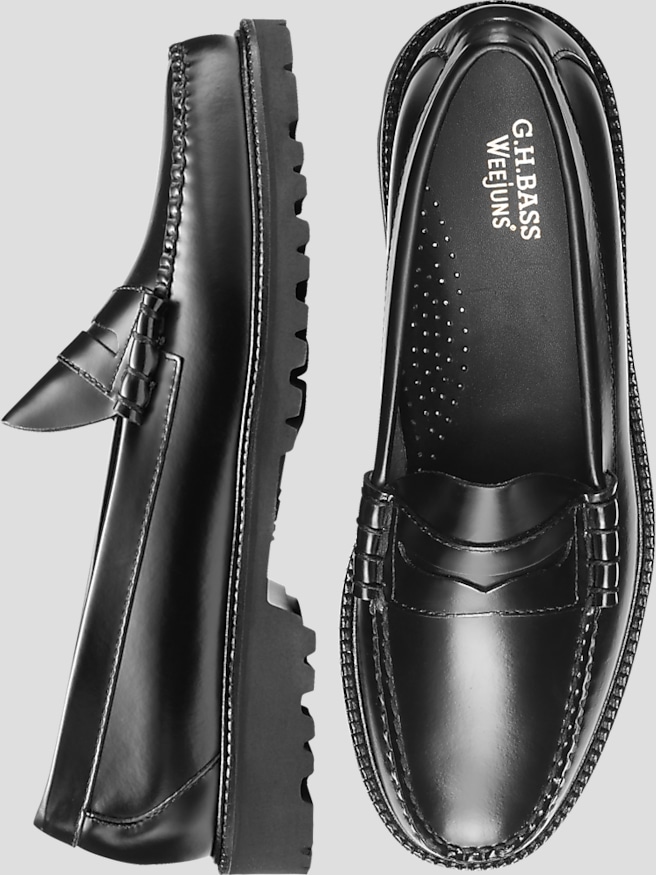
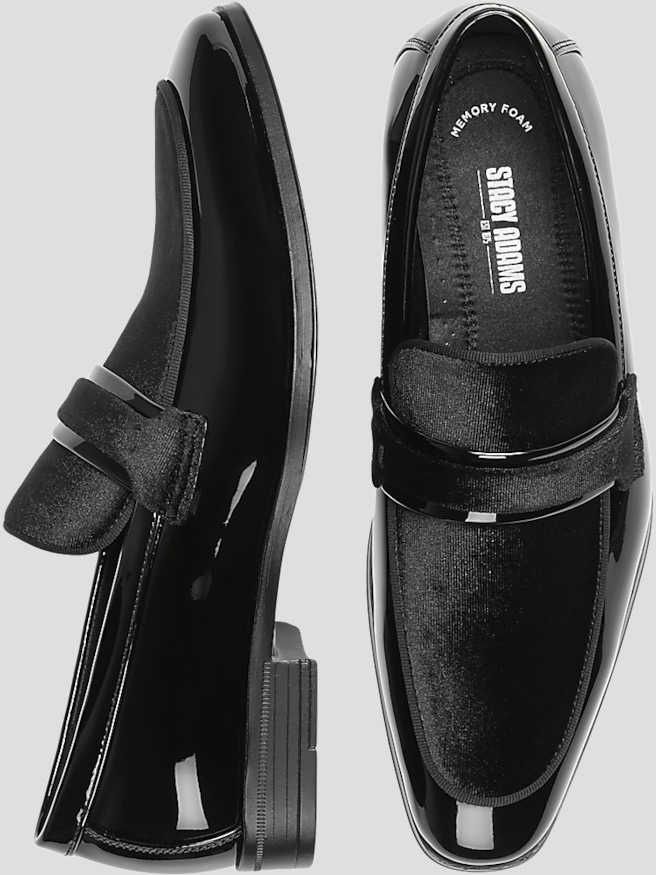
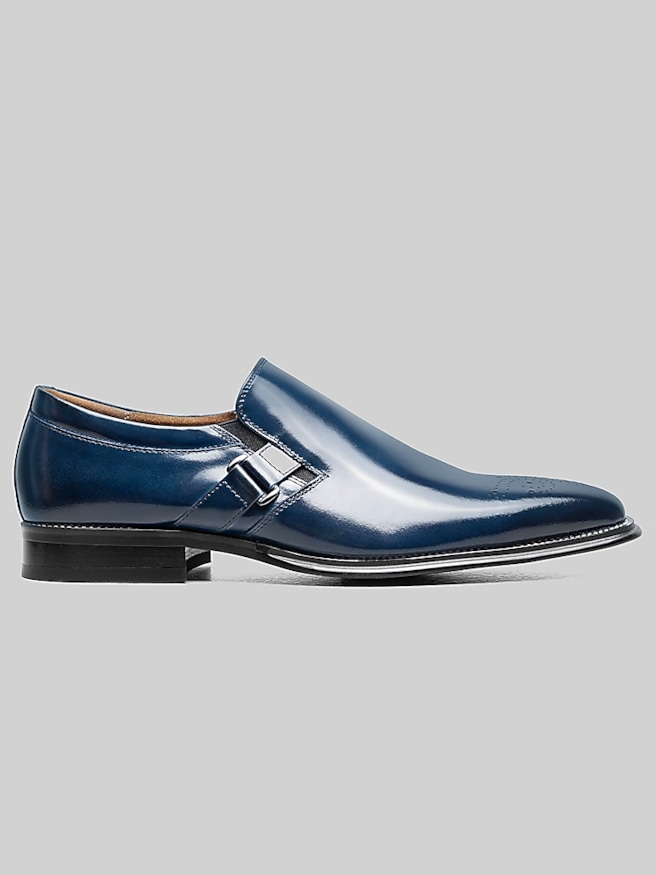
Men's size 13 loafers are slip-on shoes sized for a U.S. men's 13, with styles ranging from classic penny loafers to tassel and metal-bit designs. Their appeal is straightforward: a clean profile without laces, enough versatility to pair with several kinds of trousers, and details that can make an outfit feel relaxed or more dressed up. Penny loafers have a slotted strap across the upper and an understated look that works with chinos, dress pants, and dark denim. Tassel loafers add movement and a more decorative finish, while a metal bit introduces a distinct accent across the vamp. The shape of the toe matters as much as the ornamentation. A rounded or softly tapered toe creates a balanced outline, while an elongated shape makes a stronger visual statement, especially in a larger shoe size. Smooth leather generally offers the most polished appearance and can develop character with regular care. Suede has a textured surface that pairs naturally with cotton trousers, knitwear, and less structured tailoring. The lining and sole also influence how a loafer feels and where it fits into a wardrobe. Leather linings can feel smooth against the foot, while cushioning may soften the sensation underfoot; neither replaces the need for the right size and shape. Leather soles tend to look sleek, while rubber soles can add flexibility and grip, depending on their thickness and tread. A slim sole keeps the emphasis on the upper and works well with tailored clothing. A more substantial sole gives the shoe a stronger presence with heavier denim or fuller-cut trousers. For someone moving between a desk, a client lunch, and dinner afterward, a restrained loafer can bridge those settings without looking overly casual. For wedding guests or special gatherings, polished leather loafers can complement suitable dress trousers or a suit when the dress code permits. Their versatility comes from the combination of material, construction, and styling—not simply from being slip-on shoes.
Fit deserves particular attention with men's size 13 loafers because there are no laces to tighten when the shoe feels loose. The upper needs to hold the foot securely across the instep without pressing sharply or creating numbness. A comfortable fit leaves the toes room to rest naturally rather than bunching together, and the widest part of the foot should sit near the widest part of the shoe. Extra space beyond the toes does not automatically mean a shoe is too large; toe shape can add length that is part of the design. More useful signs are whether the foot slides forward, the heel repeatedly lifts out, or the upper digs into the instep. A small amount of heel movement can occur in a new loafer, but substantial slipping should not be dismissed as something that will resolve with wear. Likewise, leather may soften, but a shoe that squeezes the toes or causes pain is not a good candidate for a break-in period. Size 13 describes length within a sizing system, not a universal fit across every shape and construction. Width, instep height, toe-box volume, and heel shape all affect comfort. A longer size is not a reliable substitute for the width a foot needs. Trying loafers with the socks intended for everyday wear gives a more realistic impression of the fit, whether that means thin dress socks or low-profile socks concealed below the opening. Both feet should feel comfortable while standing and walking, including through turns and on stairs. For long stretches on foot, underfoot cushioning, flexibility at the ball of the foot, and a stable heel become especially relevant. The finished outfit benefits from a little attention as well: trousers with a clean hem let the loafer's shape show, while excess fabric pooling over the shoe can hide its defining details. Black leather offers a crisp pairing with charcoal or black trousers, while brown shades work naturally with navy, tan, and many denim washes.
Care helps preserve both the appearance and useful life of size 13 loafers, particularly when they become a regular part of the weekly rotation. Smooth leather benefits from gentle cleaning to remove surface dust, followed by a conditioner appropriate for the finish when needed. Polish can restore color and shine, but the product should suit the leather rather than being applied indiscriminately to every upper. Suede needs a different approach: a suede brush helps lift the nap and remove loose dirt without flattening its texture. Testing any cleaner or protective treatment on an inconspicuous area reduces the chance of an unexpected change in color. Loafers should dry naturally after exposure to moisture, away from direct heat that can stiffen or damage the upper. Giving shoes time between wears allows the lining to dry, and properly sized shoe trees can help maintain their shape. A shoehorn protects the heel counter from being crushed when slipping them on, a small habit that matters with a design worn without opening laces. Durability also depends on construction and use. Stitching, the connection between the upper and sole, and wear at the heel are worth noticing over time; some constructions allow resoling, while others do not. Frequent walking on abrasive surfaces places different demands on a sole than primarily wearing loafers indoors. Matching the construction to the intended routine can be more useful than choosing by appearance alone. As a gift, loafers make the most sense when the recipient's usual size, width, and preferred style are known. A familiar size 13 label is a starting point, but it cannot account for every difference in fit. If another recipient wears a smaller size, explore men's size 9.5 loafers rather than estimating shoe size from height or build. Whether chosen for an established work wardrobe or a first pair of dressier slip-ons, a well-fitting loafer should feel secure, suit the wearer's routine, and look at home with the clothes already in rotation.